Bus Stop Bus

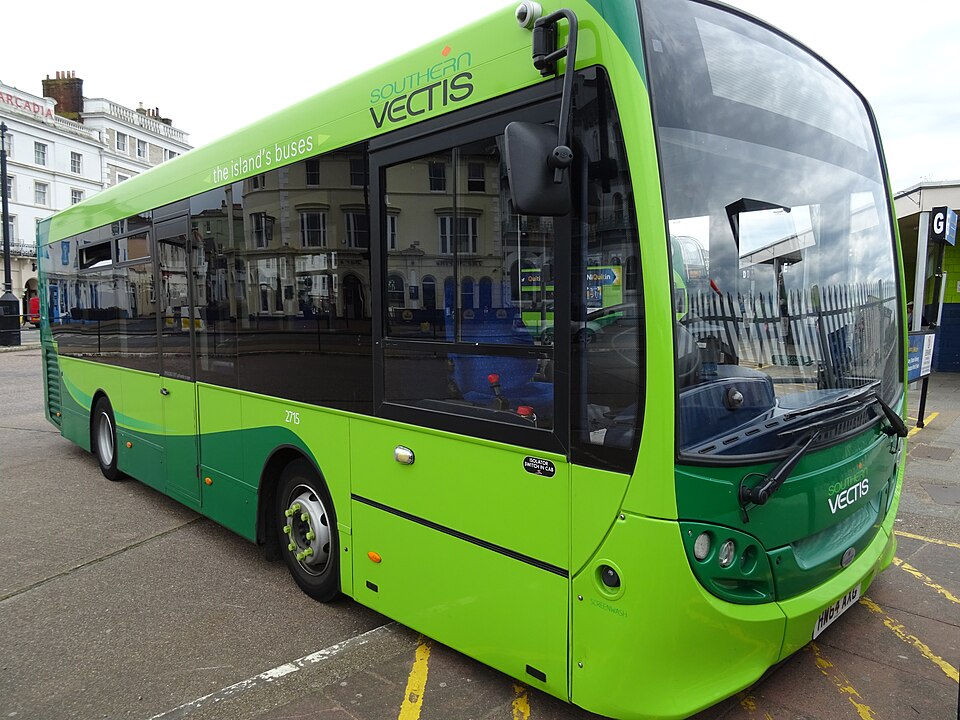
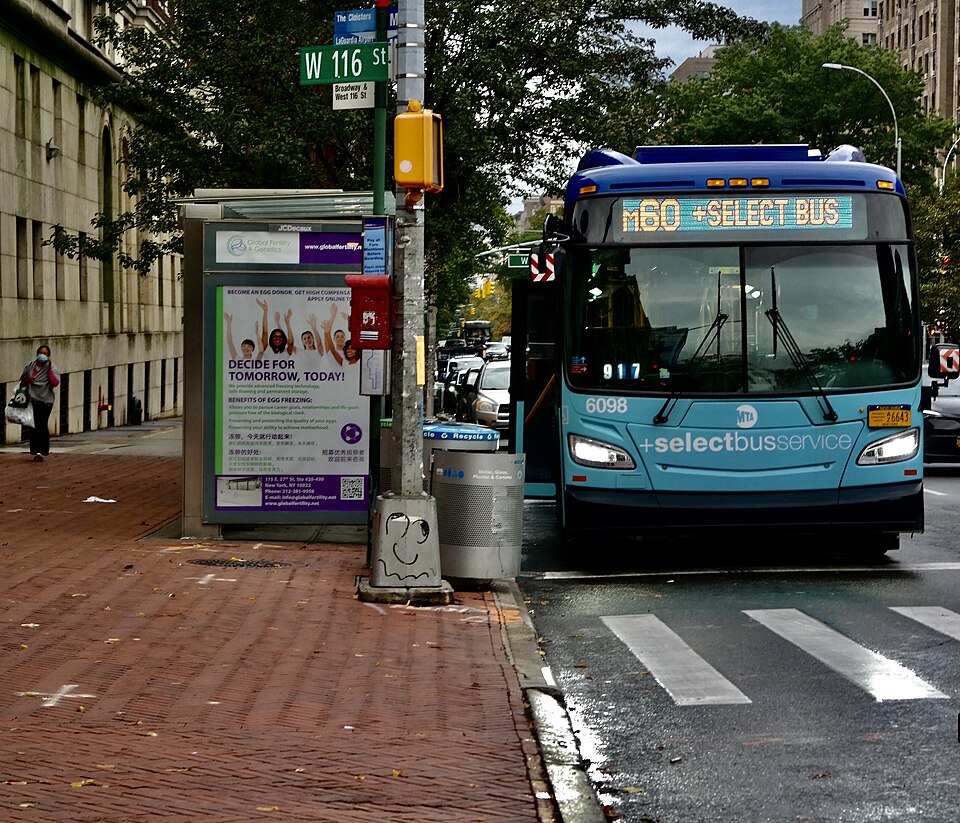
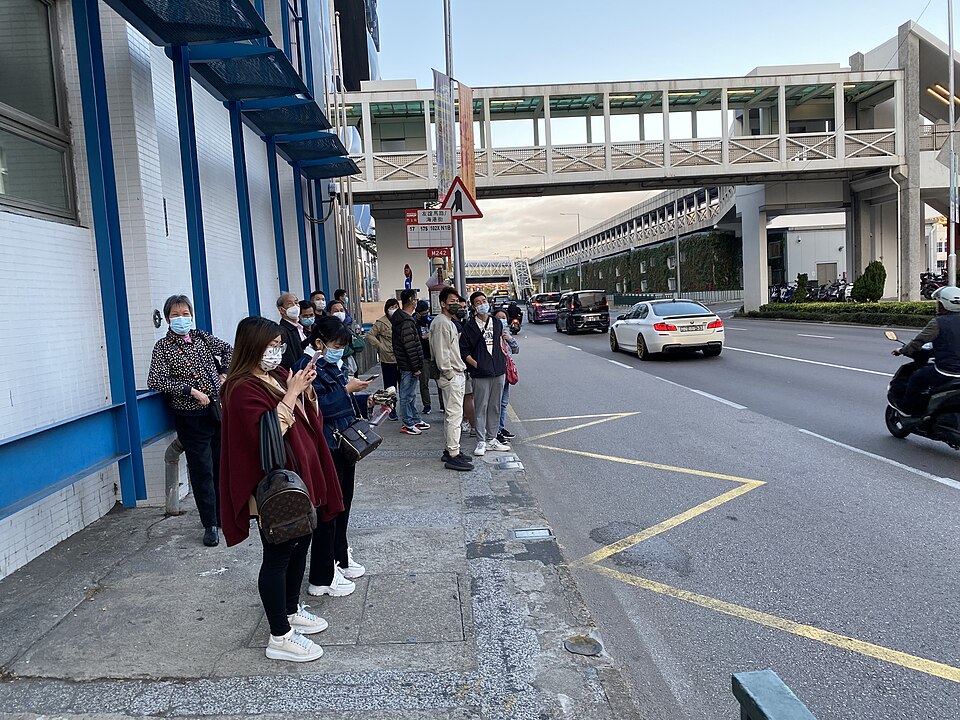
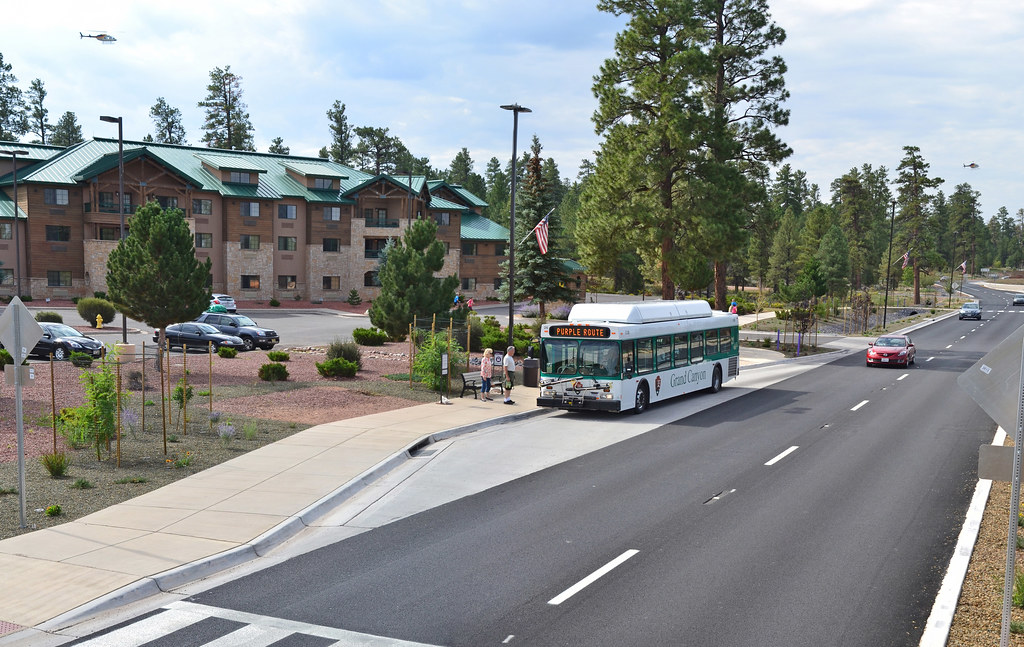
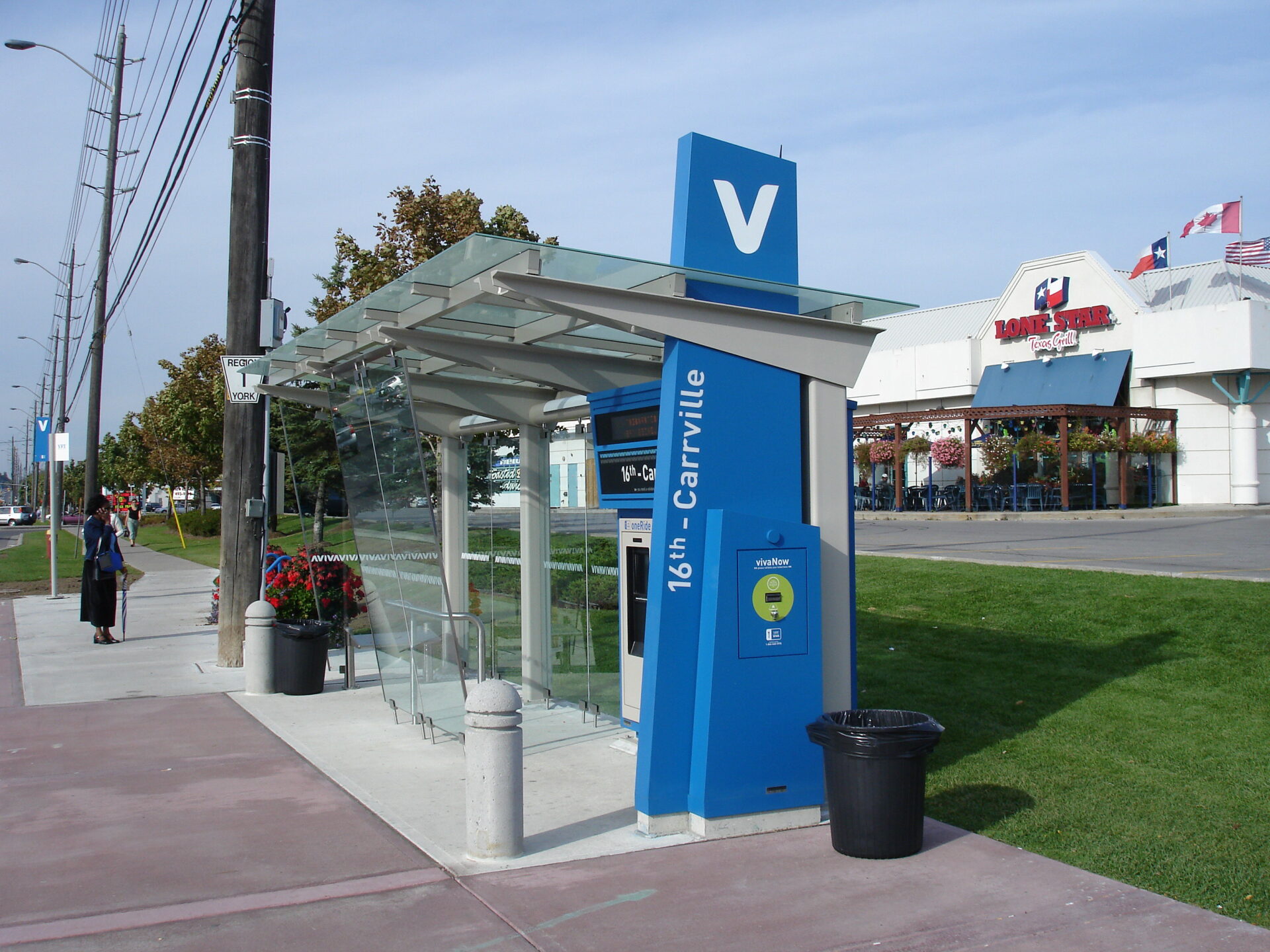
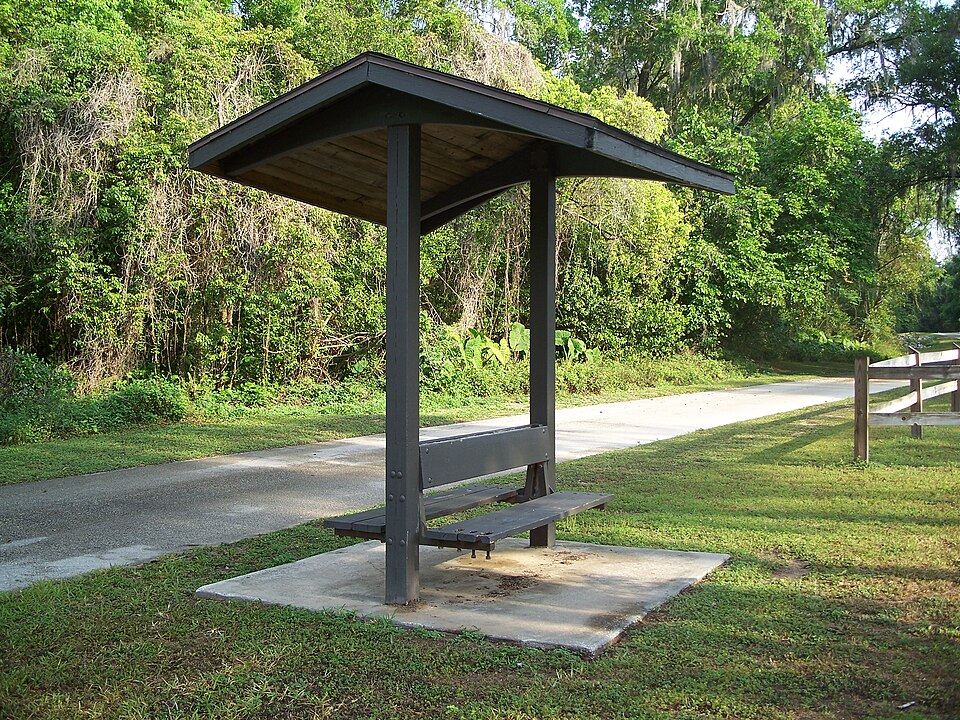
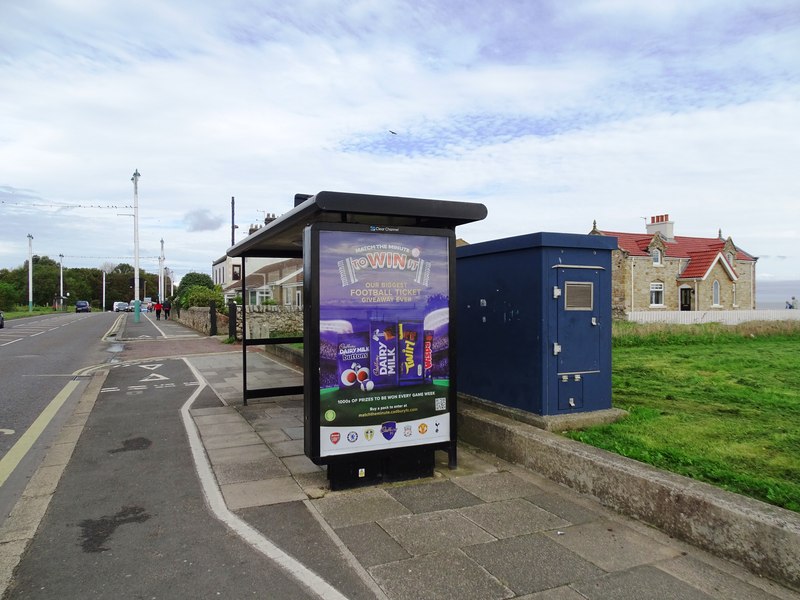
Bus stop bus with locations and descriptions.

Where is the San Diego airport bus stop?
Bus Stop Bus

Where is the San Diego airport bus stop?

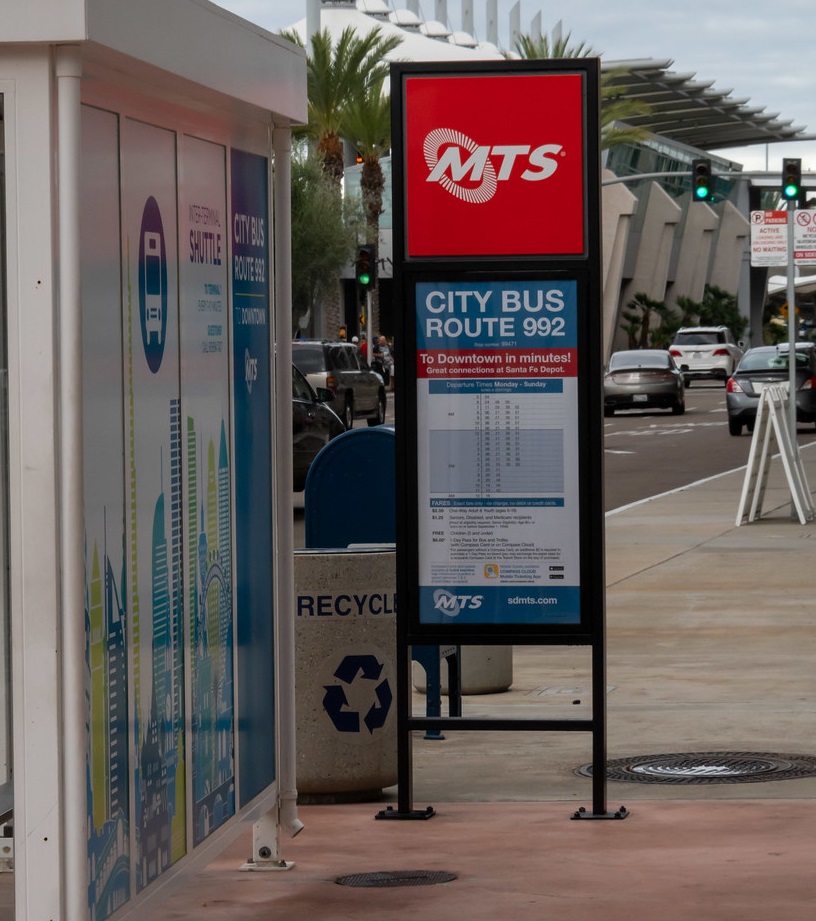
San Diego International Airport (SAN) serves as a major gateway to Southern California. Whether you travel for business or leisure, navigating ground transportation efficiently remains a priority. Metropolitan Transit System (MTS) Route 992 provides a reliable, cost-effective link between the airport and downtown San Diego. This guide provides clear directions to the bus stop and essential information for your journey. Pinpointing the Bus Stop Location MTS Route 992 operates directly from the airport terminal areas. To locate the bus stop, please follow these instructions based on your arrival point: Terminal 1: Upon exiting the baggage claim area, follow the signage toward ground transportation. The bus stop sits conveniently outside the terminal near the designated transit islan...
Bus Stop Bus

What is the difference between a bus station and a bus stop?

Navigating public transportation systems efficiently requires a clear understanding of the infrastructure at your disposal. While the terms "bus stop" and "bus station" often appear interchangeably in casual conversation, they serve distinct functions within urban and regional transit networks. Recognizing these differences helps travelers plan their journeys with greater precision. Defining the Bus Stop A bus stop represents the most fundamental unit of public transit infrastructure. Typically situated along a sidewalk or curb, a bus stop serves as a designated collection point where passengers board or alight from a bus. Most bus stops feature minimal infrastructure. You will often find a simple sign indicating the route number or a small shelter to provide basic protection from the...
Bus Stop Bus

Where is the GO bus in Manhattan?

Efficient transportation is the heartbeat of Manhattan. Whether you commute daily or visit for the weekend, understanding how to locate your Go Bus service ensures a seamless travel experience. If you are preparing for your next trip, use this guide to navigate the Manhattan pickup and drop-off locations with confidence. Identifying Your Departure Point Go Bus operates from specific, highly accessible zones within Manhattan to ensure passengers reach their destinations on schedule. Unlike local city buses that stop at every corner, Go Bus utilizes dedicated hubs designed for intercity travel. Most Go Bus departures from Manhattan originate from the 31st Street and 8th Avenue vicinity, near Penn Station. This location places travelers at the epicenter of New York City’s transit infrast...
Bus Stop Bus

How much money does it take to build a bus stop?

The total expense for a bus stop typically ranges from $5,000 to $50,000, depending on the scope of the project. This wide variance stems from the level of infrastructure required at the specific site. Modern urban infrastructure relies heavily on efficient public transit nodes. A well-designed bus stop serves as the vital connection point between passengers and the transit network. If you are researching municipal development or logistical planning, you likely want to understand the financial requirements behind these structures. Building a bus stop involves several variables, ranging from basic signage to sophisticated, climate-controlled shelters. 1. Site Preparation and Concrete Work Before contractors install any physical structure, they must prepare the ground. This phase includ...
Bus Stop Bus

Who is in charge of bus shelters?

Bus shelters serve as critical infrastructure within a modern city. They provide commuters with protection from the elements, safety during evening travel, and essential transit information. However, when a shelter suffers damage, accumulates litter, or requires maintenance, residents often feel uncertain about which agency holds responsibility. Understanding the jurisdictional nuances of public transit infrastructure helps you direct your concerns to the correct department, ensuring swift resolution and better community spaces. Identifying the Responsible Authority Bus shelters are typically overseen by three principal entities: municipal governments, transit agencies, and private advertising partners. Municipal Departments (Public Works) In many jurisdictions, the local Department...
Bus Stop Bus

What is the size of a bus shelter poster?

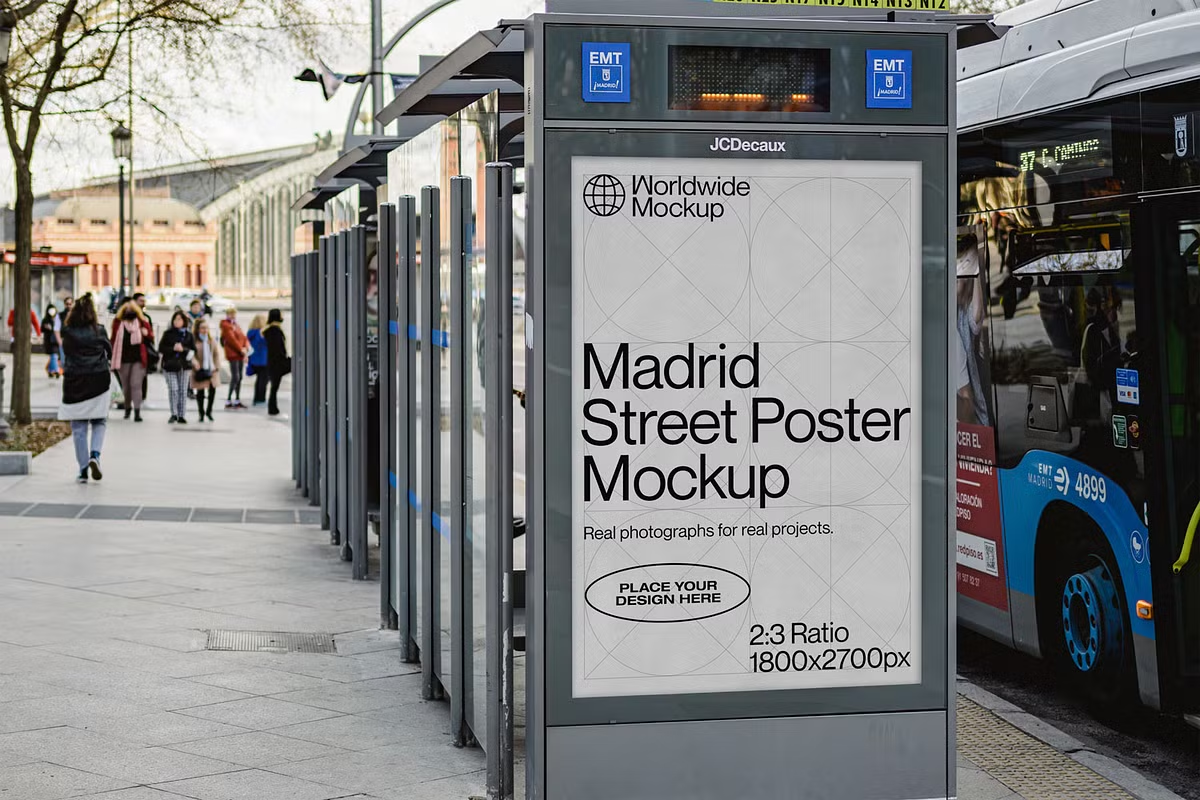
Bus shelter advertising offers high-impact visibility for brands seeking to engage commuters and pedestrians. To maximize your campaign effectiveness, you must understand the standard specifications for these displays. Standard Bus Shelter Poster Size Professionals in the industry typically call standard bus shelter posters "6-sheets." Total Size: 1,200mm (width) x 1,800mm (height) Live/Visible Area: 1,180mm (width) x 1,760mm (height) Advertisers design their creative work within these specific dimensions to ensure it fits perfectly within the illuminated display casing. Why Dimension Accuracy Matters Precision in your file setup prevents critical design elements from disappearing behind the frame of the shelter. When you prepare your artwork: Prioritize the Live Area: ...
Bus Stop Bus

How to Understanding the Cost of Bus Stop Shelters

Investing in public infrastructure requires careful financial planning. Whether you represent a municipal transit authority, a private developer, or a corporate campus administrator, understanding the factors that influence the cost of a bus stop shelter is essential. The Price Range of Bus Stop Shelters On average, a standard, functional bus stop shelter costs between $5,000 and $15,000. However, premium architectural designs with advanced amenities can exceed $30,000 per unit. This price gap reflects the difference between basic utilitarian structures and high-end, multi-functional hubs designed for urban aesthetics and passenger comfort. Key Factors Influencing Total Investment 1. Materials and Durability Manufacturers typically construct shelters using aluminum, steel, or glass. P...
Bus Stop Bus

How modern bus shelters enhance commuter convenience

Public transportation serves as the backbone of every thriving urban center. While transit agencies often focus on fleet modernization and route optimization, the physical infrastructure at street level remains just as critical. Modern bus shelters represent a significant departure from the utilitarian structures of the past, transforming the waiting experience into a seamless, comfortable, and intelligent part of the daily commute. Infrastructure Designed for Human Comfort Today’s state-of-the-art shelters prioritize passenger well-being through advanced design and weather-resistant materials. Engineered glass panels and durable, high-grade polycarbonate roofs shield commuters from harsh wind, rain, and intense UV rays. The primary function of a bus shelter has thus been etended. Bey...
Bus Stop Bus

How bus benches are engineered for modern city commuters

Modern urban environments require intentional design choices that balance functionality, durability, and aesthetics.  Several businesses prioritize the development of high-quality bus benches that serve as essential components of municipal transit systems. The seating they produce provide transit riders with comfort while elevating the visual appeal of streetscapes and transit corridors. Engineered for Longevity and Performance They design bus benches to withstand the rigors of heavy daily use and unpredictable weather conditions.  The manufacturing team utilizes premium materials—including powder-coated steel, high-density recycled plastics, and reinforced concrete—to ensure resistance against corrosion, vandalism, and extreme temperature fluctuations. By prioritizing structural inte...
Bus Stop Bus

What is a digital bus shelter? Understanding how different it is

Urban landscapes evolve rapidly, and public transportation infrastructure must keep pace. Our state-of-the-art digital bus shelters bridge the gap between traditional transit utility and modern smart-city technology. By integrating high-definition displays, real-time data, and sustainable design, we provide a sophisticated transit experience for commuters while offering unparalleled engagement opportunities for brands and municipalities. Enhancing the Commuter Experience The modern commuter demands efficiency. Digital shelters replace static signage with dynamic, real-time information systems. Passengers view live arrival schedules, service updates, and route maps on vibrant, weather-resistant screens. This transparency reduces uncertainty and improves the overall flow of public transit....
Bus Stop Bus

What makes the bus shelter Ooh reach its target audience?

In today’s fragmented media landscape, capturing consumer attention requires presence in the physical world. Bus shelter Out-of-Home (OOH) advertising offers a high-impact, cost-effective solution for brands aiming to build awareness within specific urban environments. By positioning your message at eye level within high-traffic pedestrian and commuter zones, you turn everyday transit stops into powerful storytelling opportunities. Why Choose Bus Shelter Advertising? Bus shelter advertising bridges the gap between digital saturation and tangible engagement. Unlike fleeting mobile ads, static or digital bus shelter displays provide persistent visibility. Commuters, pedestrians, and passengers encounter your brand repeatedly throughout their daily routines, which reinforces message recall ...
Bus Stop Bus

Discover the main bus stops in Edinburgh

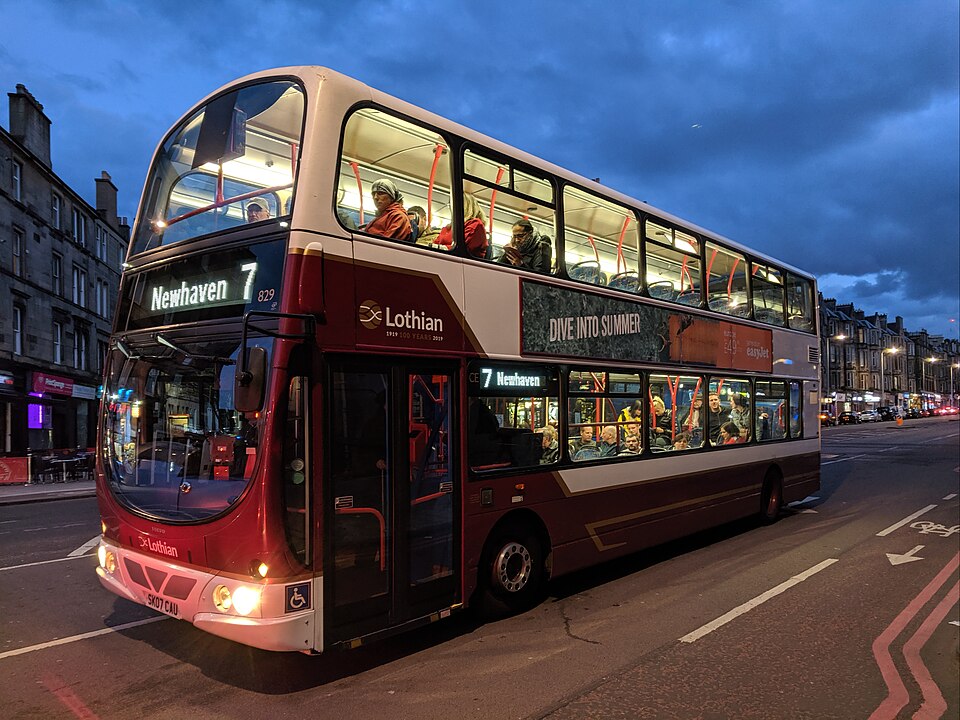
Edinburgh offers an extensive and reliable public transportation network. Whether you are a local resident commuting to the city centre or a visitor exploring Scotland’s capital, understanding the bus infrastructure ensures seamless travel. With Lothian Buses operating hundreds of routes across the city and the surrounding Lothian regions, finding your stop is the first step toward a stress-free journey. Efficient Travel Across the Capital Edinburgh’s bus network connects every major district, from the historic Old Town and the elegant New Town to the coastal beauty of Leith and the suburban reaches of the Pentlands. Over 2,500 bus stops serve the city, each marked with clear signage and unique stop identifiers. Strategic bus stops provide access to key transport hubs, including: E...