


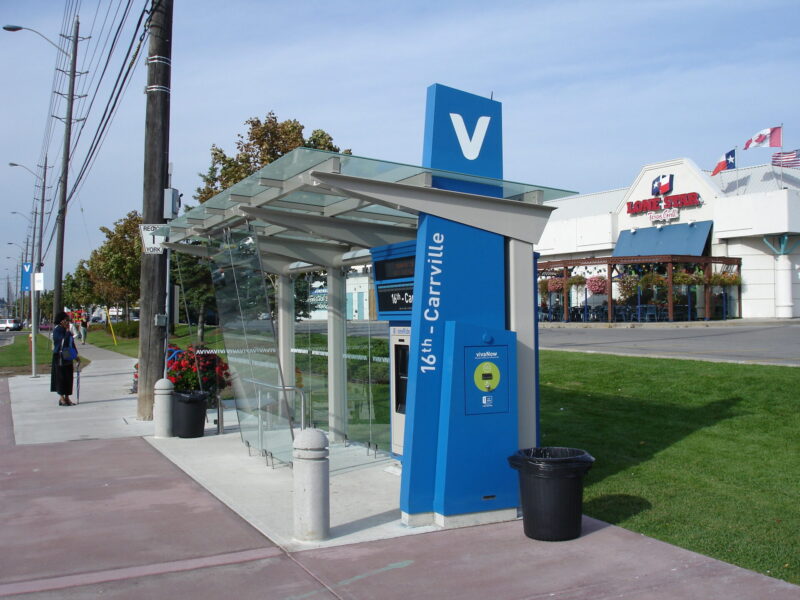
Public transportation serves as the backbone of every thriving urban center. While transit agencies often focus on fleet modernization and route optimization, the physical infrastructure at street level remains just as critical. Modern bus shelters represent a significant departure from the utilitarian structures of the past, transforming the waiting experience into a seamless, comfortable, and intelligent part of the daily commute.
Infrastructure Designed for Human Comfort
Today’s state-of-the-art shelters prioritize passenger well-being through advanced design and weather-resistant materials. Engineered glass panels and durable, high-grade polycarbonate roofs shield commuters from harsh wind, rain, and intense UV rays. The primary function of a bus shelter has thus been etended.
Beyond simple protection, modern designs incorporate ergonomic seating and open-access layouts that ensure safety and comfort for all demographics. These structures prioritize visibility and accessibility, allowing passengers to spot approaching vehicles easily while maintaining a feeling of security and openness.
The Integration of Smart Technology
Modern bus shelters evolve alongside our digital landscape. Many municipalities now integrate real-time passenger information (RTPI) systems directly into the shelter architecture. High-definition digital displays provide commuters with live updates on arrival times and transit alerts, effectively removing the uncertainty that once defined the bus-waiting experience.
Furthermore, these hub-like structures often feature integrated charging ports and Wi-Fi connectivity. By providing power for mobile devices, transit authorities enable commuters to remain productive or entertained while they wait. This fusion of utility and technology encourages greater adoption of public transit by aligning the experience with the expectations of the modern, connected citizen.
Promoting Sustainability and Urban Aesthetics
Progressive urban planning demands infrastructure that supports environmental goals. Many contemporary shelters utilize solar panels integrated into the roof structure. This renewable energy powers high-efficiency LED lighting, which illuminates the boarding zone at night, thereby increasing safety and reducing the overall carbon footprint of the transit network.
Beyond sustainability, modern shelters act as aesthetic assets. Architects design these structures to complement the surrounding cityscape, utilizing sleek lines and sustainable materials that turn functional transit stops into iconic urban landmarks. This commitment to design helps beautify neighborhoods and fosters a sense of civic pride.
The Link Between Quality Infrastructure and Transit Usage
The quality of the boarding environment directly influences public perception of transit services. When cities invest in clean, safe, and comfortable shelters, they signal a commitment to the commuter’s time and dignity. This investment reduces the perceived “friction” of public transit, making buses a more attractive alternative to personal vehicle use.
By prioritizing comfort, connectivity, and sustainability, modern bus shelters do more than provide a roof; they bridge the gap between people and the city. As we move toward a future of smarter urban mobility, these high-performance transit hubs will continue to play a pivotal role in creating efficient, accessible, and desirable transportation networks for everyone.


