


Recommended reference
How to master the MTA bus schedules in New York
Efficient public transit serves as the backbone of a thriving city. When municipalities optimize bus schedules, they reduce traffic congestion, lower carbon emissions, and improve the quality of life for every resident. By aligning transit operations with real-world travel patterns, city planners transform complex logistical challenges into seamless mobility solutions.
The Science of Transit Data
Modern transit authorities no longer rely on guesswork to manage fleet operations. They prioritize data-driven decision-making to enhance route performance. Engineers collect information from Automated Passenger Counters (APCs), GPS tracking devices, and mobile ticketing systems. These tools reveal precise insights into peak ridership hours, transfer bottlenecks, and high-demand corridors. By analyzing these datasets, planners identify where buses experience overcrowding and where they travel empty, allowing for immediate, surgical adjustments to service frequency.
Balancing Efficiency and Accessibility
Municipalities face a constant tug-of-war between operational cost-effectiveness and broad public accessibility. To resolve this, city planners utilize sophisticated scheduling software. These platforms run thousands of simulations to determine optimal vehicle deployment. Algorithms account for driver shift regulations, maintenance cycles, and traffic variance to create the most efficient timetables possible.
Furthermore, cities strive for “clock-face scheduling.” This method ensures buses arrive at consistent intervals—such as every 15 or 30 minutes—rather than irregular timings. Consistent service patterns boost rider confidence and encourage residents to choose public transit over personal vehicles.
Integrating Intermodal Connectivity
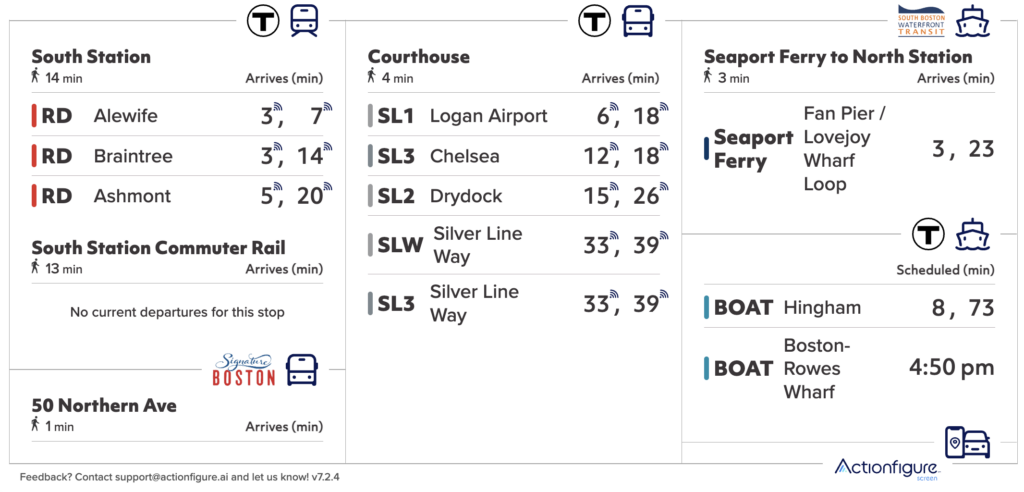
A schedule only succeeds if it respects the broader transportation ecosystem. Municipalities actively coordinate bus arrivals with train schedules, subway lines, and regional transit hubs. This synchronization minimizes waiting times for commuters making transfers. By treating the entire city’s transit network as a single, unified entity, planners provide a fluid experience for the end user. This intermodal focus significantly increases total network ridership and ensures that underserved neighborhoods gain better access to key economic zones.
Incorporating Real-Time Adaptability
Rigid timetables often fail in the face of unpredictable events like severe weather, road construction, or traffic accidents. Consequently, forward-thinking municipalities implement Dynamic Transit Management. Dispatchers utilize real-time monitoring to adjust schedules on the fly. If a major delay occurs, control centers redirect buses or deploy “gap fillers” to maintain service stability. This responsiveness builds trust with the public and maintains the reliability of the system.
A Sustainable Future
Ultimately, optimized bus scheduling represents a commitment to urban sustainability. When cities refine their transit networks, they reduce the reliance on single-occupancy vehicles, which directly lowers a municipality’s overall carbon footprint. As urban populations continue to grow, the ability to move people efficiently will dictate the economic success of the modern city.
By investing in advanced analytics, prioritizing passenger insights, and maintaining operational flexibility, municipalities ensure that public transit remains a reliable, sustainable, and essential service for all citizens.


