


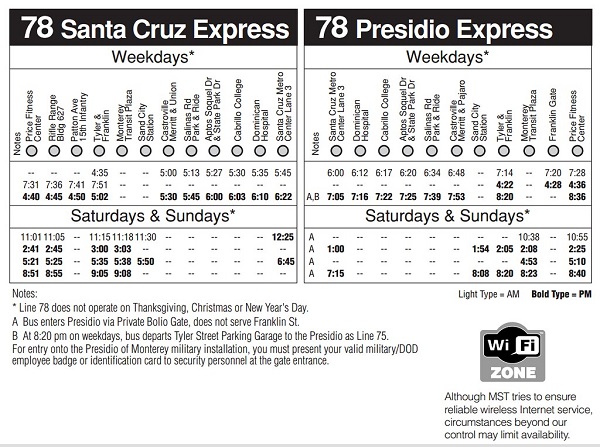
Whether you commute daily, run occasional errands, or plan a weekend adventure, a reliable bus schedule saves time and reduces stress. Below, we distill the most important information into seven clear facts. Use this guide to travel confidently, stay on track, and make the most of public transit.
1. Schedules Reflect Real‑Time Operations
Transit agencies publish timetables that incorporate average travel speeds, traffic patterns, and stop dwell times. Modern systems sync these tables with GPS data, so the displayed arrival time updates automatically when a bus runs ahead or falls behind.
2. Weekday and Weekend Timetables Differ
Demand spikes on weekdays as commuters rush to work, while weekend ridership drops sharply. Agencies therefore run more frequent service Monday through Friday and reduce the number of trips on Saturdays and Sundays. Review the specific weekday and weekend tables before you plan a trip; assuming identical service can cause missed connections.
3. Seasonal Adjustments Change Frequencies
Holiday periods, summer vacations, and school terms affect ridership patterns. During summer, agencies often increase service on tourist routes and reduce it on commuter corridors. During the holiday season, they may add special express trips or modify routes to accommodate increased demand at shopping centers. Look for “Seasonal Service Notices” on the provider’s website to stay informed.
4. Peak‑Hour Express Services Skip Stops
Many cities operate limited‑stop express buses during morning and evening rush hours. These vehicles board and alight only at major transfer points, cutting travel time by up to 30 %.
5. Transfer Windows Allow Seamless Connections
Transit agencies usually grant a free transfer within a set time frame—often 90 minutes—from the moment you board your first bus. This window lets you hop between routes without paying an additional fare. Verify the transfer policy in the schedule’s footnotes; some systems require a printed ticket, while others validate transfers automatically via a smart‑card tap.
6. Service Alerts Override Printed Timetables
Construction, accidents, and severe weather can disrupt regular service. In such cases, agencies post alerts that override the printed timetable. Subscribe to email or SMS notifications, or enable push alerts in the official app, to receive instant updates. Ignoring these alerts can leave you stranded at a stop that no longer receives service.
7. Accessibility Features Appear in the Schedule
All public buses comply with accessibility standards, but the schedule highlights special accommodations such as low‑floor vehicles, wheelchair ramps, and priority seating. Look for the accessibility icon next to the route number. Knowing which buses offer these features helps you plan a comfortable ride for all passengers.
Put These Facts to Work
Download the official app – it aggregates live arrivals, service alerts, and transfer windows in one place.
Print a quick‑reference sheet – list your most‑used routes, peak‑hour express numbers, and transfer policies.
Sign up for alerts – stay ahead of construction detours and weather‑related changes.
Summary
By mastering these seven facts, you turn a simple bus schedule into a powerful travel tool.


