


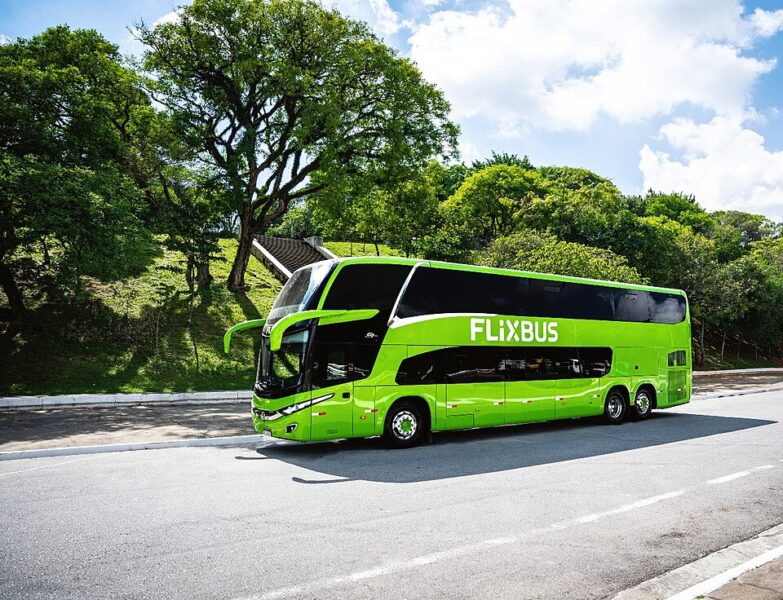
Travelers frequently ask how FlixBus maintains such competitive pricing while expanding its network across continents. While low fares often invite skepticism, the FlixBus business model relies on a sophisticated combination of technological innovation, strategic partnerships, and operational efficiency. By rethinking the traditional bus travel industry, the company delivers affordable transit to millions of passengers without compromising accessibility.
A Tech-Driven Asset-Light Model
Unlike traditional coach companies that own and maintain massive vehicle fleets, FlixBus operates on an “asset-light” model. The company functions primarily as a technology platform rather than a traditional bus operator.
FlixBus manages the software, route planning, pricing algorithms, and customer service infrastructure, while local, regional partners operate the actual buses. This division of labor allows FlixBus to focus on market data and optimization, while local partners leverage their existing expertise and maintenance facilities. This streamlined approach minimizes overhead costs and eliminates the heavy capital expenditure associated with purchasing and servicing physical vehicles.
Data-Driven Efficiency
Advanced algorithms sit at the core of the FlixBus operation. The company continuously analyzes real-time demand data to optimize its route network. By monitoring booking patterns, seasonal trends, and local events, FlixBus adjusts frequencies and capacity to ensure that buses run at high occupancy rates.
Maximizing the number of passengers per trip lowers the cost per seat, which allows the company to pass those savings directly to the consumer. This rigorous mathematical approach to scheduling ensures that buses rarely travel empty, which maximizes fuel efficiency and logistical performance.
Streamlined Operational Costs
FlixBus utilizes a digital-first approach to reduce administrative expenses. By replacing traditional ticket counters and paper-based systems with a robust mobile application and website, the company eliminates significant manual labor and physical infrastructure costs. Travelers manage their entire journey—from ticket purchase to live bus tracking—via their smartphones. This digital integration reduces the need for expensive customer service centers and physical retail locations in every city.
Scalability and Strategic Partnerships
The FlixBus strategy centers on rapid scalability. When the company enters a new market, it integrates existing local bus companies into its digital ecosystem. This strategy provides local operators with access to a massive customer base and sophisticated reservation technology, while FlixBus gains an instant, experienced workforce without the need to build a new company from the ground up. This symbiotic relationship drives operational efficiency across the entire network, keeping administrative costs significantly lower than those of traditional, centrally managed transit monopolies.
Your Journey, Reimagined
FlixBus does not achieve low prices by cutting corners on safety or quality. Instead, the company utilizes data, technology, and strategic partnerships to remove the inefficiencies that have plagued the transport industry for decades. Whether you are planning a cross-country adventure or a simple weekend getaway, our commitment remains the same: providing safe, reliable, and sustainable travel that respects your budget.
Experience the future of affordable transit. Book your next trip with FlixBus and see how we redefine the road.


