


Navigating public transportation systems efficiently requires a clear understanding of the infrastructure at your disposal. While the terms “bus stop” and “bus station” often appear interchangeably in casual conversation, they serve distinct functions within urban and regional transit networks. Recognizing these differences helps travelers plan their journeys with greater precision.
Defining the Bus Stop
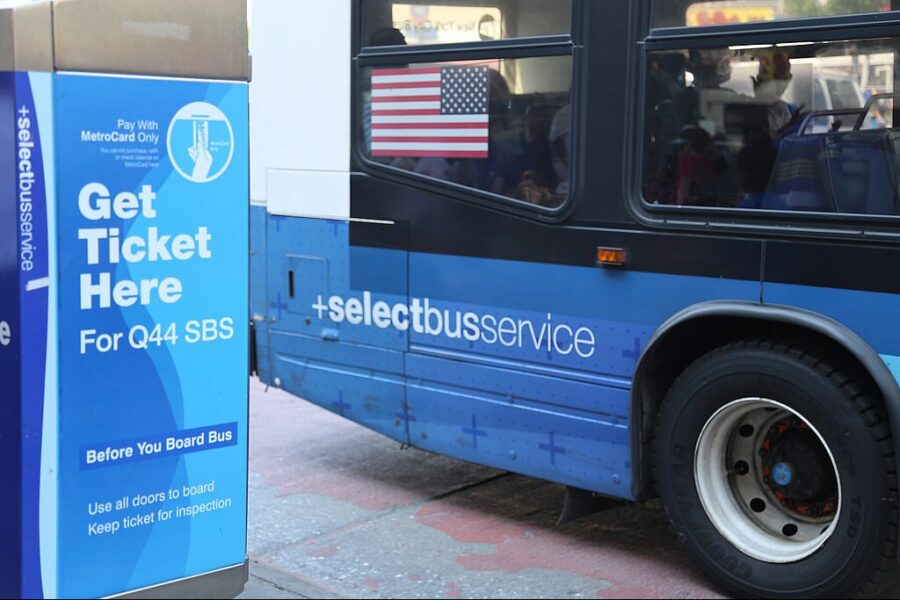
A bus stop represents the most fundamental unit of public transit infrastructure. Typically situated along a sidewalk or curb, a bus stop serves as a designated collection point where passengers board or alight from a bus.
Most bus stops feature minimal infrastructure. You will often find a simple sign indicating the route number or a small shelter to provide basic protection from the elements. Because buses share the road with other traffic, stops facilitate quick, fluid pickups. Drivers pull over, passengers board or exit, and the vehicle immediately resumes its journey. These locations prioritize convenience and high-frequency access across a city’s grid.
Defining the Bus Station
In contrast, a bus station functions as a major transit hub. Unlike a simple curb-side stop, a bus station acts as a centralized facility specifically designed to manage high volumes of passengers and multiple transit routes.
Stations frequently serve as integration points where local bus lines meet regional or intercity coaches. Because of this, they offer a significantly higher level of service. A typical bus station includes:
- Waiting Areas: Enclosed, climate-controlled environments for passenger comfort.
- Ticketing Services: Dedicated counters or kiosks for purchasing long-distance tickets.
- Amenities: Public restrooms, retail outlets, food vendors, and luggage storage facilities.
- Operational Control: Platforms that allow multiple buses to load and unload simultaneously without obstructing street traffic.
Key Operational Differences
The primary difference lies in the scale and purpose of the facility.
When you utilize a bus stop, you are likely participating in a short-distance commute. These stops exist to minimize the walking distance for city residents throughout their daily routines. The interaction at a bus stop is brief, transactional, and optimized for speed.
Conversely, a bus station facilitates complex travel. It serves as a departure or arrival point for long-distance journeys that require coordination between different transit modes. Stations provide the necessary infrastructure to manage departures, arrivals, and transfers in a structured, centralized manner. While a bus stop is merely a temporary point of contact between a pedestrian and a vehicle, a bus station is a destination in its own right, equipped to manage the logistical needs of travelers embarking on longer transit experiences.
Summary: Choosing the Right Transit Point
Understanding this distinction empowers you to navigate your local or national transit map more effectively. If you are commuting within a city, look for the signage of a standard bus stop. If you are planning an intercity trip, identify the nearest bus station to access the necessary amenities, ticketing services, and scheduling coordination. By mastering these nuances, you ensure a smoother, more predictable travel experience every time you step on board.


