


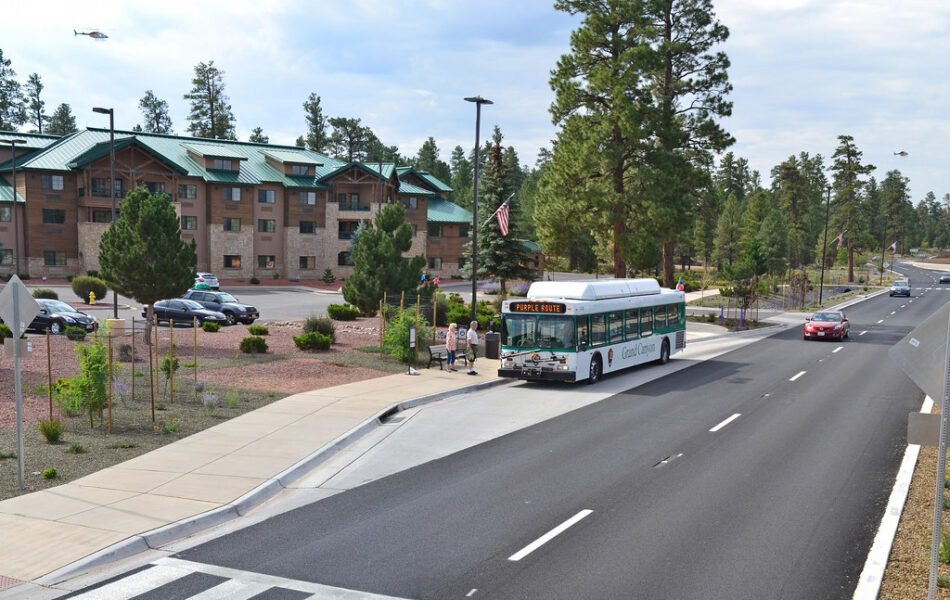
Investing in public infrastructure requires careful financial planning. Whether you represent a municipal transit authority, a private developer, or a corporate campus administrator, understanding the factors that influence the cost of a bus stop shelter is essential.
The Price Range of Bus Stop Shelters
On average, a standard, functional bus stop shelter costs between $5,000 and $15,000. However, premium architectural designs with advanced amenities can exceed $30,000 per unit. This price gap reflects the difference between basic utilitarian structures and high-end, multi-functional hubs designed for urban aesthetics and passenger comfort.
Key Factors Influencing Total Investment
1. Materials and Durability
Manufacturers typically construct shelters using aluminum, steel, or glass. Powder-coated aluminum offers a balance of affordability and corrosion resistance, making it the industry standard. Conversely, heavy-duty steel provides superior structural integrity for high-traffic environments, while tempered glass or polycarbonate panels influence both safety and long-term maintenance costs.
2. Size and Configuration
The footprint of the shelter dictates the material volume and labor required. A small, single-panel unit serves a low-density neighborhood efficiently, while larger, cantilevered designs accommodate more commuters in high-traffic urban corridors.
3. Amenities and Integration
Modern shelters serve as more than simple windbreaks. You may choose to integrate:
- Solar-Powered Lighting: Improves safety and reduces electricity costs.
- Digital Signage: Provides real-time transit updates to passengers.
- Seating and Wayfinding: Enhances the user experience through benches and integrated maps.
- Advertising Panels: Offset costs by generating revenue through third-party ad placements.
Installation and Site Preparation
The “hidden” costs of a bus stop shelter project often reside in the installation phase. Site preparation, including concrete pad pouring, electrical grid connectivity, and accessibility compliance (ADA regulations), represents a significant portion of the total budget. Always factor in professional assembly fees and local permit acquisition costs to ensure a seamless project rollout.
The Long-Term Value of Quality Infrastructure
Choosing the lowest-priced option often leads to higher maintenance costs later. Durable, weather-resistant materials reduce the frequency of repairs and preserve the structure’s aesthetic appeal over time. Furthermore, well-lit, clean, and safe shelters increase public transit ridership by fostering a positive experience for commuters.


