


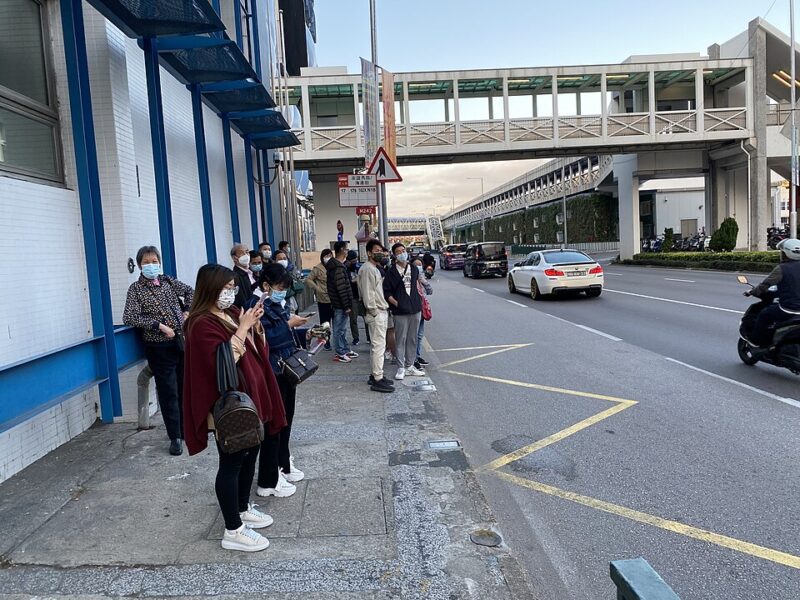
Bus shelters serve as critical infrastructure within a modern city. They provide commuters with protection from the elements, safety during evening travel, and essential transit information. However, when a shelter suffers damage, accumulates litter, or requires maintenance, residents often feel uncertain about which agency holds responsibility.
Understanding the jurisdictional nuances of public transit infrastructure helps you direct your concerns to the correct department, ensuring swift resolution and better community spaces.
Identifying the Responsible Authority
Municipal Departments (Public Works)
In many jurisdictions, the local Department of Public Works (DPW) or the City Transportation Department maintains the physical structure of the shelter. These departments handle graffiti removal, structural repairs, and sidewalk maintenance surrounding the shelter area. If your city owns the benches or the physical enclosure, the local government acts as the primary point of contact for reports regarding vandalism or structural integrity.
Regional Transit Authorities
Often, the regional transit agency—the same entity that operates the buses—manages the transit-specific elements of the shelter. They maintain the signage, route maps, and real-time arrival displays. If a schedule is outdated or a digital display malfunctions, the transit agency usually possesses the authority to address these technical issues.
Private Advertising Partners
In many metropolitan areas, cities enter into Public-Private Partnerships (P3) to design, build, and maintain bus shelters. In exchange for the capital investment, private advertising firms gain the right to display advertisements on the side panels of the shelter. Under these agreements, the advertising firm assumes responsibility for the daily cleaning, glass repair, and general upkeep of the structure. If you notice a broken panel or a lighting issue, checking the side of the shelter for a company logo or a contact sticker is an effective first step.
How to Report Issues Effectively
When you identify a maintenance issue, follow these steps to ensure the right team receives your report:
- Confirm ID Numbers: Most local governments or private contractors place a unique identification tag on the shelter frame.
- Use City Service Applications: Many cities now offer smartphone applications or web portals—such as “311” systems—that allow residents to submit photos and location data directly to the correct department.
- Consult Your Transit Agency Website: Most transit websites include a “Contact Us” or “Feedback” section specifically for infrastructure concerns. They prioritize these requests to ensure passenger safety.
Why Engagement Matters
Your involvement is essential for ensuring that transit infrastructure remains both functional and appealing.
Summary
If you remain uncertain about who manages a specific shelter in your neighborhood, start with your city’s general information line or the customer service portal of your regional transit authority. These teams maintain communication channels with the various departments and private contractors, and they will route your inquiry to the appropriate party. Together, we maintain safe, reliable, and well-kept transit spaces for everyone.


