


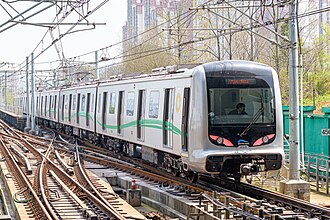
When travelers and urban planners discuss mass transit, they often look to the expanding networks of East Asia. Currently, the Line 18 of the Chengdu Metro in China holds the title for the longest single metro line in the world.
Understanding the Record-Holder
Spanning approximately 144.8 kilometers (about 90 miles), Chengdu Metro Line 18 serves as a vital artery connecting the city’s urban center with the Chengdu Tianfu International Airport. Since its inauguration, this line has redefined expectations for rapid transit, utilizing high-speed trains that reach velocities of up to 140 km/h. By bridging such a vast distance, Line 18 effectively minimizes commute times for millions of residents and international travelers alike.
Why Length Matters in Urban Planning
A metro line of this magnitude represents more than just engineering prowess. These extended transit routes drive economic integration between suburban hubs and central business districts. By offering a reliable, high-capacity alternative to road transport, cities like Chengdu significantly reduce traffic congestion and lower the regional carbon footprint.
While definitions of “metro” versus “commuter rail” sometimes vary among international transit authorities, Line 18 maintains its status as a fully integrated rapid transit system. Its design prioritizes seamless connectivity, featuring sophisticated transfer hubs that link passengers to the wider Chengdu Metro network.
The Evolution of Global Transit
As urbanization accelerates, other global cities continue to challenge these records. Major networks in Shanghai, Beijing, and Moscow consistently extend their routes to meet the demands of growing populations. However, for now, the sheer scale of Chengdu’s Line 18 stands as a benchmark for modern infrastructure projects.
Whether you are a transit enthusiast or simply curious about global travel, exploring the complexities of these systems reveals the incredible progress of twentieth-first-century urban mobility. These networks do more than move people; they define the shape and future of our modern metropolises.


