


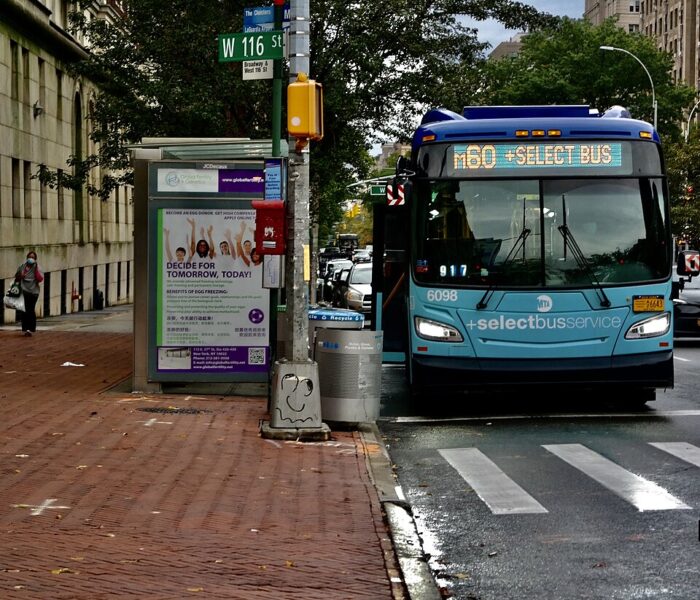
The total expense for a bus stop typically ranges from $5,000 to $50,000, depending on the scope of the project. This wide variance stems from the level of infrastructure required at the specific site.
Modern urban infrastructure relies heavily on efficient public transit nodes. A well-designed bus stop serves as the vital connection point between passengers and the transit network. If you are researching municipal development or logistical planning, you likely want to understand the financial requirements behind these structures. Building a bus stop involves several variables, ranging from basic signage to sophisticated, climate-controlled shelters.
1. Site Preparation and Concrete Work
Before contractors install any physical structure, they must prepare the ground. This phase includes excavating the area, pouring a reinforced concrete pad (often ADA-compliant), and ensuring proper drainage. Labor costs and material density significantly influence this portion of the budget. Expect to allocate a substantial portion of the project funds to these foundational elements.
2. The Shelter Structure
The shelter itself represents the most visible cost. A simple, prefabricated steel-and-glass shelter occupies the lower end of the pricing spectrum. Conversely, custom-designed architectural shelters with specialized lighting and weather-resistant materials demand a higher investment. Factors such as regional wind-load requirements and snow-load standards necessitate structural engineering, which adds to the bottom-line cost.
3. Amenities and Technology
Modern transit agencies increasingly integrate “smart” features into their bus stops. These additions enhance the rider experience but also increase the capital requirement:
- Real-time Arrival Displays: Providing passengers with live data requires electrical connectivity and hardware maintenance.
- Lighting and Security: Solar-powered or grid-connected LED lighting improves passenger safety during evening hours.
- Accessibility Features: Tactile paving and audible communication systems ensure the facility meets universal design standards.
- Waste Management: Durable trash receptacles and recycling bins add incidental costs to the project.
Regulatory and Permitting Expenses
Construction does not happen in a vacuum. Municipalities require detailed site plans, utility surveys, and traffic impact studies. Obtaining the necessary permits usually incurs administrative fees. Furthermore, contractors must adhere to strict safety regulations and traffic control protocols during the construction phase, which adds labor hours to the overall budget.
Long-Term Maintenance Considerations
When evaluating the cost of a bus stop, stakeholders must look beyond the initial construction price tag. Ongoing maintenance—including glass cleaning, graffiti removal, structural repairs, and electrical upkeep—represents a recurring financial commitment. Many agencies offset these costs through advertising partnerships, where the revenue generated from shelter displays subsidizes the upkeep of the facility.
Conclusion
Building a functional, safe, and attractive bus stop requires careful coordination of engineering, construction, and urban planning. While basic stops require a modest initial layout, high-traffic urban centers often choose to invest more heavily in durable, technology-integrated structures to improve rider satisfaction and transit reliability. By understanding these cost drivers, planners can make informed decisions that serve the public interest while remaining fiscally responsible.


