


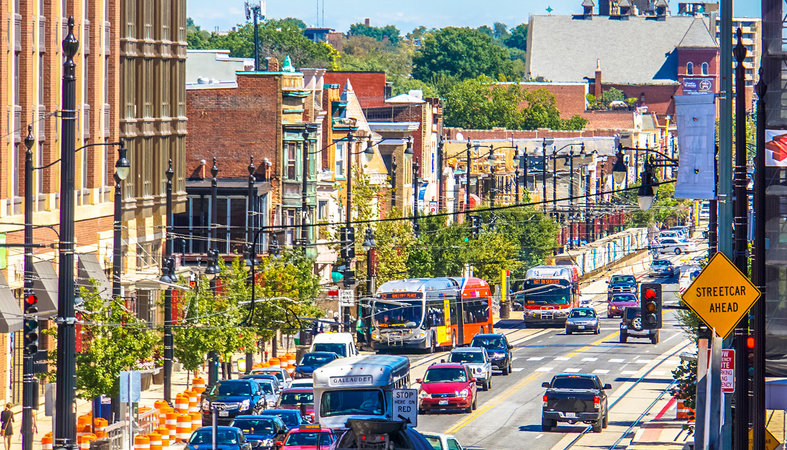
The Randolph County transportation offers a mix of trip options to meet different needs. From highways connecting to larger cities to local transit services, understanding the available resources such as routes ad bus stops is key to navigating the county.
Roads and Highways:
At the heart of Randolph County’s transportation infrastructure are its roads and highways. Major routes like [Mention Major Highways – e.g., US Highway 64, Interstate 73/74] provide vital connections to neighboring counties and metropolitan areas like [Mention Nearby Cities – e.g., Greensboro, Asheboro, Charlotte]. These highways are crucial for commuting to work, accessing regional services, and facilitating the movement of goods.
Driving is arguably the most prevalent mode of transportation in Randolph County, allowing for flexibility and convenience. However, with increasing population, understanding peak traffic times, especially around [Mention specific areas with traffic congestion – e.g., Asheboro during rush hour, areas near manufacturing plants], is crucial for efficient travel.
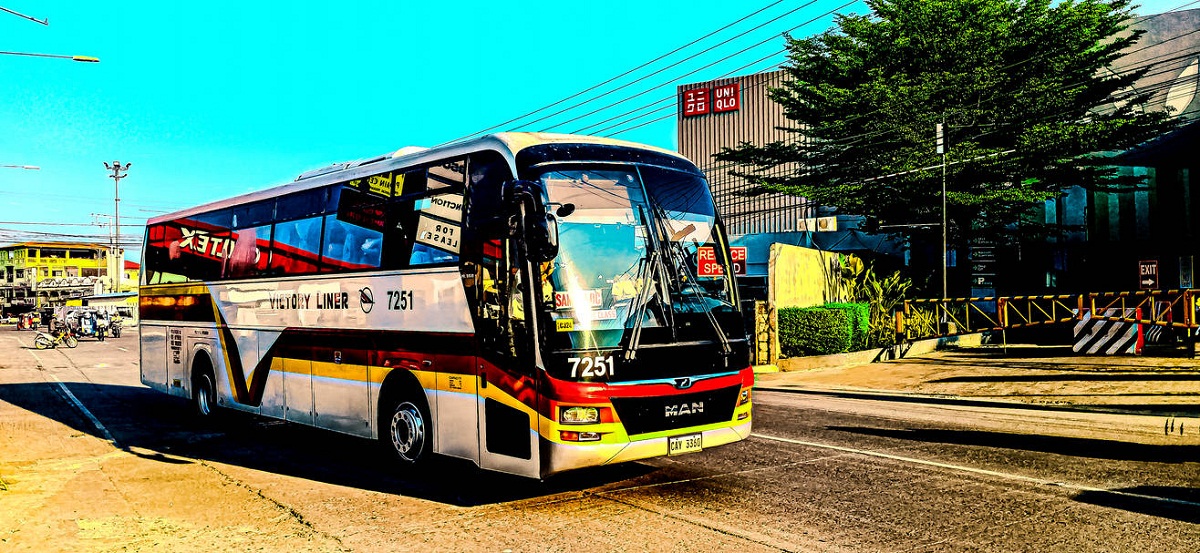

Public Transportation: Randolph County Transit Services (RCTS):
For those without personal vehicles or seeking a more sustainable option, Randolph County Transit Services (RCTS) plays a vital role. RCTS offers [Describe the Service – e.g., demand-response transportation, fixed-route options] throughout the county. This service is particularly important for:
- Seniors and individuals with disabilities: RCTS provides accessible transportation options, allowing them to maintain independence and access essential services like medical appointments, grocery shopping, and social activities.
Low-income residents: Public transportation expands access to employment opportunities, healthcare, and other vital resources. - Residents in rural areas: Connecting residents in more remote areas of the county to urban centers.
[If specific information is available, mention key routes, schedules, and fare structures. Also, mention any recent improvements or upcoming changes to the RCTS service.]
Other Transportation Options:
Beyond highways and public transit, other transportation modes are available in Randolph County:
- Ride-sharing Services: Companies like Uber and Lyft operate in Randolph County, offering a convenient option for on-demand transportation, particularly in areas with higher population density.
- Taxi Services: Traditional taxi services may also be available, especially for airport transfers or short trips within towns and cities.
- Walking and Biking: While not always feasible for long distances, walking and biking are viable options for short commutes and recreational activities within communities. [Mention any initiatives promoting pedestrian and bicycle safety or infrastructure improvements.]
Future of Transportation in Randolph County:
As Randolph County continues to grow, addressing transportation needs is essential for its economic development and quality of life. Future initiatives may include:
- Improving Highway Infrastructure: Addressing traffic congestion and ensuring roadways can handle increased traffic volumes.
- Expanding Public Transportation: Increasing the frequency and coverage of RCTS to better serve the needs of a growing population.
- Investing in Green Transportation: Exploring options like electric vehicle infrastructure and encouraging the use of bicycles and walking through infrastructure improvements and education programs.
- Smart City Initiatives: Leveraging technology to improve traffic flow, optimize public transportation routes, and provide real-time information to commuters.
Staying Informed:
- For up-to-date information on transportation options, schedules, and service changes in Randolph County, residents and visitors should:
- Contact Randolph County Transit Services directly.
- Follow local news outlets for updates on road closures and traffic alerts.
By understanding the available bus transportation resources and staying informed about future developments, residents and visitors can effectively navigate Randolph County transportation stops and contribute to a thriving and connected community.


