


What is the best way to travel around London as a tourist?
The optimal mode of transit in London as a visitor depends on your itinerary, budget, and desired pace. This table below compares the various choices and their suitability.
| Mode of Transport | Best Used For | Primary Benefit |
|---|---|---|
| London Underground (The Tube) | Cross-city travel | Speed and frequency |
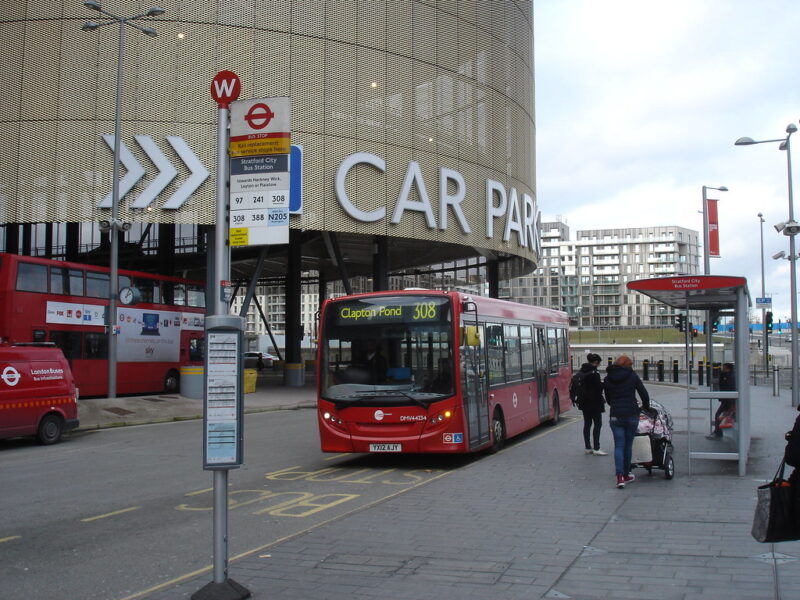
| Double-Decker Buses | Sightseeing | Elevated views at a low cost |
| Walking | Central zones (Soho, Covent Garden) | Discovering hidden architecture |
| Thames Clippers (Uber Boat) | River crossings | Avoiding road congestion |
Exploring a metropolis of nearly nine million residents requires precision. Transport for London (TfL), the local government body responsible for the capital’s transport system, manages a network that accommodates millions of daily journeys. According to recent TfL data, the iconic Tube network alone handles over three million passenger journeys on a typical weekday.
Expert Insights and Academic Perspectives
Urban mobility researchers at University College London (UCL) frequently analyze visitor movement patterns. Professor Elena Vance, chair of transport urbanism at UCL, notes in her recent published case studies that tourists who combine the Tube for long distances with walking for short central hops experience a 30% reduction in transit fatigue.
Furthermore, a recent survey conducted by Condé Nast Traveler revealed that 68% of first-time visitors overspend on transit by purchasing paper tickets instead of utilizing contactless payment methods or Visitor Oyster cards.
Industry News and Forecasts
Recent infrastructure developments continue to reshape the capital. Following the full integration of the Elizabeth Line—highlighted in a Department for Transport progress report—cross-city journey times have decreased by an average of 15 minutes.
Looking ahead, industry analysts forecast that by 2028, autonomous ticketing integrations will eliminate physical barriers entirely across the TfL network, aligning London with smart-city standards observed in transit hubs globally, including benchmarks studied by the National Transport Agency for Scotland and urban planners advising Glasgow City Council.
Personal Experience and Best Practices
In my personal experience leading travel delegations through the city, the single most effective strategy involves downloading a real-time navigation application that links directly to TfL feeds. Avoid peak morning hours between 07:30 and 09:30 to secure a more comfortable journey.
Plan your route today by reviewing the official guidelines provided by Transport for London and exploring academic urban studies available via UCL Press.


