


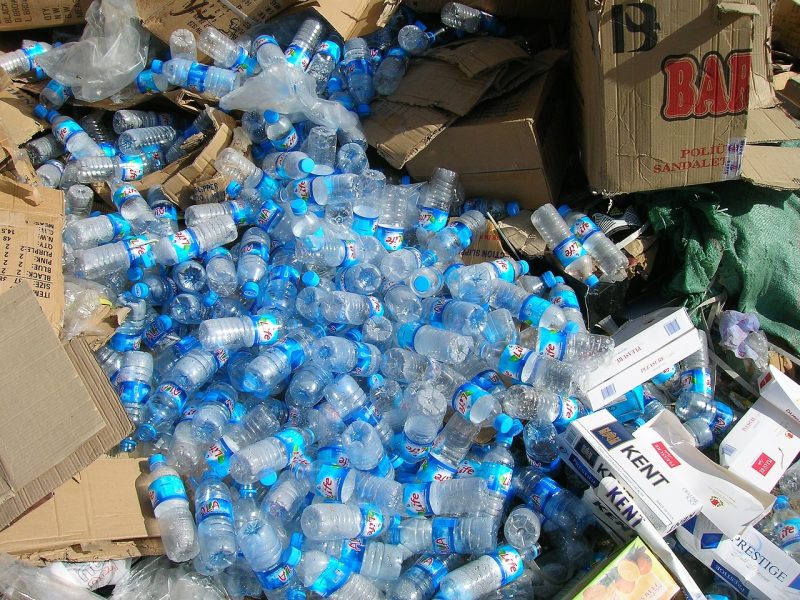
Accra, is a bustling hub of commerce, culture, and growth. But beneath the city’s energy lies a growing crisis: a deluge of plastic waste that threatens its environment, public health, and future. From overflowing landfills to plastic-choked waterways, the the capital of Ghana is grappling with the immense challenge of managing the ever-increasing flow of discarded plastics.
LAYERED PROBLEM
The problem is multifaceted. A rapidly growing population coupled with rising consumerism has led to a surge in plastic consumption. The lack of consolidated waste management infrastructure and collection services, particularly in informal settlements, exacerbates the issue. Often, plastics end up in open dumps, drainage channels, and ultimately, the ocean. This not only creates an unsightly and unsanitary environment but also contributes to serious health problems, including the spread of diseases carried by mosquitoes breeding in stagnant plastic-filled waters.
The ramifications go beyond aesthetics and public health. Marine ecosystems are threatened due to plastic debris contaminating coastal waters, which harms marine organisms and affects the fishing industry—a crucial source of income for many people in Ghana.
However, amidst this daunting challenge, a spirit of innovation and resilience is emerging in Accra. Local entrepreneurs, NGOs, and community-based organizations are stepping up to tackle the plastic crisis head-on, developing innovative solutions for waste management, recycling, and upcycling.
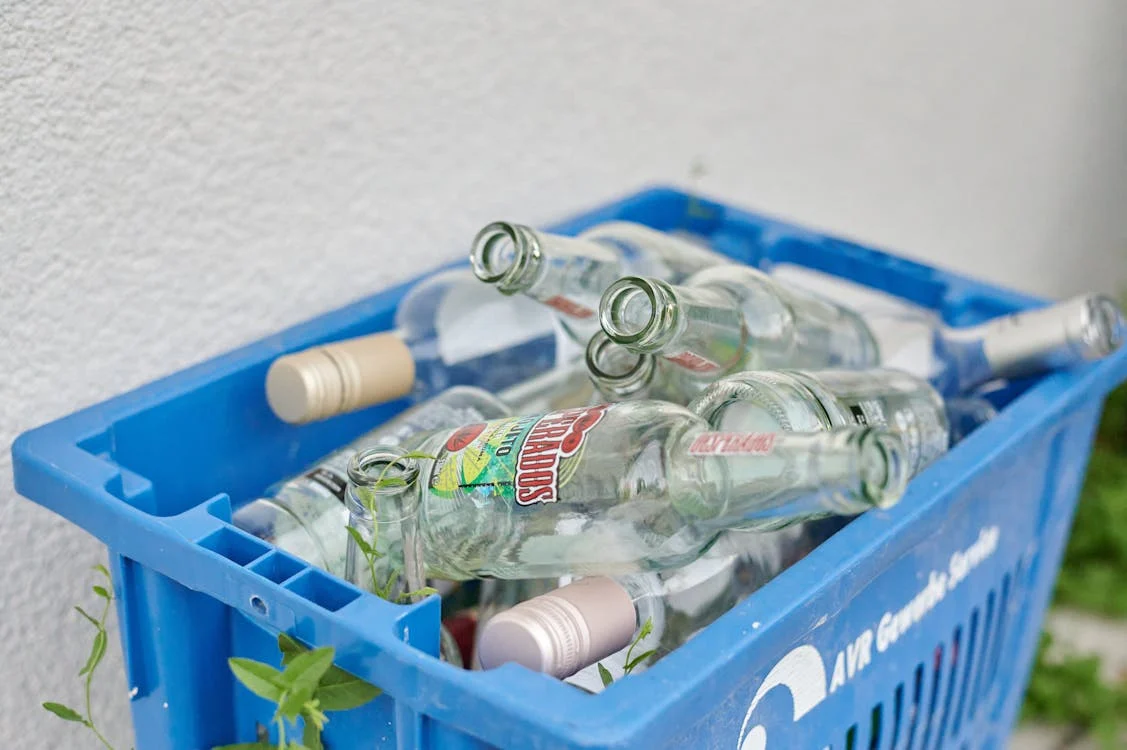

Transforming Waste into Valuable Resources: Creative Approaches in Accra
Several recycling companies are operating in Accra, collecting and processing plastic waste into raw materials for new products. These initiatives provide employment opportunities and reduce the amount of plastic ending up in landfills. Organizations like “Coliba” are using technology to connect households with recycling services, making it easier for residents to participate.
The Road Ahead: Scaling Up Solutions and Fostering Collaboration
While these innovative initiatives offer a glimpse of hope, scaling up their impact and addressing the root causes of the plastic crisis requires a concerted effort from all stakeholders. This includes:
- Strengthening Waste Management Infrastructure: Investing in improved waste collection, sorting, and recycling facilities is crucial to effectively manage the flow of plastic waste.
- Promoting Responsible Consumption: Encouraging consumers to reduce their plastic consumption, choose reusable alternatives, and properly dispose of waste is essential.
- Enacting and Enforcing Policies: Stricter regulations on plastic production and waste disposal, coupled with effective enforcement, can deter irresponsible behavior and promote sustainable practices.
By fostering innovation, investing in sustainable solutions, and promoting collaboration, the capital of Ghana can transform its plastic waste problem into an opportunity for economic growth, environmental protection, and a brighter future for its citizens. The future of Accra depends on its ability to embrace a circular economy and create a city that thrives in harmony with the environment.


