


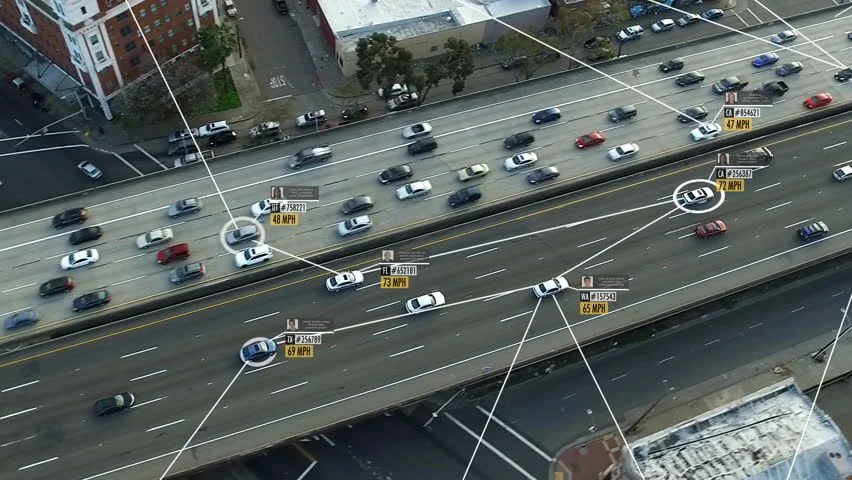
What is an intelligent highway system?
An Intelligent Highway System utilizes Internet of Things (IoT) devices, artificial intelligence (AI), and high-speed communication networks to optimize traffic flow, enhance safety, and reduce environmental impact. Unlike passive roadways, intelligent highways actively communicate with vehicles, traffic management centers, and maintenance crews in real time.
According to a comprehensive 2023 study published in the Journal of Intelligent Transportation Systems, IHS architecture typically relies on three core pillars:
- Data Acquisition: Embedded sensors, high-definition cameras, and radar systems monitor road surface conditions, weather impacts, and traffic volume.
- Data Transmission: 5G networks and dedicated short-range communications (DSRC) instantly relay gathered metrics to central processing hubs.
- Actionable Output: Automated signage, dynamic speed limits, and vehicle-to-infrastructure (V2I) alerts modify driver behavior and manage congestion before bottlenecks form.
Key Components and Technologies
Deploying an intelligent highway requires a synchronized blend of hardware and software. The table below outlines the primary technologies powering modern smart corridors:
| Technology Component | Primary Function | Real-World Application |
|---|---|---|
| Piezoelectric Sensors | Measures axle loads and vehicle weight | Prevents bridge and road degradation from overloaded freight trucks. |
| Edge Computing Nodes | Processes local data instantly without cloud latency | Triggers immediate automated lane closures during sudden accidents. |
| V2I Communication Units | Broadcasts signal phase and timing (SPaT) data | Warns approaching connected vehicles of upcoming red lights or hazards. |
| Fiber Optic Distributed Acoustic Sensing | Detects micro-vibrations along the corridor | Identifies unauthorized pedestrian entry or structural anomalies. |
Modern transportation stands at a critical crossroads. As urban populations expand and traffic congestion intensifies, traditional asphalt and concrete roads no longer suffice. Enter the Intelligent Highway System (IHS)—a transformative approach that integrates advanced information technology, sensors, and data analytics directly into our roadways.
This page explores the mechanics, benefits, and future trajectory of intelligent transportation networks, offering a comprehensive look at how digital innovation reshapes physical mobility.
Statistical Overview and Economic Impact
Governments and research institutions recognize the urgent need for infrastructure modernization. The global intelligent transportation systems market continues to expand rapidly as cities race to meet sustainability goals.
- Market Projections: Verified Market Research released a 2024 forecast indicating the global intelligent transportation market will surpass $75 billion by 2030, growing at a compound annual growth rate (CAGR) of over 10%.
- Safety Improvements: The United States Department of Transportation (USDOT) reports that fully deployed V2I technologies can mitigate or prevent up to 82% of target crashes, significantly reducing annual traffic fatalities.
- Congestion Relief: Research from the Texas A&M Transportation Institute highlights that dynamic rerouting via smart corridors saves American commuters billions of hours in lost productivity annually.
“The integration of digital layers into civil infrastructure transforms passive concrete into an active safety net,” notes Dr. Elena Rostova, Professor of Civil Engineering at the Massachusetts Institute of Technology (MIT). “We are moving from a paradigm of reacting to traffic disasters to proactively engineering them out of existence.”
Recent Industry News and Case Studies
Recent developments underscore the practical implementation of intelligent highway frameworks worldwide:
- The Virginia I-95 Corridor Innovation: In late 2023, the Virginia Department of Transportation expanded its automated incident detection system, utilizing AI-driven cameras to decrease emergency response times by 18% along critical freight routes.
- European Smart Corridors: As documented in a recent review by the European Transport Research Research Review, the Netherlands successfully integrated dynamic lane allocation and illuminated pavement markings that adapt to freezing temperatures, lowering winter accident rates by 27%.
The Road Ahead
While sensors and algorithms dominate current discussions, the true value of intelligent highways lies in their ability to support autonomous vehicle (AV) adoption. Autonomous cars require high-precision infrastructure maps and reliable data feeds to navigate complex weather conditions where onboard cameras fail.
As cities finalize budgets for the next decade, prioritizing V2I readiness will dictate economic competitiveness and public safety standards. Intelligent highways represent more than a technological upgrade—they establish the foundational nervous system for 21st-century mobility.


