


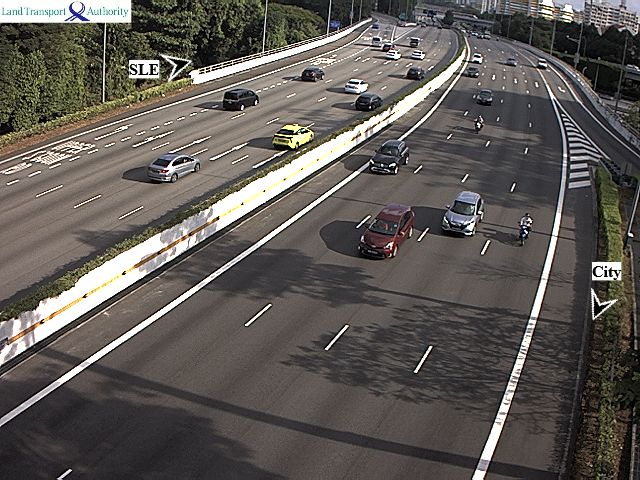
Intelligent Traffic Systems (ITS) represent a pivotal advancement in managing the complexities of modern transportation. As urban populations grow and vehicle numbers surge, cities face unprecedented challenges with congestion, safety, and environmental impact. ITS offers smart, data-driven solutions. This article explores key Intelligent Traffic Systems examples, demonstrating their profound impact on creating more efficient, safer, and sustainable urban environments.
What Are Intelligent Traffic Systems (ITS)?
Intelligent Traffic Systems integrate information and communication technologies with transportation infrastructure to enhance safety, improve travel times, and reduce traffic congestion. These sophisticated systems collect, process, and distribute real-time data, enabling proactive traffic management and informed decision-making for both authorities and travelers. Fundamentally, ITS transforms traditional roadways into dynamic, responsive networks.
Key Intelligent Traffic Systems Examples in Action
Numerous ITS examples illustrate the breadth and effectiveness of these technologies. They address various facets of traffic management.
Adaptive Traffic Signal Control
Adaptive traffic signal control systems dynamically adjust signal timings based on real-time traffic demand. Sensors, cameras, and vehicle detectors monitor traffic volumes and flow at intersections. The system then optimizes signal phases to minimize wait times and maximize throughput. For instance, if heavy traffic builds up on one approach, the system extends its green light, significantly improving traffic flow optimization and reducing idle time.
Integrated Corridor Management (ICM)
ICM takes a holistic approach to traffic management by coordinating operations across an entire transportation corridor, encompassing freeways, arterial roads, and public transit. This smart traffic solution uses advanced algorithms to predict congestion and proactively manage incidents. When an accident occurs on a freeway, an ICM system can automatically adjust ramp meters, update variable message signs, and coordinate with public transit providers to divert traffic or offer alternative routes, effectively mitigating widespread delays.
Advanced Traveler Information Systems (ATIS)
ATIS provides drivers and commuters with real-time information about traffic conditions, incidents, road closures, and alternative routes. Users access this data through various channels, including smartphone apps, in-vehicle navigation systems, highway signs (Variable Message Signs – VMS), and radio broadcasts. By empowering travelers with timely information, ATIS helps them make informed decisions, reducing frustration and contributing to overall congestion relief.
Connected and Autonomous Vehicle Technologies
While still evolving, connected and autonomous vehicle (CAV) technologies form a crucial component of future ITS. Vehicle-to-Infrastructure (V2I) and Vehicle-to-Vehicle (V2V) communication allow vehicles to share data with each other and with roadside infrastructure. This connectivity enhances safety by warning drivers of potential hazards, optimizes traffic flow through coordinated movements, and facilitates autonomous driving capabilities. These innovations promise to revolutionize urban mobility.
Electronic Toll Collection (ETC) and Smart Parking Systems
Electronic Toll Collection systems enable vehicles to pay tolls without stopping, using transponders or license plate recognition. This technology significantly reduces traffic bottlenecks at toll plazas. Similarly, smart parking systems utilize sensors and real-time data to guide drivers to available parking spaces, often integrating with mobile apps. Both examples streamline journeys, minimize search times, and directly contribute to more efficient traffic management technology.
The Future of Urban Mobility
These Intelligent Traffic Systems examples demonstrate how technology actively shapes more efficient and safer transportation networks. As cities continue to grow, the integration of advanced ITS will become even more critical for sustainable development and improved quality of life. Embracing these innovations allows communities to build smarter, more responsive infrastructures that address the complexities of modern travel effectively.


