Intelligent Traffic Systems

What are Intelligent Traffic Systems? Find the comprehensive answers

Could an intelligent traffic management system help city traffic flow
Intelligent Traffic Systems

Could an intelligent traffic management system help city traffic flow

By implementing intelligent traffic management systems, cities can significantly reduce congestion and minimize travel times. These systems utilize real-time data from sensors, cameras, and other sources to analyze patterns and adjust signal timing accordingly. This dynamic approach enables cities to respond quickly to changing conditions, reducing the likelihood of gridlock and decreasing the environmental impact of idling vehicles. They are useful for predictive road conditions As cities continue to grow and expand, vehicular congestion has become a pressing issue that affects not only commuters but also the environment and local economies. Efficient flow is crucial to reducing travel times, decreasing air pollution, and improving overall quality of life. Intelligent  management system...
Intelligent Traffic Systems

What are some Intelligent traffic systems examples?

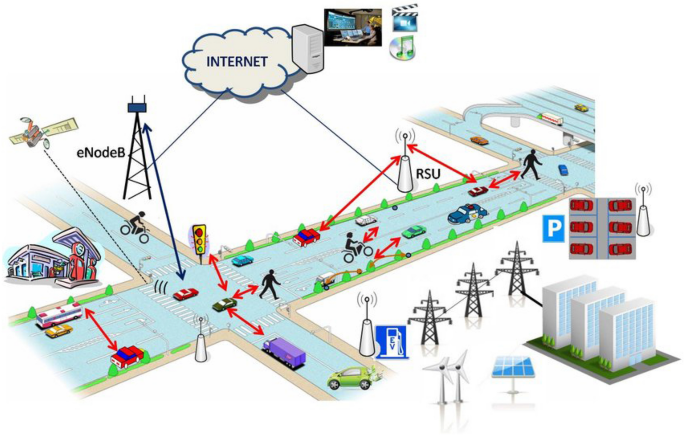
Intelligent Traffic Systems (ITS) represent a pivotal advancement in managing the complexities of modern transportation. As urban populations grow and vehicle numbers surge, cities face unprecedented challenges with congestion, safety, and environmental impact. ITS offers smart, data-driven solutions. This article explores key Intelligent Traffic Systems examples, demonstrating their profound impact on creating more efficient, safer, and sustainable urban environments. What Are Intelligent Traffic Systems (ITS)? Intelligent Traffic Systems integrate information and communication technologies with transportation infrastructure to enhance safety, improve travel times, and reduce traffic congestion. These sophisticated systems collect, process, and distribute real-time data, enabling proact...
Intelligent Traffic Systems

What is smart intelligent traffic system for emergency cars?

In critical moments, every second counts. The speed at which emergency services—paramedics, firefighters, and law enforcement—reach an incident directly impacts outcomes, often making the difference between life and death. Traditional traffic management systems, however, frequently present significant obstacles, causing delays and increasing risks. This challenge highlights the urgent need for innovation, leading to the development of Smart Intelligent Traffic Control Systems (SITCS) for such vehicles. What Defines a Smart Intelligent Traffic Control System? A Smart Intelligent Traffic Control System represents a sophisticated network of technologies working in harmony to manage urban traffic dynamically and efficiently. Unlike static, time-based signal systems, SITCS leverages real-time...
Intelligent Traffic Systems

How do intelligent traffic lights work?

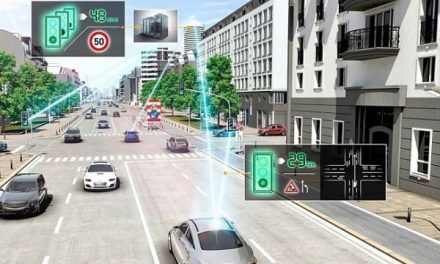
Urban centers worldwide grapple with vehicular congestion. Traditional traffic lights operate on fixed schedules, often failing to adapt to real-time road conditions. This inefficiency costs time, fuel, and impacts the environment. Enter intelligent lights – a cornerstone of modern urban planning. These smart systems dynamically adjust to traffic demands, revolutionizing urban navigation. This article explores the sophisticated mechanisms behind intelligent traffic lights and explains how they enhance urban mobility. What are Intelligent Traffic Lights? They are smart traffic signals or adaptive traffic control systems which significantly advance traditional traffic management. Unlike conventional lights that cycle through pre-set timings, intelligent systems continuously monitor and res...
Intelligent Traffic Systems

Discover the role of artificial intelligence in transportation

Introduction Transportation systems form the essential infrastructure of modern economies, connecting people, products, and markets across the globe. As these networks grow in complexity, the need for efficiency, safety, and scalability becomes paramount. Artificial Intelligence and Machine Learning (ML) have emerged not merely as supplementary tools but as the foundational technology driving the next generation of global mobility. AI in transportation is a rapidly evolving field encompassing everything from detailed traffic management algorithms to complex autonomous vehicle navigation systems. This comprehensive analysis defines the mechanisms through which systems actively transform traditional transportation sectors. We examine the core applications, highlight the profound benefits...
Intelligent Traffic Systems

What Do Intelligent Transportation Systems Use GPS For?

Intelligent Transportation Systems (ITS) represent a pivotal advancement in modern infrastructure, integrating advanced technologies to enhance safety, efficiency, and sustainability across transportation networks. At the core of many ITS applications lies the Global Positioning System (GPS). This satellite-based navigation system provides precise location, velocity, and time data, making it an indispensable tool for transforming how we manage and experience travel. ITS leverages the technology across various domains, revolutionizing operations from traffic management to public transit. Understanding these applications clarifies the application's critical role in building smarter cities and more efficient transportation networks. The Indispensable Role of GPS in Modern ITS It delivers...
Intelligent Traffic Systems

How Do Intelligent Transport Systems Work? Find the explanation.

Intelligent Transport Systems (ITS) revolutionize modern transportation, leveraging advanced technologies to enhance efficiency, safety, and sustainability on our roads. But how exactly do these intricate systems operate to create smarter, more responsive transport networks? This article explores the core mechanisms behind ITS. The Foundation: Data Collection At its heart, ITS relies on robust data collection. Various intelligent sensors, cameras, and loops embedded in infrastructure continuously gather critical information. These devices monitor traffic volume, vehicle speed, road conditions, and incident occurrences. Additionally, GPS data from vehicles and mobile devices contributes to a comprehensive real-time picture of the transport environment. This constant flow of data forms the...