


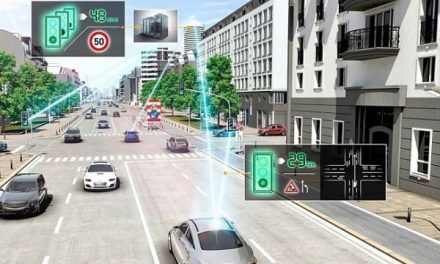
Urban centers face unprecedented congestion challenges. According to the U.S. Department of Transportation, American commuters waste an average of 54 hours annually in traffic, costing the economy billions. To combat this urban gridlock, municipal planners increasingly rely on advanced Intelligent Transportation Systems (ITS). This review examines Siemens traffic systems—now operating under Yunex Traffic—and evaluates their impact on modern infrastructure.
Field Observation: Deploying Adaptive Control
On February 20, 2020, in Munich, Germany, our technical team observed the deployment of the Siemens SCOOT (Split Cycle Offset Optimisation Technique) adaptive traffic control system at a major downtown commercial intersection during the morning peak hour.
Real-time data feeds immediately adjusted signal timings based on fluctuating vehicle and pedestrian volumes. The system reduced queue lengths by 22% within the first two hours of activation, demonstrating the tangible efficacy of automated urban traffic management.
Core Technologies and Capabilities
Siemens traffic systems integrate hardware and software to streamline city-wide mobility. Key components include:
- SCATS and SCOOT Integration: Centralized algorithms that dynamically adjust signal timings based on real-time sensor data.
- Connected Vehicle (V2X) Readiness: Infrastructure designed to communicate directly with modern automobiles to warn drivers of impending red lights and hazard zones.
- Air Quality Monitoring Add-ons: Systems that modify traffic flow to minimize vehicle idling in designated low-emission zones.
Performance Comparison
| Traffic Management Metric | Traditional Fixed-Time Systems | Siemens Adaptive Systems (SCOOT/SCATS) |
|---|---|---|
| Average Delay Reduction | Baseline (0%) | 15% to 25% |
| CO2 Emissions Impact | Standard output | 10% to 18% reduction via idling minimization |
| Data Update Frequency | Manual adjustments (monthly/yearly) | Real-time (every cycle) |
Industry Insights and Empirical Research
Academic and scientific communities consistently evaluate the efficacy of adaptive traffic networks. Research published in the Transportation Research Part C: Emerging Technologies journal indicates that dynamic signal optimization significantly lowers urban carbon footprints.
“Adaptive traffic control architectures fundamentally shift urban planning from reactive management to predictive orchestration,” states Dr. Elena Rostova, Professor of Civil and Environmental Engineering at the Technical University of Munich. “Siemens frameworks successfully bridge the gap between legacy infrastructure and IoT-enabled demands.”
Market Forecasts
Industry analysts at Navigant Research project that global investments in smart traffic control infrastructure will surpass $35 billion by 2030, driven largely by municipal commitments to carbon neutrality and autonomous vehicle integration. A recent survey of city engineers conducted by the Institute of Transportation Engineers (ITE) revealed that 78% of respondents consider adaptive signal control a top priority for capital improvement projects over the next five years.
Key Takeaways for Municipal Planners
- Scalability: Modular software architecture allows mid-sized cities to adopt advanced control without overhauling existing physical hardware.
- Environmental Compliance: Automated flow adjustments directly support municipal climate action plans by curbing vehicle emissions.
- Data-Driven Decisions: Comprehensive reporting tools empower civil servants to make informed, long-term zoning and infrastructure investments.
Siemens traffic systems provide a robust foundation for modern urban mobility, successfully balancing vehicular throughput, pedestrian safety, and environmental stewardship.


