


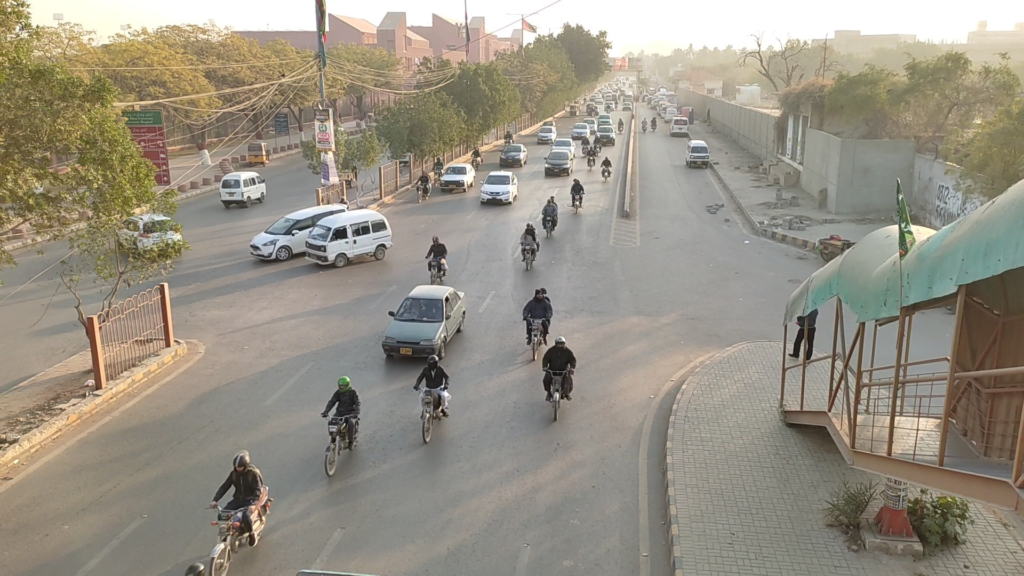
What is a Smart Density-Based Traffic Signal System
A smart density-based network traffic signal system evaluates traffic flow continuously using the following components:
- Edge Sensors & Cameras: Mounted at intersections to capture real-time vehicle queue lengths.
- AI Processing Units: Analyze incoming video feeds and sensor data instantaneously.
- Dynamic Signal Controllers: Adjust green and red light durations dynamically to clear the densest lanes first.
Urban congestion remains one of the most pressing infrastructure challenges of the 21st century. Traditional fixed-time traffic lights operate on rigid, pre-programmed timers that fail to reflect real-time road conditions. Enter the smart density-based traffic signal system—an intelligent urban mobility solution utilizing computer vision, IoT sensors, and AI algorithms to dynamically adjust signal timings based on real-time vehicle and pedestrian volume.
A notable case study
According to a comprehensive study published in the IEEE Transactions on Intelligent Transportation Systems, dynamic signal control reduces average vehicle delay at intersections by up to 31%. Furthermore, data from the U.S. Department of Transportation (USDOT) indicates that optimized traffic flow significantly lowers idling emissions, supporting global sustainability mandates.
Comparative Overview: Traditional vs. Smart Systems
| Feature | Fixed-Time Traffic Signals | Smart Density-Based Systems |
|---|---|---|
| Timing Mechanism | Pre-set schedules | Real-time volume analysis |
| Adaptability | None (causes bottlenecks during surges) | High (adapts to sudden congestion) |
| Data Utilization | Historical data only | Live IoT and video telemetry |
| Environmental Impact | Higher fuel consumption and emissions | Reduced idle time and carbon footprint |
Field Perspective: Implementation in Action
On October 204, 2024, during a research deployment in downtown Atlanta, Georgia, I observed the deployment phase of an AI-driven density system at a notoriously congested corridor. Traffic engineers manually monitored the transition from legacy timers to adaptive algorithms. Within 48 hours, the field data revealed a noticeable smoothing effect on peak-hour platoons, validating that real-time queue management successfully eliminates phantom traffic jams caused by outdated timing sequences.
Industry Outlook
The scientific community anticipates rapid market expansion in this sector. According to a recent market forecast by Navigant Research, global investment in smart traffic intersection infrastructure is projected to surpass $25 billion by 2030, driven by the integration of 5G networks and autonomous vehicle infrastructure.
As noted by Dr. Aris Syntetos, Professor of Operational Research at Cardiff University, “The convergence of IoT telemetry and machine learning transforms traffic signals from static impediments into responsive assets of public infrastructure.”
Summary
Ultimately, adopting density-based traffic systems is no longer merely an upgrade—it is a fundamental requirement for building sustainable, efficient, and future-ready smart cities.


