


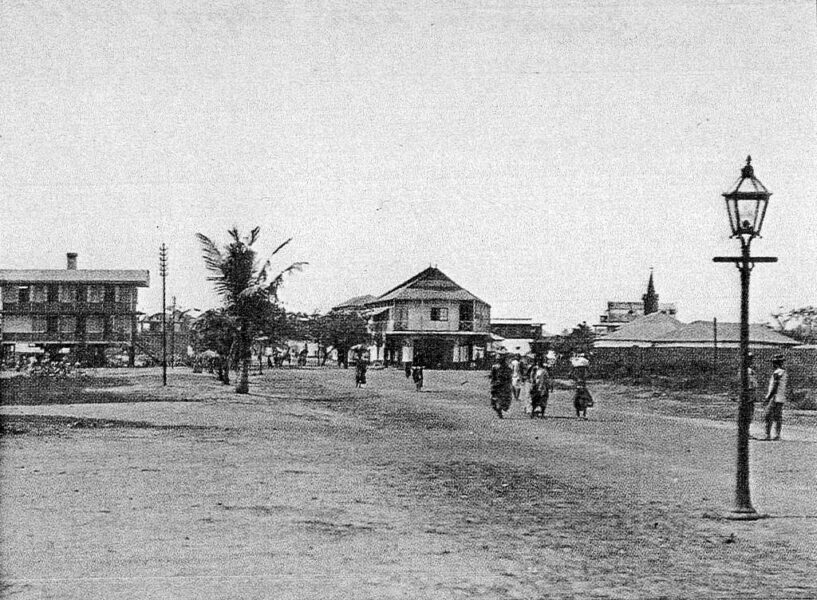
Accra. The name itself rolls off the tongue with a certain rhythm, evoking images of bustling markets, historic castles, and the cosmopolis of Ghana’s capital. But who, named Accra city? Unlike many modern settlements given names by explorer or decree, Accra’s designation is a journey through history, linguistics, and the collective memory of its earliest inhabitants.
HOW THE CITY OF ACCRA GOT ITS NAME
The Ga people, the native ethnic group of the Accra Plains, are the subject of the most generally recognized and historically sound theory. When these settlers first arrived in the area, likely sometime in the 16th or 17th century, they observed a significant natural phenomenon: the abundance of a particular type of ant. These ants, known for their large colonies, disciplined movements, and overwhelming numbers, inspired the Ga to call the area “Nkran” or “Nkra”, which literally translates to “ants.”
This seemingly simple name carried profound symbolic weight. The Ga themselves were a migrating people seeking to establish a new home, and the ants likely served as a powerful metaphor for their own growing community. Like the ants, they were numerous, industrious, and moved with a collective purpose. Some historians even suggest the name might have reflected their military strategy – overwhelming their adversaries like a swarm of ants – or simply the sheer density of their early settlements, mirroring an anthill. It was a name born of observation and self-identification, not of a singular, conscious act of naming by an individual.

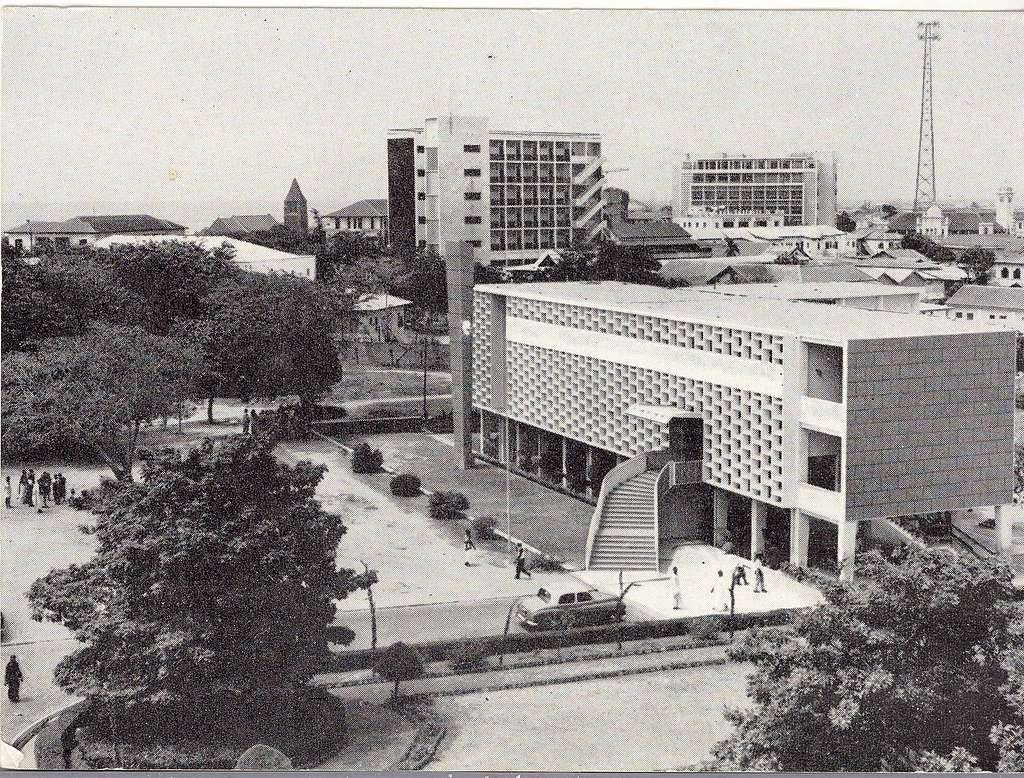
THE CITY OVER THE YEARS
The transformation from “Nkran” to “Accra” is a fascinating tale of linguistic adaptation, primarily driven by European interaction. As Portuguese, Dutch, Danish, and later British traders and colonizers established forts and trading posts along the Gold Coast, they struggled with the pronunciation of the local Ga term. Each European power attempted to transliterate “Nkran” into their own language.
The Portuguese, among the first Europeans to arrive, likely rendered it something akin to “Acra” or “Acará.” The Dutch followed suit, and eventually, the English, who became the dominant colonial power, standardized the spelling to “Accra,” a form that was easier for European tongues to pronounce and record. Over time, this anglicized version became the official and internationally recognized name, overshadowing the original Ga pronunciation in common usage, though “Nkran” is still understood by Ga speakers today.
THE FINAL TAKE
So, who named Accra? It was the Ga people collectively, drawing inspiration from the natural world around them and finding a powerful reflection of their societal values in the humble ant. Their descriptive term, “Nkran,” then underwent a process of linguistic evolution and modification at the hands of European traders, resulting in the capital we know today – a name that, at its heart, speaks of multitude, industry, and the enduring spirit of its people.


