


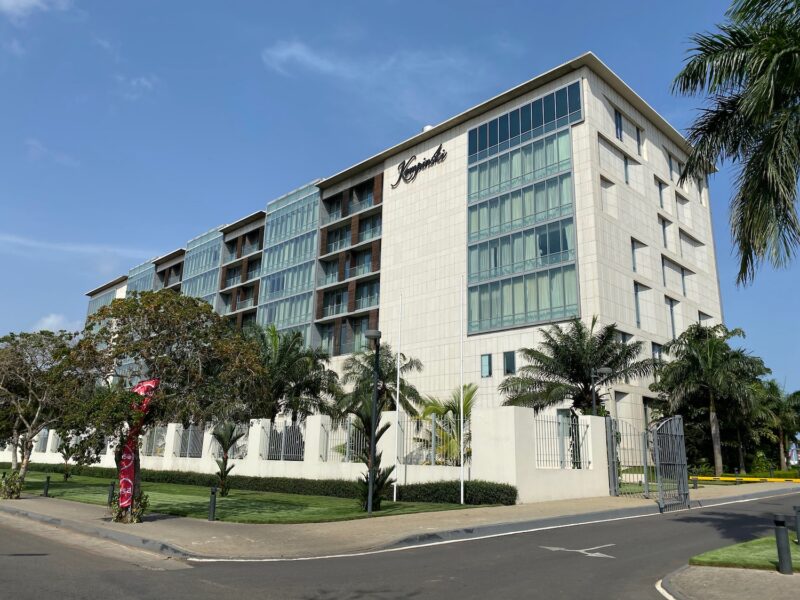
“How many areas are in Accra?” It sounds like a straightforward question, one that might elicit a simple numerical answer. Yet, for anyone who knows Ghana’s bustling capital, the true response is far more nuanced, reflecting the city’s dynamic growth, rich history, and diverse tapestry of life. To attempt a single, definitive number would be to misrepresent the very essence of Accra.
UNDERSTANDING THE DEFINITION
The challenge lies in defining what an “area” truly means. Does one mean officially demarcated administrative districts? Historically significant neighborhoods? Or the countless informal communities that have sprung up organically over decades, each with its own distinct character and local identity? Each interpretation yields a different count, none fully encompassing the whole.
STATE DEMARCATIONS
The Accra Metropolitan Assembly (AMA) serves as the administrative center of Accra, although it is encircled by and connected to several other sister municipal and district assemblies. The areas in Accra include, but are not limited to, Ga West, Ga East, Adenta, Ledzokuku, La-Nkwantanang-Madina, Krowor, and more. Each of these assemblies further subdivides into electoral areas and local councils. If you stack these up, the official count of administrative units is substantial, easily running into dozens of major assemblies and hundreds of smaller electoral areas. But these are political boundaries, not necessarily the “areas” people live in and identify with daily.
The real magic and complexity of Accra emerge when you consider its culturally, historically, and socially distinct locales. Contrast these with the vibrant commercial hub of Osu, buzzing with restaurants and nightlife, or the diplomatic tranquility of Cantonments. Then you have the bustling markets and residential sprawl of Makola, Adabraka, Kaneshie, and Lapaz. The high-energy, densely populated areas like Nima and Maamobi offer a unique flavor, distinct from the sprawling, planned communities of East Legon or Spintex. Further out, townships like Madina, Dome, and Weija act almost like independent mini-cities, each with its own character and micro-economy, yet inextricably linked to the greater Accra urban fabric. Each of these carries a distinct identity, a specific vibe, and a community spirit that defines it. Are these “areas”? Absolutely. And there are scores of them.

RAPID DEVELOPMENT OF THE CITY
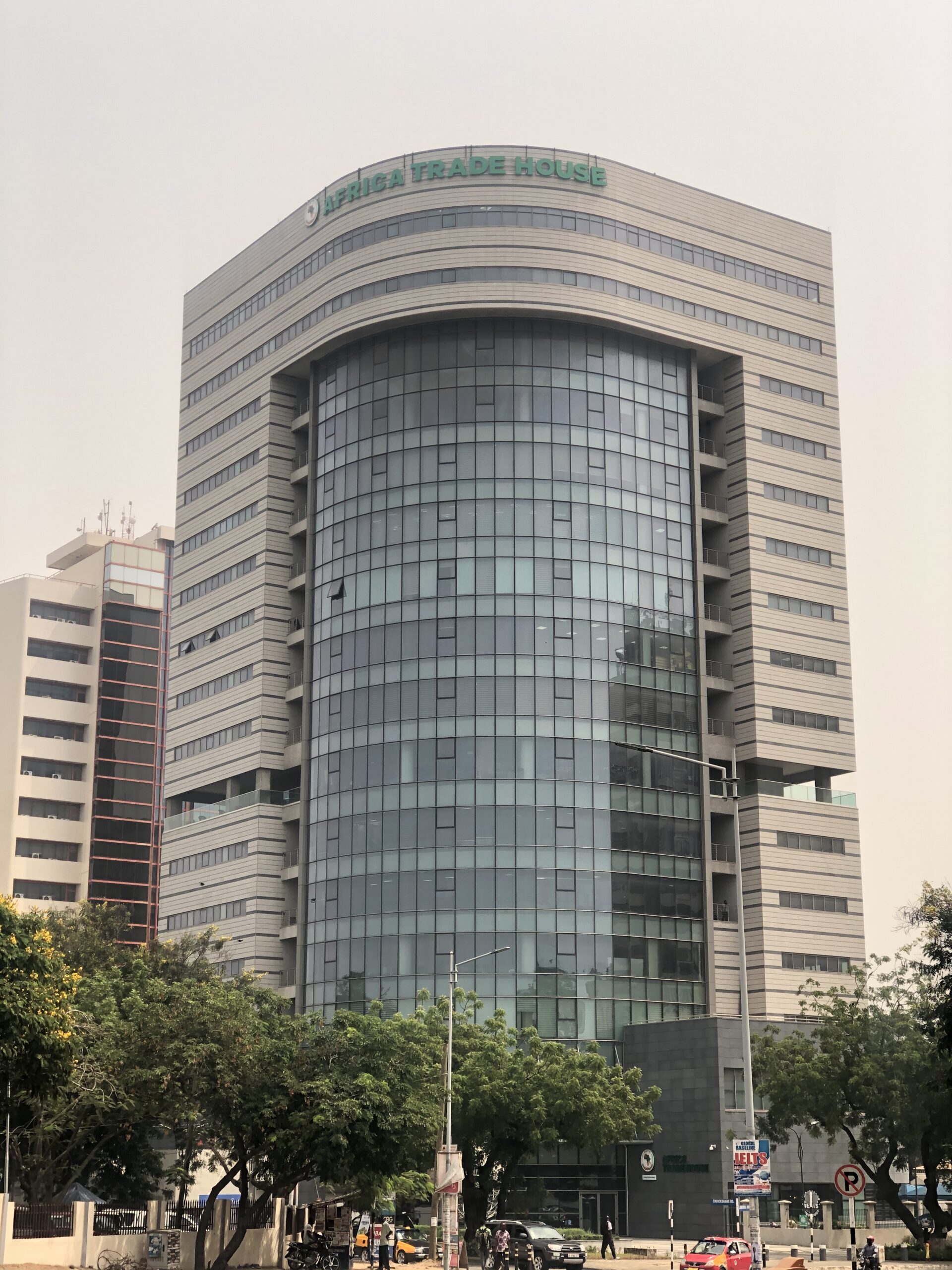
Accra is a city in constant motion. New estates are developed, informal settlements evolve into recognized neighborhoods, and what was once a quiet suburb rapidly transforms into a commercial capital. This organic growth means any fixed count would be outdated almost as soon as it’s published. The city’s population growth and internal migration ensure this dynamic state persists.
So, how many areas are in Accra? The most honest answer is: countless, or perhaps more aptly, ever-evolving. It’s not a number one can easily pin down on a map. It’s a city of a thousand districts, a million stories, and an infinite number of places to discover – each an “area” in its own right, waiting to be explored.


