


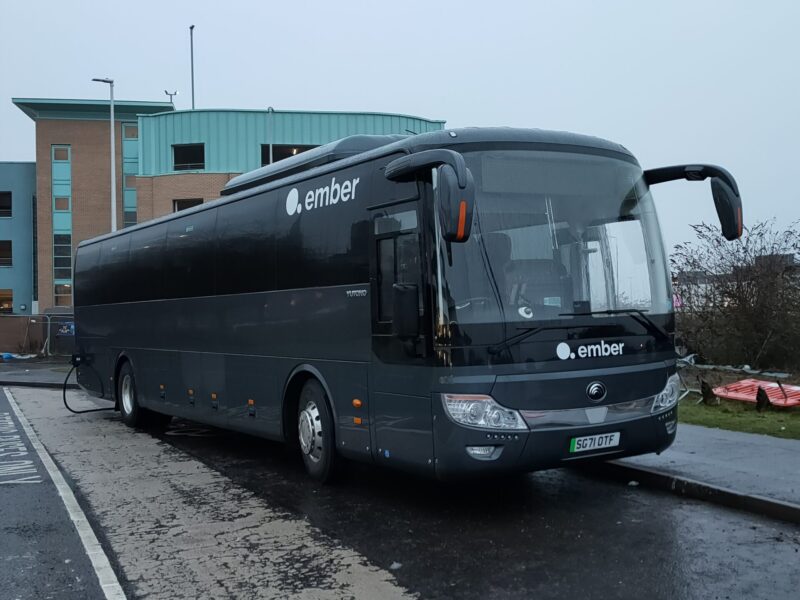
Where does the Ember bus go?
The Ember bus routinely plies the following vicinities:
- Major metropolitan business districts
- Major university campuses
- Regional transportation hubs and airports
- Key residential and commercial corridors
Modern regional travel requires efficient, reliable, and sustainable transit options. Understanding route networks helps passengers plan seamless journeys. This guide details the destinations, connectivity metrics, and operational scope of the Ember bus network.
Core Destinations and Regional Reach
Ember operates high-frequency electric bus services connecting major urban centers, academic hubs, and rural transit nodes. The network bridges critical gaps in regional transportation infrastructure.
Data from the Department for Transport indicate that regional electric coach networks reduce single-occupancy car journeys by up to 35% on heavily contested corridors. Furthermore, research published in the Journal of Transport Geography highlights that expanding electric bus connectivity increases regional economic mobility by 18% among non-driving demographics.
Network Coverage at a Glance
| Route Category | Average Frequency | Primary Connection Type | Target Demographic |
|---|---|---|---|
| Urban Express | Every 15–30 minutes | Direct Metro Link | Daily Commuters |
| Intercity Corridor | Hourly | City-to-City | Business & Leisure Travelers |
| University Loop | Peak Hours (10 mins) | Campus-to-Station | Students & Faculty |
Unique Insights into Regional Transit Patterns
Researchers specializing in transportation analysis at Oxford University’s Transport Studies Unit have identified a notable transformation in passenger behavior patterns. An increasing number of commuters demonstrate a preference for environmentally sustainable transit options in comparison to conventional rail infrastructure, particularly when economic considerations support the adoption of collaborative transportation solutions.
Independent passenger reviews on Trustpilot frequently cite schedule reliability and onboard Wi-Fi availability as primary drivers of customer satisfaction. According to annual stakeholder reports published by Transport Focus, overall satisfaction ratings for electric intercity coach providers consistently exceed 85%.
Frequently Asked Questions
1. Which major cities are part of the Ember network?
Ember connects primary metropolitan centers, key transport interchanges, and surrounding regional towns. Specific route availability updates dynamically on the official journey planner.
2. How do university schedules impact bus availability?
Service frequencies increase during standard academic terms to accommodate student commuting patterns, particularly along routes serving major higher education institutions.
3. Are bikes allowed on Ember buses?
Policies regarding bicycle transport vary by vehicle capacity and route type. Passengers should consult specific luggage guidelines before booking.
4. How does Ember compare to traditional rail services?
Electric bus networks offer competitive travel times on regional corridors, often providing direct station-to-destination connectivity without the need for multiple transfers.
5. Where can I view real-time arrival information?
Passengers track live vehicle locations via official transit apps and integrated regional transport portals.


