


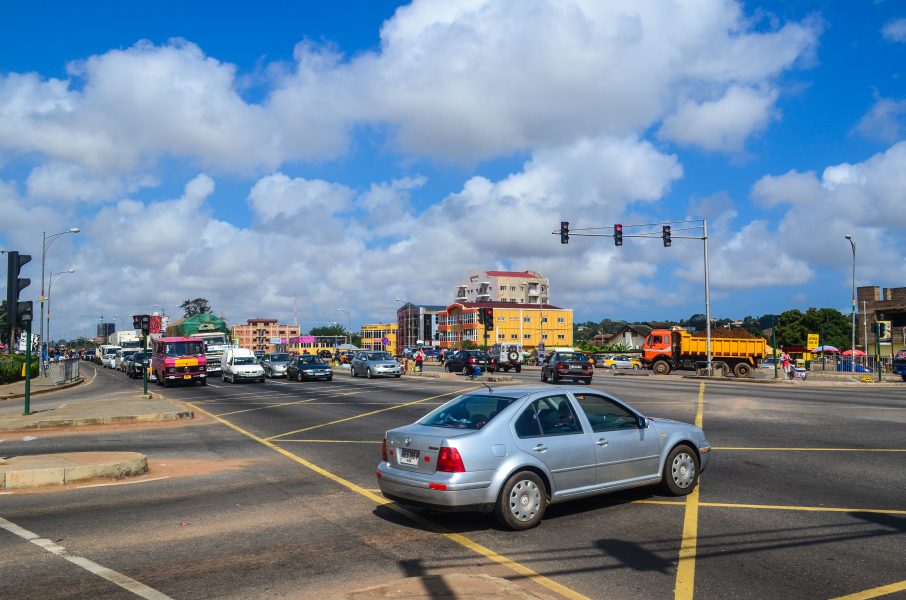
Accra, the ever burgeoning capital of Ghana, is a melting pot of cultures, ethnicities, and, of course, languages. Understanding the linguistic landscape requires a nuanced approach, as it’s far more complex than simply identifying one. This article aims to dissect the various dialects spoken, exploring their origins, prevalence, and significance in the city’s daily life.
The Official Language is English
Ghana, a former British colony, adopted English as its official medium after gaining independence. Consequently, English is widely used, particularly in:
- Government: Official documents, legal proceedings, and parliamentary debates are conducted in English.
- Education: English is the primary mode of instruction from the upper primary level onwards.
- Business: Corporate communications, international trade, and many local businesses utilize English.
- Media: News broadcasts (both television and radio), newspapers, and online publications often use English.
- Tourism: English serves as a common grounds for interacting with tourists.
While English is crucial for formal settings and upward mobility, it’s essential to understand that it is not necessarily the speech spoken at home or in everyday social interactions for the majority of residents.
The Akan Group
What Language Do They Speak in Accra? The Akan group is the most widely spoken in Ghana, and it significantly impacts the linguistic environment. Within the Akan group, two major dialects stand out: Twi and Fante in the capital of Ghana..
These two are arguably the most prominent indigenous one that ispoken. Its widespread use stems from the migration of people from the Ashanti Region and other Twi-speaking areas to the capital city. Asante Twi and Akuapem Twi are the most frequently encountered dialects.
Significance in the city:
- Markets: Commonly used in marketplaces, where vendors and customers negotiate prices and conduct transactions.
- Transport: Tro tro drivers (shared taxis) and taxi drivers frequently usedto communicate with passengers.
- Social Gatherings: Often the choice in social gatherings, family events, and community meetings.
- Religious Services: Many churches there conduct services, catering to the large Akan-speaking population.
- Fante: Fante is also present, particularly among those who have migrated from the Central Region of Ghana.
Significance of Fante in the metropolis:
- Coastal Communities: In the coastal areas, where fishing is a primary occupation, Fante is more prevalent.
- Cultural Events: Fante is often used during traditional ceremonies and festivals celebrated by people of Fante origin.
Ga People
The capital is the traditional homeland of the Ga people, and their language, Ga, holds immense cultural and historical significance. Although its prevalence has been somewhat overshadowed by the dominance of Twi and English, Ga remains a vital part of the settlement’s identity.
Significance of Ga in there:
Traditional Authority: Ga is used in traditional ceremonies, chieftaincy affairs, and interactions with Ga traditional leaders.
Place Names: Many places retain their original Ga names, reflecting the city’s history.
Cultural Preservation: Efforts are underway to promote and preserve the Ga language, including its use in schools and the media.
Community Identity: Speaking Ga helps to maintain a strong sense of community among the Ga people.
Other Ghanaian Languages
Accra is home to speakers of numerous other Ghanaian languages, reflecting the diverse ethnic makeup of the city. Some of these include:
Ewe: Primarily spoken in the Volta Region, Ewe is also present due to migration and internal movement.
Dagbani: Spoken in the Northern Region, Dagbani speakers can be found within the migrant communities.
Hausa: As a lingua franca in West Africa, Hausa speakers can be found, often involved in trade and commerce.
Foreign Languages
As a major international hub, the capital of Ghana also sees the presence of various foreign languages, primarily driven by diplomatic missions, international organizations, and business ventures. Common foreign languages include:
- French: Due to Ghana’s proximity to French-speaking countries, French is frequently encountered, particularly in business and diplomacy.
- Chinese: Growing economic ties with China have led to an increase in Chinese speakers.
- Other European Languages: Spanish, German, and Italian may also be heard, albeit less frequently, due to tourism, business and international relations..
The Linguistic Challenges and Opportunities
Challenges:
Communication Barriers: Differences can sometimes create communication barriers,
Educational Disparities: When it comes to studying? Students who do not speak English fluently may face challenges in the education system.
Marginalization: Speakers of minority languages may sometimes feel marginalized in certain social and professional settings.
Opportunities:
- Cultural Enrichment: Multilingualism enriches the cultural landscape, fostering diversity and understanding.
- Economic Advantages: Knowledge of multiple languages can provide individuals with a competitive edge in the job market, especially in international business and tourism.
- Cognitive Benefits: Studies have shown that bilingualism and multilingualism can enhance cognitive abilities, such as problem-solving and multitasking.
Efforts to Promote Indigenous Languages
Recognizing the importance of preserving and promoting indigenous languages, various organizations and institutions in Ghana are undertaking initiatives such as:
- Education: Incorporating Ghanaian languages into the school curriculum.
- Media Content: Producing radio and television programs in local languages.
- Literary Works: Encouraging the publication of books and other literary works in Ghanaian languages.
- Documentation: Documenting and preserving endangered languages.
Key takeaways
The linguistic landscape of the capital of Ghana is a vibrant and complex tapestry woven from various threads. While English serves as the official language, Twi, Ga, and other Ghanaian languages play crucial roles in shaping the city’s cultural identity and social interactions. Understanding the diverse linguistic environment provides valuable insights into its history, culture, and the daily lives of its residents.
As the capital continues to evolve as a major economic and cultural hub, the preservation and promotion of its indigenous languages will be essential for maintaining its unique identity and fostering inclusivity for all its residents. The future linguistic landscape hinges on embracing multilingualism and celebrating the richness of its diverse linguistic heritage.


