


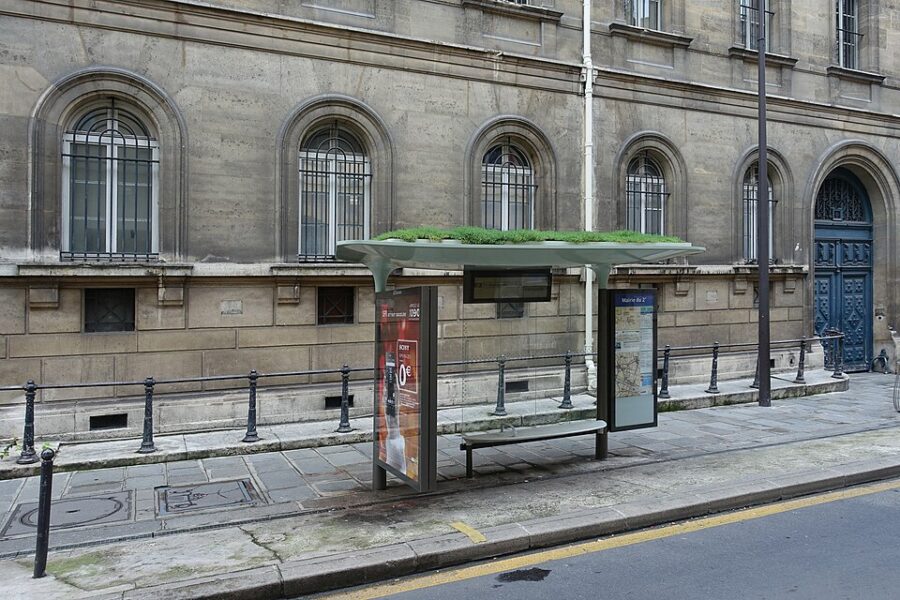
Bus stops come in many shapes, sizes, and locations. Understanding the variety helps riders plan trips more efficiently and enables municipalities to design a transit network that serves the community’s needs. Below, we outline the most common bus-stop configurations, describe their key characteristics, and explain when each type works best.
1. Curbside (On-Street) Stops
A single point on the roadway where the bus pulls up to the curb. The stop may consist of a simple sign, a painted “BUS” marking, or a small shelter.
When it’s used: Urban neighborhoods, downtown corridors, and residential streets where space is limited. Curbside stops enable quick boarding and alighting without requiring a separate lane.
Minimal infrastructure, low installation cost.
Easy to integrate into existing traffic patterns.
Often equipped with a real-time arrival display or QR code for schedule information.
2. Bus Bay (Off-Street) Stops
Description: A recessed lane located beside the travel lane. The bus drives into the bay, stops away from traffic, and opens its doors for passengers.
When it’s used: Commercial districts, shopping centers, and office parks where high passenger volumes could obstruct traffic if the bus stopped in the travel lane.
Reduces congestion by keeping the main carriageway clear.
Provides space for larger shelters, benches, and lighting.
Frequently includes tactile paving for visually impaired riders.
3. Bus Shelter (On-Street or Off-Street)
Description: A covered structure that protects passengers from the elements. Shelters may attach to curbside stops or sit within bus bays.
When it’s used: Areas with frequent extreme weather, high ridership, or where safety concerns call for a defined waiting area.
Transparent panels allow riders to see approaching buses.
Integrated seating, lighting, and signage improve comfort and safety.
Some models incorporate solar panels to power electronic displays.
4. Traffic Island (Mid-Street) Stops
Description: A median island that houses astructure, typically reachable via crosswalks on either side of the street.
When it’s used: Wide multi-lane avenues where placing a stop on the curb would disrupt traffic flow.
Keeps the bus off the right-hand travel lane, preserving lane capacity.
Often includes a small shelter and raised platform for level boarding.
Requires clear pedestrian signals and safe crossing pathways.
5. Request (Flag-Stop) Stops
Description: A stop where buses halt only if a passenger signals a request or if someone is waiting. The location often appears on the timetable as a “request stop.”
When it’s used: Rural routes, low-density neighborhoods, and long commuter lines where stopping at every designated point would delay service.
Saves fuel and time by reducing unnecessary stops.
Riders must press a button on the bus or wave from the curb to signal a stop.
Signage clearly indicates the request-stop status.
6. Transit Terminal (Major Hub)
Description: A large, often indoor facility that serves as the departure and arrival point for multiple bus routes, sometimes integrated with other transit modes (rail, light rail, or ferry).
When it’s used: City centers, major suburban nodes, and airport connections.
Provides ticket counters, restrooms, retail outlets, and real-time information screens.
Facilitates seamless transfers between routes and modes.
Usually includes multiple bays, each dedicated to a specific line or service class.
7. “Stop-on-Demand” Zones (Dynamic Stops)
Description: A designated stretch of roadway where riders can request a stop via a mobile app or on-board button, without a fixed sign.
When it’s used: Emerging micro-transit services, flexible routing pilots, and areas where fixed stops would be impractical.
Leverages GPS and real-time data to offer on-the-fly routing.
Reduces infrastructure costs while maintaining accessibility.
Requires robust digital communication between riders and operators.
Choosing the Right Type
Transit planners weigh several factors when selecting a bus-stop type:
- Ridership volume – High-traffic corridors often merit bus bays or shelters.
- Road geometry – Narrow streets favor curbside stops; wide avenues accommodate traffic islands.
- Safety – Off-street locations reduce conflicts between buses and turning vehicles.
- Cost – Simple signs cost less than full shelters or terminals.
- Community needs – Rural areas benefit from request stops, while downtown cores need well-lit, accessible shelters.
By matching the stop design to the surrounding environment and rider expectations, agencies create a more reliable, comfortable, and efficient transit experience.
Bottom Line
Bus stops for buses are far more than painted lines on the pavement. From basic curbside signs to sophisticated transit terminals, each type serves a distinct purpose. Understanding these differences empowers riders to navigate the system confidently and helps municipalities build a network that moves people safely and swiftly. If you have questions about the facilities in your area, contact your local transit authority for detailed maps and service guidelines.


