


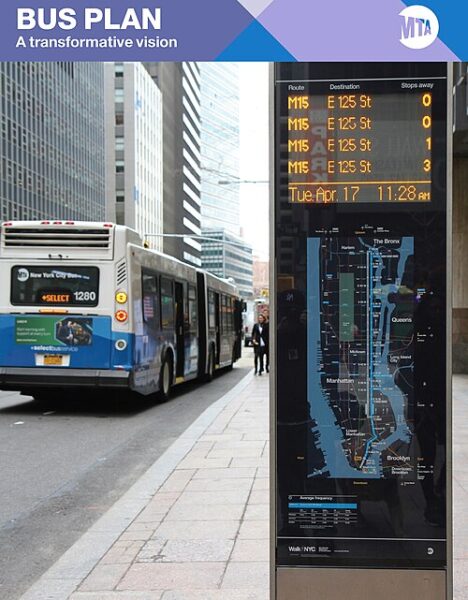
A bus schedule is a timetable that lists the departure and arrival times for each service on a particular route. It tells passengers when a bus will leave a stop, how long the journey takes, and where the vehicle stops along the way. By presenting this information in a clear, organized format, a bus schedule helps riders plan trips, coordinate connections, and avoid unnecessary waiting.
Core Elements
- Route number or name – identifies the specific line the schedule covers.
- Stop sequence – lists every station the bus serves, usually in order from the origin to the terminus.
- Departure times – shows when the bus leaves each stop during the day, often separated into weekday, Saturday, and Sunday sections.
- Frequency – indicates how often buses run during peak and off-peak periods (e.g., every 10?minutes, every 30?minutes).
- Service notes – highlights special conditions such as holiday adjustments, limited-service periods, or detours.
How to Use a Bus Schedule
- Locate the route that matches your intended travel direction.
- Find your boarding stop in the stop sequence.
- Read the column that corresponds to the day of the week you plan to travel.
- Choose the time that best fits your itinerary and note any gaps that may affect connections.
Why It Matters
A well-structured bus schedule improves reliability, reduces crowding, and encourages public-transport use. Riders who understand how to read the schedule save time, minimize missed connections, and experience a smoother journey. Transit agencies that publish accurate, up-to-date schedules build trust with the community and demonstrate a commitment to efficient service.
Key takeaways
In short, a bus schedule translates complex route data into a user-friendly guide, empowering anyone who steps onto a bus to travel confidently and on time.


