


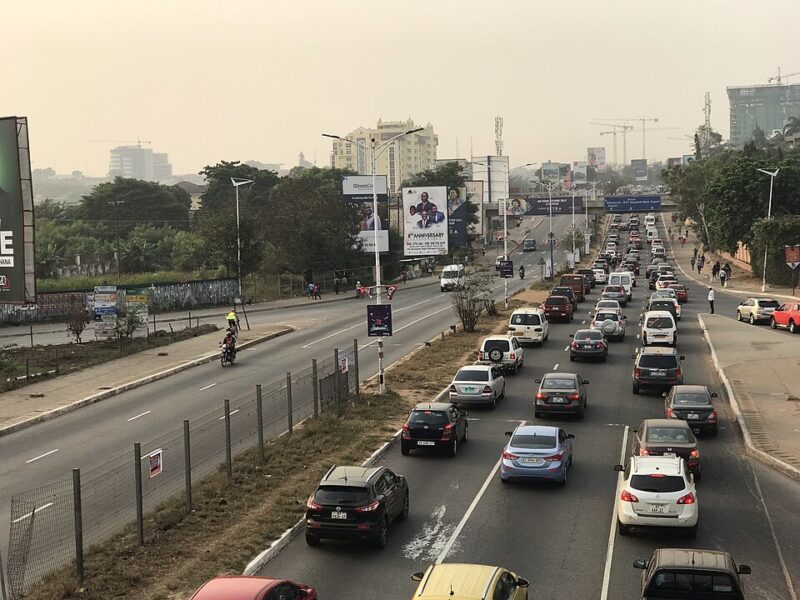
Overview
Ghana’s two most prominent urban centres—Accra and Kumasi—compete for attention in every national conversation about growth, culture, and opportunity. Determining which city is “bigger” depends on the metric you apply. We examine population size, land area, and functional reach to give you a clear, data-driven answer.
Population Size
The Ghana Statistical Service released the 2021 Population and Housing Census in early 2022. The latest figures show:
City 2021 Census Population
- Accra 2,317,000
- Kumasi 2,458,000
Kumasi’s metropolitan area exceeds Accra’s by roughly 141,000 residents. The difference reflects Kumasi’s rapid suburban expansion and the continued inflow of migrants seeking employment in the city’s manufacturing and trade hubs.
Land Area
Geographical footprint offers another perspective on size. The Ghana Survey Department records the following land-area measurements:
City Land Area (km²)
- Accra 173.2
- Kumasi 254.0
Kumasi occupies 80.8 km² more territory, giving it a 46?% larger spatial footprint. The city’s broader boundaries contain residential neighborhoods, industrial parks, and agricultural fringe zones that blend seamlessly into the surrounding Ashanti landscape.
Economic and Functional Reach
Population and land area do not capture the full picture of a city’s influence. Both cities serve as economic engines, yet they specialize in different sectors:
Accra anchors the nation’s financial, diplomatic, and tourism activities. International embassies, multinational corporations, and the Port of Tema cluster around the capital, creating a high-value service economy. The city’s GDP per capita outruns the national average, reflecting the concentration of high-skill jobs.
Kumasi drives Ghana’s manufacturing, wholesale trade, and cultural tourism. The city hosts the nation’s largest market—Kejetia Market—where merchants trade everything from textiles to electronics. Kumasi’s industrial parks attract domestic and foreign investors focused on agro-processing and light manufacturing.
When analysts measure “size” by economic output, the capital of the country registers a higher Gross Metropolitan Product because of its finance and services sector. When they count the number of formal enterprises, Kumasi frequently leads the tally, especially in manufacturing and retail.
Which City Is Bigger?
If you define “bigger” strictly by population, Kumasi edges out Accra by about 6?%. If you measure land area, Kumasi again claims the lead with a 46?% larger footprint. However, if you assess economic output and global connectivity, Accra stands taller because of its role as the national capital and its concentration of high-value industries.
Conclusion
Both cities dominate Ghana’s urban landscape, yet they excel in different dimensions. Kumasi registers higher numbers in population and territory, while the capital of Ghana dominates in financial services and international linkages. Your answer to “which is bigger?” therefore depends on the specific indicator you prioritize.
For policymakers, investors, and residents, recognizing these complementary strengths enables smarter decisions about resource allocation, business development, and urban planning. Understanding the nuanced ways in which Kumasi and Accra outsize each other equips you to engage with Ghana’s most dynamic markets confidently.


