Public transportation

Public Bus Transportation management – A comprehensive guide.

What is involved in a Intelligent transport system project?
Public transportation

What is involved in a Intelligent transport system project?

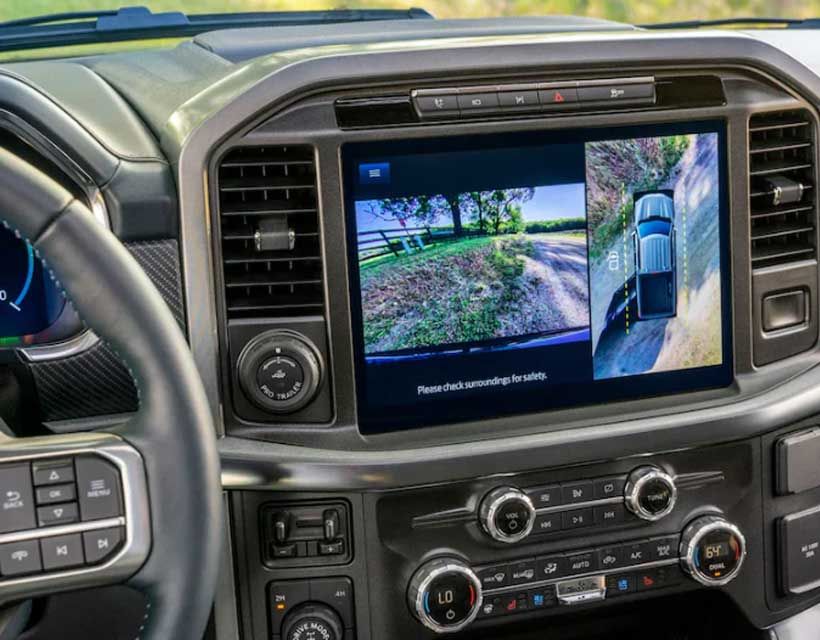
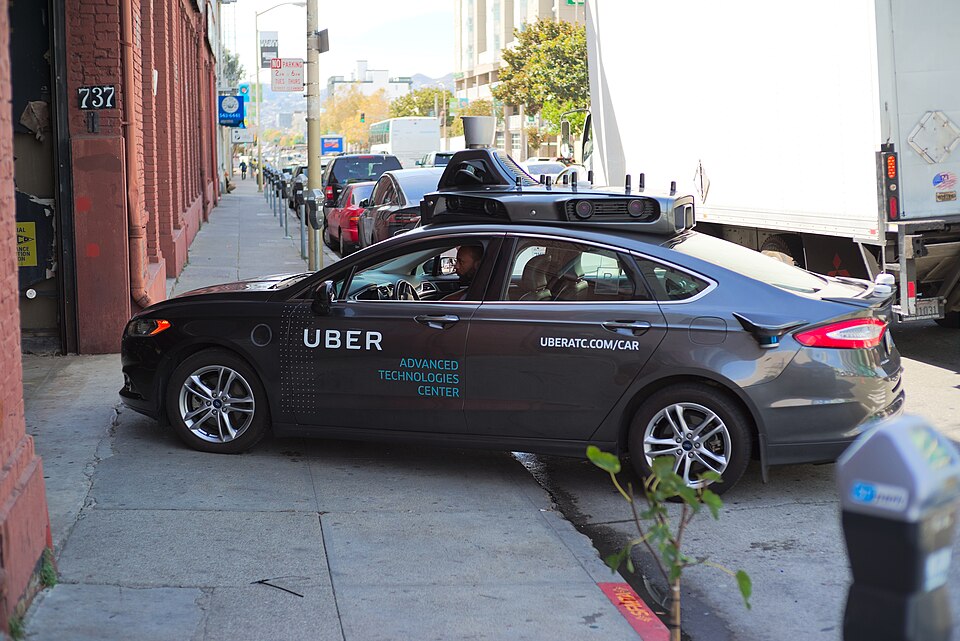
Intelligent Transport Systems (ITS) represent a pivotal advancement in managing the complexities of modern transportation. As urban populations grow and traffic congestion becomes a daily challenge, innovative solutions are essential for creating more efficient, safer, and sustainable cities. Our Intelligent Transport System project directly addresses these critical needs, leveraging cutting-edge technology to redefine urban mobility for everyone. What is an Intelligent Transport System? An Intelligent Transport System integrates various technologies to improve transport outcomes. It connects vehicles, infrastructure, and users through data. This system utilizes sensors, cameras, communication networks, and advanced analytics to collect real-time information. It then processes this data ...
Public transportation

How Does Public Transportation Impact The Environment?

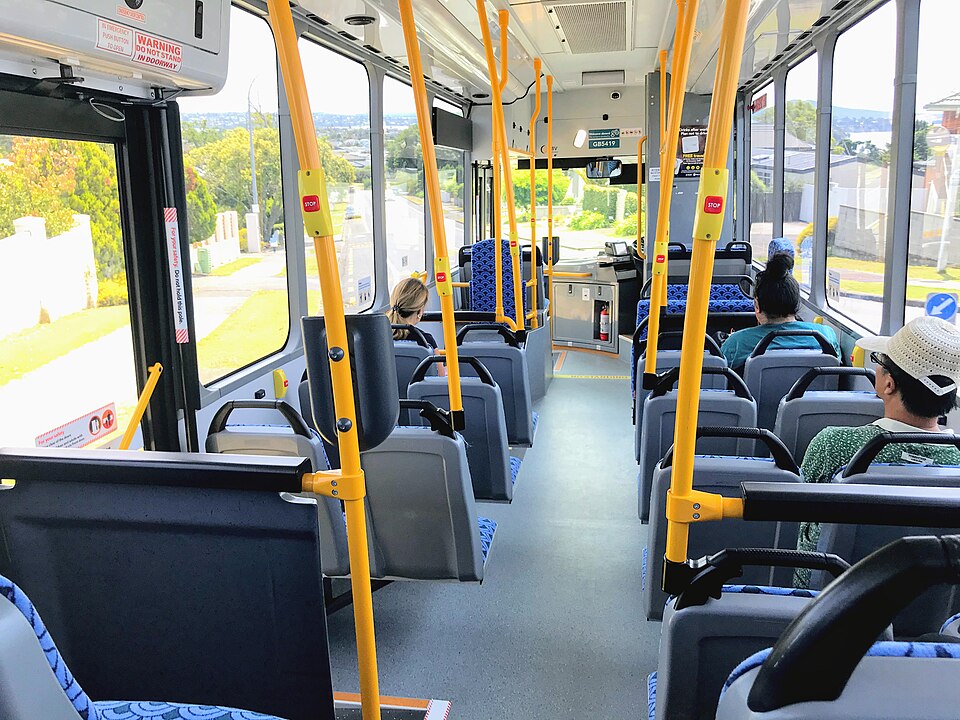
As urban populations grow, so does our collective impact on the planet. While individual choices matter, the infrastructure we build and utilize plays a pivotal role in shaping our environmental footprint. Public transportation, often an unsung hero of sustainable living, offers a powerful solution to many of today’s pressing environmental challenges. This blog post explores how embracing public transit directly contributes to a healthier planet. Environmental preservation One of the most significant environmental advantages of public transportation lies in its ability to reduce the number of individual vehicles on the road. Think about it: a single bus can replace dozens of cars, and a train can replace hundreds. This consolidation dramatically lowers overall greenhouse gas emissions. C...
Intelligent Traffic Systems

What are some Intelligent traffic systems examples?

Intelligent Traffic Systems (ITS) represent a pivotal advancement in managing the complexities of modern transportation. As urban populations grow and vehicle numbers surge, cities face unprecedented challenges with congestion, safety, and environmental impact. ITS offers smart, data-driven solutions. This article explores key Intelligent Traffic Systems examples, demonstrating their profound impact on creating more efficient, safer, and sustainable urban environments. What Are Intelligent Traffic Systems (ITS)? Intelligent Traffic Systems integrate information and communication technologies with transportation infrastructure to enhance safety, improve travel times, and reduce traffic congestion. These sophisticated systems collect, process, and distribute real-time data, enabling proact...
Public transportation

How Do Weather Conditions Affect Pedestrian Safety?

Pedestrian safety remains a critical concern in urban and rural environments globally. While traffic volume and infrastructure design play significant roles, weather conditions introduce a dynamic and often unpredictable layer of hazards. Understanding how different weather phenomena affect pedestrian safety empowers individuals to make informed decisions, mitigate risks, and ensure safer journeys. Reduced Visibility: A Primary Concern Adverse weather dramatically compromises visibility for both pedestrians and drivers, escalating accident risks. Fog and Heavy Rain: These conditions significantly obscure sightlines, making it difficult for drivers to spot pedestrians and for pedestrians to accurately judge vehicle speeds and distances. Reduced visibility directly shortens reaction t...
Intelligent Traffic Systems

What is smart intelligent traffic system for emergency cars?

In critical moments, every second counts. The speed at which emergency services—paramedics, firefighters, and law enforcement—reach an incident directly impacts outcomes, often making the difference between life and death. Traditional traffic management systems, however, frequently present significant obstacles, causing delays and increasing risks. This challenge highlights the urgent need for innovation, leading to the development of Smart Intelligent Traffic Control Systems (SITCS) for such vehicles. What Defines a Smart Intelligent Traffic Control System? A Smart Intelligent Traffic Control System represents a sophisticated network of technologies working in harmony to manage urban traffic dynamically and efficiently. Unlike static, time-based signal systems, SITCS leverages real-time...
Public transportation

How Can Pedestrians Stay Safe In Busy Areas?

Implementing Proactive Strategies for Pedestrian Safety Busy urban centers and high-traffic areas present unique challenges for pedestrians. Navigating crowded sidewalks, complex intersections, and active construction zones requires constant vigilance and adherence to established safety practices. Prioritizing pedestrian safety not only protects individuals but also contributes to better traffic flow and reduced accident rates. We explore essential, proactive steps every pedestrian can adopt to mitigate risks and stay safe in dynamic, busy environments. 1. Prioritize Situational Awareness The single most effective tool for pedestrian safety involves reducing self-imposed distractions. A formal commitment to full attention dramatically lowers the risk of incidents. Eliminate Distracte...
Intelligent Traffic Systems

How do intelligent traffic lights work?

Urban centers worldwide grapple with vehicular congestion. Traditional traffic lights operate on fixed schedules, often failing to adapt to real-time road conditions. This inefficiency costs time, fuel, and impacts the environment. Enter intelligent lights – a cornerstone of modern urban planning. These smart systems dynamically adjust to traffic demands, revolutionizing urban navigation. This article explores the sophisticated mechanisms behind intelligent traffic lights and explains how they enhance urban mobility. What are Intelligent Traffic Lights? They are smart traffic signals or adaptive traffic control systems which significantly advance traditional traffic management. Unlike conventional lights that cycle through pre-set timings, intelligent systems continuously monitor and res...
Intelligent Traffic Systems

Discover the role of artificial intelligence in transportation

Introduction Transportation systems form the essential infrastructure of modern economies, connecting people, products, and markets across the globe. As these networks grow in complexity, the need for efficiency, safety, and scalability becomes paramount. Artificial Intelligence and Machine Learning (ML) have emerged not merely as supplementary tools but as the foundational technology driving the next generation of global mobility. AI in transportation is a rapidly evolving field encompassing everything from detailed traffic management algorithms to complex autonomous vehicle navigation systems. This comprehensive analysis defines the mechanisms through which systems actively transform traditional transportation sectors. We examine the core applications, highlight the profound benefits...
Public transportation

Does Providence, Ri Have Public Transportation?

Yes, Providence, RI Offers Robust Public Transportation The Rhode Island Public Transit Authority (RIPTA) operates as the singular provider for nearly all public transportation services within Providence and across the entire state. RIPTA manages a large fleet of buses running extensive routes that ensure city-wide connectivity. This formal guide explores the core components of the public transit system, focusing on the primary operator, service coverage, and commuter options available to both residents and visitors. The Foundation Individuals planning a trip or considering a move to Rhode Island, frequently ask about local public transportation options. The simple answer is yes: the city maintains a comprehensive, state-managed transit network that successfully facilitates travel th...
Intelligent Traffic Systems

What Do Intelligent Transportation Systems Use GPS For?

Intelligent Transportation Systems (ITS) represent a pivotal advancement in modern infrastructure, integrating advanced technologies to enhance safety, efficiency, and sustainability across transportation networks. At the core of many ITS applications lies the Global Positioning System (GPS). This satellite-based navigation system provides precise location, velocity, and time data, making it an indispensable tool for transforming how we manage and experience travel. ITS leverages the technology across various domains, revolutionizing operations from traffic management to public transit. Understanding these applications clarifies the application's critical role in building smarter cities and more efficient transportation networks. The Indispensable Role of GPS in Modern ITS It delivers...
Public transportation

Does Olympia, Washington Have Public Transportation?

Olympia, Washington, the vibrant state capital, attracts residents and visitors with its unique charm and active community. When planning travel or daily commutes within the city and surrounding areas, a crucial question often emerges: Does Olympia, Washington, have public transportation? The definitive answer is yes, with a robust and well-managed system effectively serving the region. The key operator Intercity Transit operates as Thurston County's primary provider of public transportation, offering extensive services across Olympia, Lacey, Tumwater, Yelm, and other neighboring communities. This agency implements a comprehensive network of bus routes, connecting major destinations such as downtown Olympia, the Capital Campus, key shopping centers, educational institutions, and resident...
Intelligent Traffic Systems

How Do Intelligent Transport Systems Work? Find the explanation.

Intelligent Transport Systems (ITS) revolutionize modern transportation, leveraging advanced technologies to enhance efficiency, safety, and sustainability on our roads. But how exactly do these intricate systems operate to create smarter, more responsive transport networks? This article explores the core mechanisms behind ITS. The Foundation: Data Collection At its heart, ITS relies on robust data collection. Various intelligent sensors, cameras, and loops embedded in infrastructure continuously gather critical information. These devices monitor traffic volume, vehicle speed, road conditions, and incident occurrences. Additionally, GPS data from vehicles and mobile devices contributes to a comprehensive real-time picture of the transport environment. This constant flow of data forms the...