


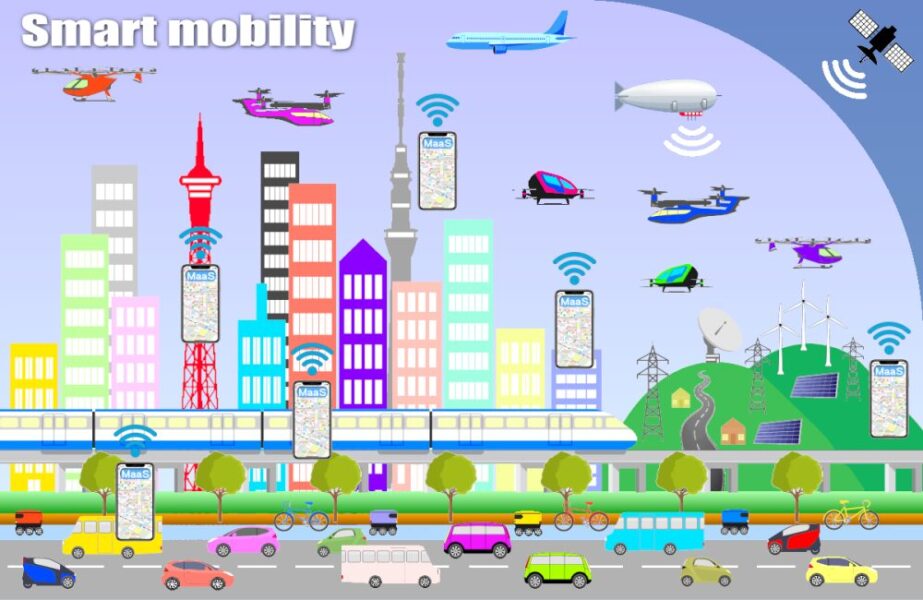
Modern urban environments face unprecedented challenges. Rising populations, traffic congestion, and environmental concerns demand a shift in how we move people and goods. Enter smart mobility: a forward-thinking approach that leverages technology and data to create a more efficient, sustainable, and interconnected transportation ecosystem.
What is Smart Mobility?
At its core, smart mobility integrates advanced digital technologies into the existing infrastructure to improve the performance of our mobility networks. It moves beyond traditional transit models by prioritizing connectivity, automation, and shared resources. By utilizing real-time data, smart mobility systems optimize routes, reduce travel times, and decrease carbon footprints.
This concept encompasses various modern solutions, including:
Connected Vehicles: Cars, buses, and trains communicate with each other and with traffic management systems to avoid accidents and reduce bottlenecks.
Mobility-as-a-Service (MaaS): This model integrates various forms of transport—such as public transit, bike-sharing, and ride-hailing—into a single, accessible digital platform.
Intelligent Traffic Management: Sensors and artificial intelligence monitor traffic flow in real-time, allowing city planners to adjust signal timings dynamically and prevent congestion before it occurs.
Electric and Autonomous Transit: The transition toward battery-powered vehicles and self-driving technology aims to eliminate human error and lower greenhouse gas emissions.
Why Does It Matter?
The traditional model of individual car ownership often leads to underutilized resources and environmental degradation. Smart mobility offers a compelling alternative. It transforms our approach to transportation by fostering a cleaner, faster, and more inclusive city experience.
When a city adopts smart mobility solutions, inhabitants enjoy a higher quality of life. Reduced congestion leads to cleaner air and shorter commutes. Integrated transit platforms make travel affordable and accessible for all citizens, regardless of their location. Furthermore, data-driven decisions allow municipalities to allocate resources more effectively, ensuring that infrastructure investments provide the greatest possible benefit to the public.
Building a Connected Tomorrow
Smart mobility represents more than just technological advancement; it signifies a fundamental change in our relationship with space and movement. As urban centers continue to expand, the need for intelligent systems becomes critical. By prioritizing data-sharing, sustainability, and cross-sector collaboration, we can build a resilient infrastructure that meets the demands of the modern world.
The path toward a smarter future requires commitment from policymakers, tech innovators, and the public. As we embrace these innovations, we pave the way for safer roads, greener cities, and more seamless travel experiences. Smart mobility is not merely a trend; it is the essential blueprint for the next century of transportation.
Summary
Are you ready to learn more about how smart mobility initiatives are reshaping your city? Explore our resources or contact our team to discover how we are leading the charge toward a more connected future.


