


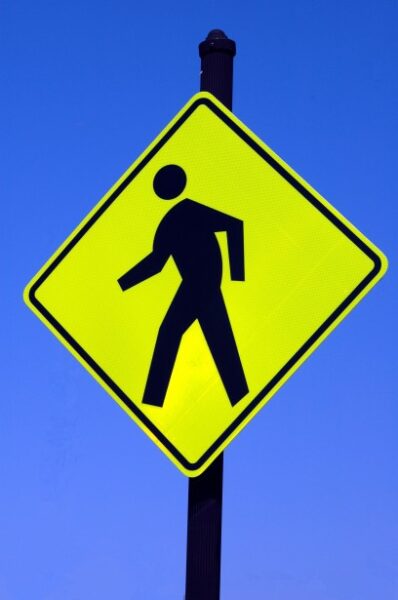
Pedestrian safety remains a primary concern for urban planners, municipal leaders, and community members alike. As traffic volumes increase, traditional signage often fails to capture the attention of distracted drivers. To bridge this safety gap, many cities now utilize In-Street Pedestrian Crossing Signs. These strategic devices serve as a highly visible reminder for motorists to yield to pedestrians, effectively reclaiming the roadway for those on foot.
The Problem: Why Traditional Signage Falls Short
Standard roadside signs frequently blend into the visual clutter of urban environments. Drivers often overlook static, elevated signage, especially during high-traffic periods or inclement weather. When safety infrastructure fails to grab a driver’s focus, the risk of pedestrian collisions increases significantly. To combat this, traffic safety experts advocate for solutions that place visual cues directly within the driver’s primary line of sight.
The Solution: In-Street Pedestrian Crossing Signs
In-Street Pedestrian Crossing Signs—often referred to as R1-6 signs—occupy the center line of the roadway. Because these signs sit directly in the driver’s path, they force motorists to acknowledge the crossing point and adjust their speed accordingly.
These devices offer several distinct advantages:
Heightened Visibility: By placing the sign at eye level, municipalities ensure that drivers cannot ignore the warning.
Physical Deterrence: The presence of the sign acts as a gentle traffic-calming measure, encouraging slower speeds through the intersection.
Cost-Effectiveness: Compared to major infrastructure overhauls or signalized intersections, in-street signs provide a high-impact safety return for a relatively low investment.
Versatility: Maintenance crews install and remove these signs easily, allowing cities to adapt to seasonal traffic patterns or school-zone requirements.
Strategic Deployment for Maximum Impact
Effective safety measures require more than just installing signs; they demand a data-driven strategy. Municipalities achieve the best results by targeting high-risk areas, such as mid-block crossings, school zones, and high-pedestrian corridors near shopping centers.
When city planners integrate these signs with high-visibility crosswalk markings and advanced warning signage, they create a multi-layered safety net. This holistic approach signals to motorists that the area prioritizes pedestrians, fostering a culture of mutual respect on the road.
A Commitment to Safer Streets
Every pedestrian deserves a secure environment when crossing the street. By implementing strategic, in-street signage, communities take a proactive stance against traffic-related incidents. These simple, durable, and highly effective tools represent a fundamental commitment to the well-being of all road users.
Are you ready to improve safety in your municipality? Contact our team of traffic safety specialists to learn how we can help you design a deployment strategy tailored to your community’s unique needs. Together, we can transform your streets into safer, more accessible spaces for everyone.


