Public transportation

Public Bus Transportation management – A comprehensive guide.

Why is the Edinburgh Bus Station so special?
Public transportation

Why is the Edinburgh Bus Station so special?

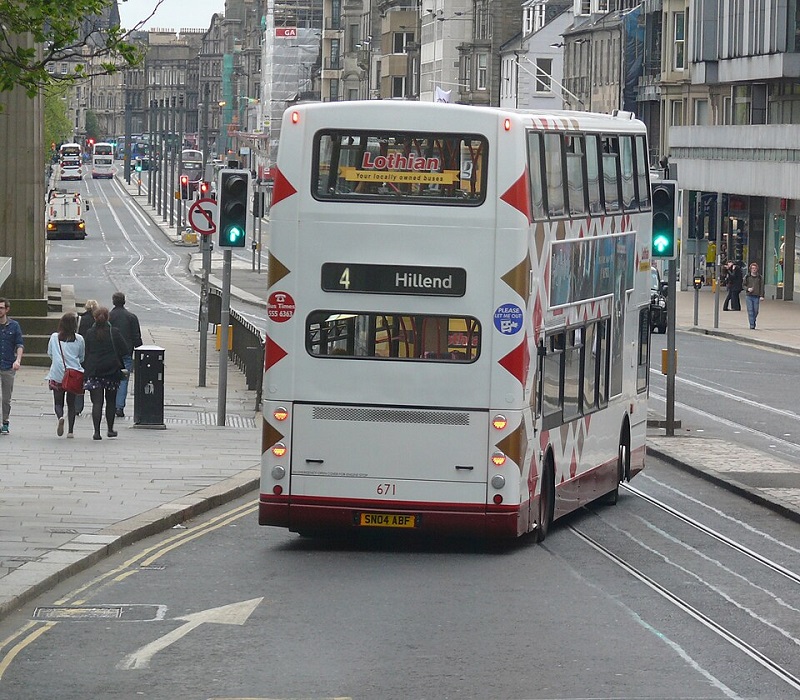
Nestled in the heart of Scotland’s capital, Edinburgh Bus Station stands as a hub where journeys begin and horizons expand. As one of the city’s most vital transport links, it connects passengers to destinations across Edinburgh, the Scottish Highlands, the Borders, and beyond. Whether you’re a local commuting to work, a tourist exploring historic landmarks, or a traveler chasing new adventures, this station ensures your journey is seamless, efficient, and inspiring. Connectivity at Its Best The terminal  serves as the city’s central transport artery, offering direct routes to key locations such as Edinburgh Airport, the historic port of Leith Docks, and the scenic Scottish countryside. With services operated by leading providers like Stagecoach, Lothian Buses, and Citylink, passengers c...
Public transportation

Why travel on the Glasgow to Edinburgh bus?

Discover Scotland by Bus Embark on a scenic and stress-free journey between Scotland’s vibrant cultural hubs—Glasgow and Edinburgh—by bus. Whether you’re a local seeking a convenient commute or a traveler eager to explore, this route offers a perfect blend of comfort, affordability, and unforgettable views. Why Choose the Bus? Travelers often overlook buses as a top option, but this route proves otherwise. Modern coaches feature plush seating, free Wi-Fi, and ample legroom, letting you relax or work while the Scottish landscape unfolds outside your window. With no parking hassles or crowded train stations, buses provide seamless travel from city center to city center. Plus, fares remain competitive, making it an ideal choice for budget-conscious adventurers. A Journey Through Scotland’...
Public transportation

What’s The Difference Between Transit And Transport?

In the practice of logistics and mobility, two terms are often used interchangeably: transit and transport. However, they convey distinct meanings that are essential to grasp, particularly for individuals and organizations involved in the movement of goods, services, or people. The meaning of transit Transit refers to the act of passing through a specific point or area, often temporarily, without changing the mode of transportation. For example, when a shipment travels through a country without being offloaded or transferred to a different vehicle, it is in transit. This term emphasizes the journey, focusing on the intermediate stages between the origin and final destination. The definition of transport Transport, on the other hand, encompasses the entire process of moving goods, servi...
Intelligent Traffic Systems

Could an intelligent traffic management system help city traffic flow

By implementing intelligent traffic management systems, cities can significantly reduce congestion and minimize travel times. These systems utilize real-time data from sensors, cameras, and other sources to analyze patterns and adjust signal timing accordingly. This dynamic approach enables cities to respond quickly to changing conditions, reducing the likelihood of gridlock and decreasing the environmental impact of idling vehicles. They are useful for predictive road conditions As cities continue to grow and expand, vehicular congestion has become a pressing issue that affects not only commuters but also the environment and local economies. Efficient flow is crucial to reducing travel times, decreasing air pollution, and improving overall quality of life. Intelligent  management system...
Public transportation

What is involved in a Intelligent transport system project?

Intelligent Transport Systems (ITS) represent a pivotal advancement in managing the complexities of modern transportation. As urban populations grow and traffic congestion becomes a daily challenge, innovative solutions are essential for creating more efficient, safer, and sustainable cities. Our Intelligent Transport System project directly addresses these critical needs, leveraging cutting-edge technology to redefine urban mobility for everyone. What is an Intelligent Transport System? An Intelligent Transport System integrates various technologies to improve transport outcomes. It connects vehicles, infrastructure, and users through data. This system utilizes sensors, cameras, communication networks, and advanced analytics to collect real-time information. It then processes this data ...
Public transportation

How Does Public Transportation Impact The Environment?

As urban populations grow, so does our collective impact on the planet. While individual choices matter, the infrastructure we build and utilize plays a pivotal role in shaping our environmental footprint. Public transportation, often an unsung hero of sustainable living, offers a powerful solution to many of today’s pressing environmental challenges. This blog post explores how embracing public transit directly contributes to a healthier planet. Environmental preservation One of the most significant environmental advantages of public transportation lies in its ability to reduce the number of individual vehicles on the road. Think about it: a single bus can replace dozens of cars, and a train can replace hundreds. This consolidation dramatically lowers overall greenhouse gas emissions. C...
Intelligent Traffic Systems

What are some Intelligent traffic systems examples?

Intelligent Traffic Systems (ITS) represent a pivotal advancement in managing the complexities of modern transportation. As urban populations grow and vehicle numbers surge, cities face unprecedented challenges with congestion, safety, and environmental impact. ITS offers smart, data-driven solutions. This article explores key Intelligent Traffic Systems examples, demonstrating their profound impact on creating more efficient, safer, and sustainable urban environments. What Are Intelligent Traffic Systems (ITS)? Intelligent Traffic Systems integrate information and communication technologies with transportation infrastructure to enhance safety, improve travel times, and reduce traffic congestion. These sophisticated systems collect, process, and distribute real-time data, enabling proact...
Public transportation

How Do Weather Conditions Affect Pedestrian Safety?

Pedestrian safety remains a critical concern in urban and rural environments globally. While traffic volume and infrastructure design play significant roles, weather conditions introduce a dynamic and often unpredictable layer of hazards. Understanding how different weather phenomena affect pedestrian safety empowers individuals to make informed decisions, mitigate risks, and ensure safer journeys. Reduced Visibility: A Primary Concern Adverse weather dramatically compromises visibility for both pedestrians and drivers, escalating accident risks. Fog and Heavy Rain: These conditions significantly obscure sightlines, making it difficult for drivers to spot pedestrians and for pedestrians to accurately judge vehicle speeds and distances. Reduced visibility directly shortens reaction t...
Intelligent Traffic Systems

What is smart intelligent traffic system for emergency cars?

In critical moments, every second counts. The speed at which emergency services—paramedics, firefighters, and law enforcement—reach an incident directly impacts outcomes, often making the difference between life and death. Traditional traffic management systems, however, frequently present significant obstacles, causing delays and increasing risks. This challenge highlights the urgent need for innovation, leading to the development of Smart Intelligent Traffic Control Systems (SITCS) for such vehicles. What Defines a Smart Intelligent Traffic Control System? A Smart Intelligent Traffic Control System represents a sophisticated network of technologies working in harmony to manage urban traffic dynamically and efficiently. Unlike static, time-based signal systems, SITCS leverages real-time...
Public transportation

How Can Pedestrians Stay Safe In Busy Areas?

Implementing Proactive Strategies for Pedestrian Safety Busy urban centers and high-traffic areas present unique challenges for pedestrians. Navigating crowded sidewalks, complex intersections, and active construction zones requires constant vigilance and adherence to established safety practices. Prioritizing pedestrian safety not only protects individuals but also contributes to better traffic flow and reduced accident rates. We explore essential, proactive steps every pedestrian can adopt to mitigate risks and stay safe in dynamic, busy environments. 1. Prioritize Situational Awareness The single most effective tool for pedestrian safety involves reducing self-imposed distractions. A formal commitment to full attention dramatically lowers the risk of incidents. Eliminate Distracte...
Intelligent Traffic Systems

How do intelligent traffic lights work?

Urban centers worldwide grapple with vehicular congestion. Traditional traffic lights operate on fixed schedules, often failing to adapt to real-time road conditions. This inefficiency costs time, fuel, and impacts the environment. Enter intelligent lights – a cornerstone of modern urban planning. These smart systems dynamically adjust to traffic demands, revolutionizing urban navigation. This article explores the sophisticated mechanisms behind intelligent traffic lights and explains how they enhance urban mobility. What are Intelligent Traffic Lights? They are smart traffic signals or adaptive traffic control systems which significantly advance traditional traffic management. Unlike conventional lights that cycle through pre-set timings, intelligent systems continuously monitor and res...
Intelligent Traffic Systems

Discover the role of artificial intelligence in transportation

Introduction Transportation systems form the essential infrastructure of modern economies, connecting people, products, and markets across the globe. As these networks grow in complexity, the need for efficiency, safety, and scalability becomes paramount. Artificial Intelligence and Machine Learning (ML) have emerged not merely as supplementary tools but as the foundational technology driving the next generation of global mobility. AI in transportation is a rapidly evolving field encompassing everything from detailed traffic management algorithms to complex autonomous vehicle navigation systems. This comprehensive analysis defines the mechanisms through which systems actively transform traditional transportation sectors. We examine the core applications, highlight the profound benefits...