


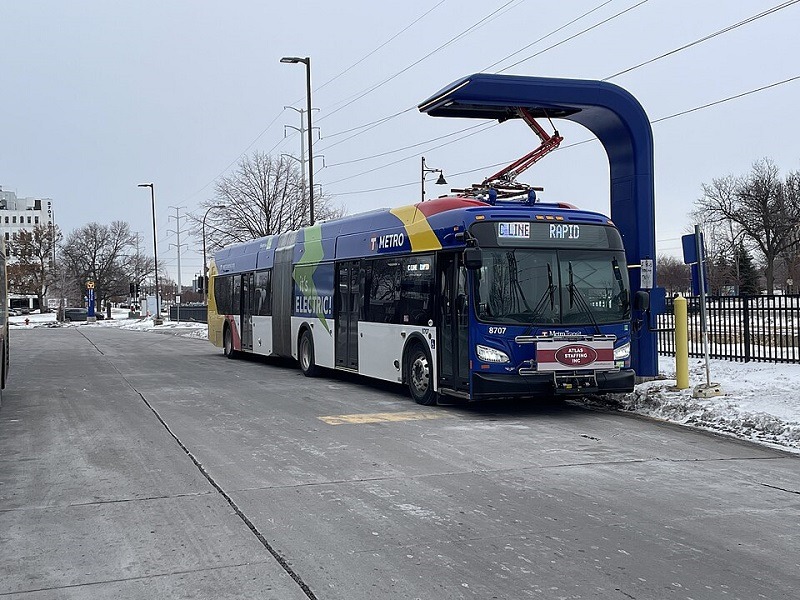
To maximize longevity of your electric bus, you must maintain adherence to standardized charting operational procedures of the manufacturer.
The transition to electric fleets presents significant opportunities for operational savings and sustainability. However, realizing these benefits depends heavily on establishing highly efficient electric bus maintenance protocols. While electric vehicles (EVs) require less routine repair than their diesel predecessors, specialized focus areas demand precision. Fleet managers must implement robust, data-driven strategies to ensure optimal EV fleet efficiency and operational reliability.
Foundational Shift: Understanding EV Maintenance Dynamics
Electric bus optimization fundamentally shifts focus from complex mechanical systems (engines, transmissions) to electrical and software-based components. EV preventative care plans must prioritize battery health management, thermal regulation, and high-voltage safety. Successfully managing these systems reduces downtime, extending the lifespan of crucial, high-cost components.
Critical Pillars of Electric Bus Efficiency
To maintain peak operational ability, fleet operations must focus intensely on the core technology driving the electric bus.
1. Proactive Battery Health Management
The high-voltage battery system represents the single most valuable asset in your electric bus operations. Fleet management teams must rigorously track and analyze battery State of Health (SOH) and State of Charge (SOC) data.
Avoid consistently deep cycling (discharging below 20%) and limit frequent fast-charging cycles, as these practices introduce unnecessary thermal stress. Regularly assess battery cooling systems; inadequate thermal management directly accelerates degradation. Implement testing procedures that confirm the integrity of coolant lines and heat exchangers on a fixed schedule.
2. Optimize Thermal Management Systems
Effective thermal regulation directly dictates both battery performance and component lifespan. The heating, cooling, and ventilation (HVAC) system in an EV bus impacts both passenger comfort and critical electronics performance. The staff must routinely inspect and validate the function of all fluid loops, sensors, and pumps associated with thermal control. A malfunctioning cooling pump quickly compromises battery SOH, forcing costly replacements sooner than expected. Technicians must verify proper coolant levels and concentration, addressing any anomalies immediately.
Leveraging Technology for Predictive Operations
Modern electric buses generate vast amounts of operational data critical for maintaining efficiency. Successful fleet professionals utilize this data for predictive safety, moving beyond traditional scheduled inspections.
3. Implement Advanced Telematics Analysis
Integrate real-time telematics data into your scheduling. This aspect allows teams to monitor key performance indicators (KPIs), such as energy consumption variance and component temperature spikes, identifying potential failures before they manifest. Analyze fault codes instantly to isolate issues like high-voltage interlock violations or minor motor control unit irregularities. Predictive analysis allows teams to schedule repairs during off-peak hours, significantly boosting EV fleet efficiency.
4. Prioritize Regenerative Braking Inspection
Regenerative braking heavily reduces wear on friction brakes, resulting in substantial cost savings. However, crews must regularly test the system’s calibration and function. Verify that the system recoups energy effectively and confirms the proper balance between electric and mechanical braking. While friction component wear is minimal, technicians must still inspect pads and rotors periodically to ensure mechanical readiness in emergency situations.
Standardize Training and Certification
Maintain optimal efficiency by investing in specialized training for personnel. High-voltage systems require specific safety protocols and diagnostic tools. Certify technicians in battery disassembly, high-voltage component replacement, and software diagnostics. Standardized training ensures all repairs adhere to rigorous safety and quality standards, protecting both personnel and the specialized equipment.
Conclusion
Efficient electric bus maintenance demands a proactive, data-centric approach focused on high-voltage and thermal systems. By prioritizing battery health, leveraging advanced telematics, and standardizing technician training, fleet professionals effectively minimize unexpected failures. Implementing these strategic protocols maximizes vehicle uptime, manages operating costs, and ensures the long-term success of your EV transition.


