


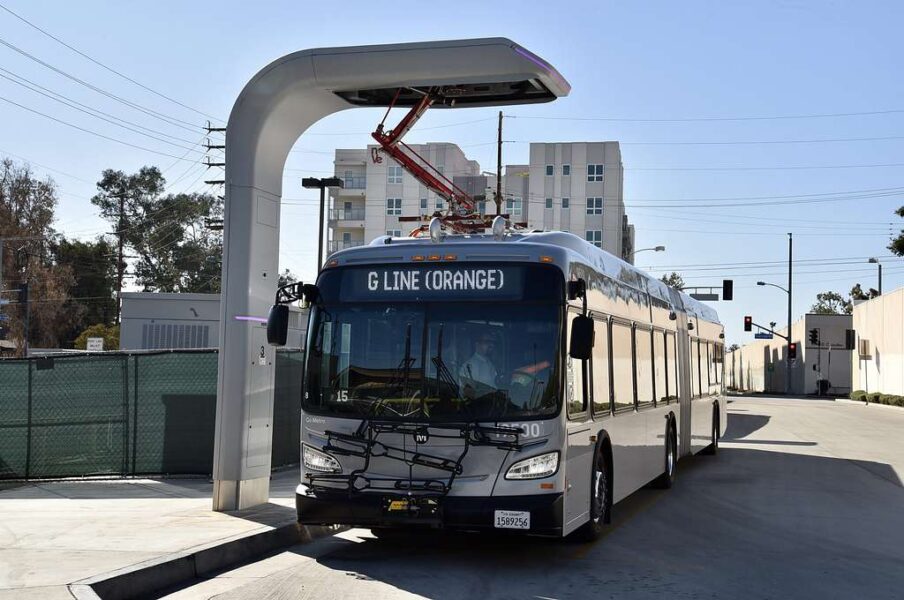
The transition to sustainable urban transport is no longer a distant goal but an immediate imperative. Across the globe, municipalities and transport authorities are recognizing the profound advantages of electrifying their bus fleets. Switching to electric buses today offers a multitude of benefits, driving environmental progress, economic efficiency, and enhanced community well-being.
The 5 principal of switching to electric buses are:
Cleaner Air and Reduced Emissions
The most immediate and impactful benefit, electric buses produce zero tailpipe emissions. This directly translates to significant reductions in harmful pollutants like nitrogen oxides (NOx), particulate matter (PM2.5), and volatile organic compounds (VOCs), which are major contributors to smog and respiratory illnesses. By removing these pollutants from urban environments, cities can drastically improve air quality, leading to better public health outcomes and a higher quality of life for residents.
Significant Operating Cost Reductions
While the upfront cost of electric buses can be higher, their operational expenses are notably lower than their diesel counterparts. Electricity is generally more stable and cheaper than diesel fuel, leading to substantial savings on energy costs. Furthermore, electric powertrains have fewer moving parts and simpler mechanics, resulting in reduced maintenance requirements, fewer fluid changes, and longer intervals between major overhauls. These savings accumulate rapidly, providing a strong financial incentive for fleet electrification.
Enhanced Passenger and Community Experience
Electric buses offer a demonstrably superior experience for both passengers and the public. They operate almost silently, eliminating the pervasive engine noise associated with diesel buses. This quiet operation reduces noise pollution in urban areas and provides a more peaceful and comfortable ride for passengers. The absence of exhaust fumes also contributes to a more pleasant environment both inside and outside the vehicle, fostering a greater sense of well-being for all.
Lower Maintenance Requirements
The simplicity of an electric drivetrain translates directly into less maintenance. Electric motors are more robust and reliable than internal combustion engines, requiring less frequent servicing. There are no oil changes, spark plugs, fuel filters, or complex exhaust after-treatment systems to maintain. This reduction in complexity minimizes downtime, extends vehicle lifespan, and frees up maintenance staff to focus on other critical fleet needs, leading to improved operational efficiency.
Boost to Energy Security and Innovation
Adopting electric buses diversifies a country’s energy portfolio, reducing reliance on imported fossil fuels and enhancing energy security. Furthermore, the infrastructure required for electric charging encourages investment in renewable energy sources, such as solar and wind, to power the grid. This transition also fosters innovation in battery technology, smart grid management, and vehicle-to-grid (V2G) capabilities, positioning cities and nations at the forefront of sustainable technological advancement.
Summary
The decision to transition to electric buses today is a strategic one, offering a compelling blend of environmental stewardship, economic prudence, and societal betterment. Cities that embrace this change will not only modernize their public transport systems but also lay a robust foundation for a healthier, more sustainable, and economically vibrant future.


