


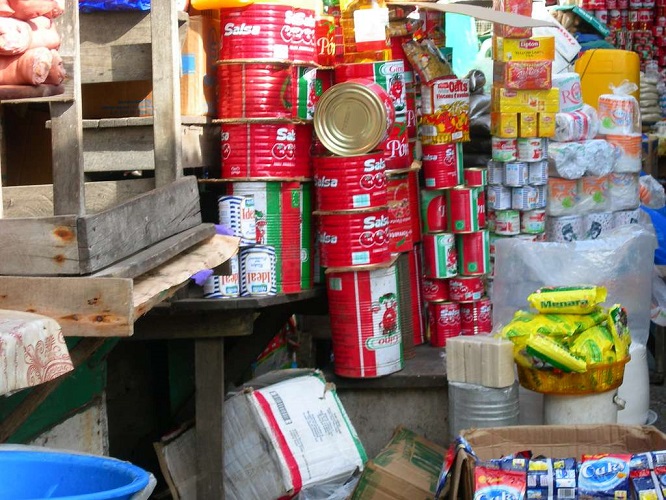
Accra, the capital city of Ghana, is a city defined by its commercial activity, and at the heart of this economic dynamism lies its largest and most iconic market. While numerous markets contribute to the city’s commercial landscape, the main market indisputably stands as the biggest and most influential, a sprawling epicentre of trade that serves as both a central marketplace and a vital economic barometer for the nation.
Strategic location
Nestled in the central business district of Accra, the Central Market is far more than just a place to buy and sell goods; it is a microcosm of Ghanaian life, a sensory overload that encapsulates the country’s spirit of enterprise. Its sheer scale is immediately apparent, extending across several blocks and spilling into surrounding streets, creating a labyrinthine network of stalls, shops, and makeshift vending points. This vast expanse accommodates tens of thousands of vendors and attracts hundreds of thousands of shoppers daily, solidifying its status as Ghana’s quintessential commercial hub.
The array of goods available is astonishingly diverse. From fresh produce, including a kaleidoscope of local fruits, vegetables, and spices, to a comprehensive selection of textiles, clothing, and traditional Ghanaian fabrics like Kente and Ankara, virtually anything imaginable can be found here. Housewares, electronics, cosmetics, medicinal herbs, artisanal crafts, and imported goods further populate its aisles, reflecting both local production and global trade links. This diversity caters to a wide demographic, from local homemakers and small business owners to international traders and tourists seeking authentic Ghanaian products.
Commercial enclave of the city
Beyond its impressive inventory, it is a crucial economic engine. It serves as a primary distribution point for goods across Ghana and even to neighbouring West African countries, acting as a wholesale and retail nexus. The market supports countless livelihoods, from the farmers who supply the produce to the seamstresses who fashion garments, and the myriad traders who negotiate daily transactions. It plays a significant role in price discovery and supply chain dynamics, impacting the cost of living and the availability of essential commodities throughout the region.
Culturally, this commercial and trading hub is a melting pot where Ghana’s diverse ethnic groups converge, trading in various local languages and fostering a unique communal atmosphere. It is a place of ceaseless negotiation, robust social interaction, and enduring resilience, embodying the entrepreneurial spirit that drives much of Ghana’s informal economy. While the market can be characterised by its frenetic energy and organised chaos, beneath the surface lies a highly efficient system, refined over decades, that facilitates an immense volume of trade.
Putting it all together
In conclusion, the market’s immense size, unparalleled diversity of goods, crucial economic function, and profound cultural significance firmly establish it as the biggest and most important market in Ghana’s capital. It remains a powerful symbol of Accra’s commercial vitality and a cornerstone of the nation’s economic and social fabric.


