


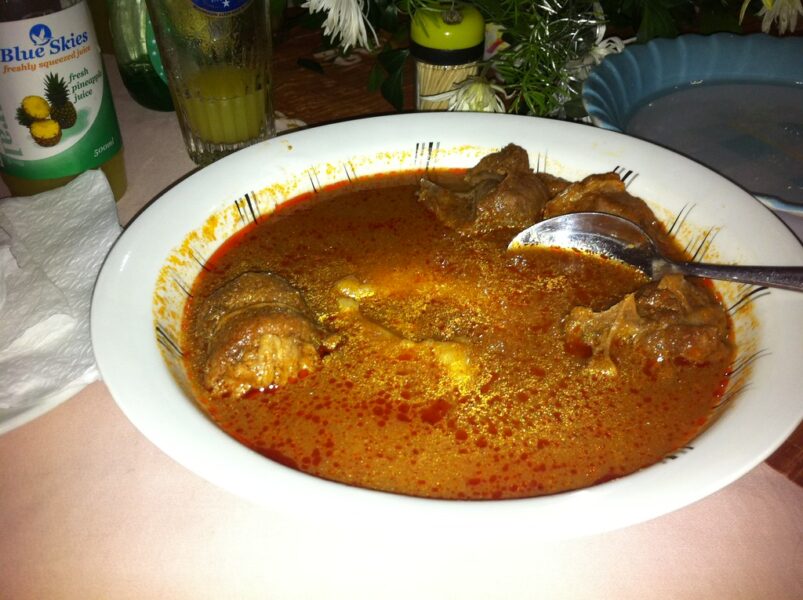
Ghana, a nation rich in culture and commerce, offers an equally compelling array of culinary experiences. For the discerning professional traveler, navigating the food landscape requires strategy and insight. This guide provides actionable steps to ensure your gastronomic journey through Ghana is authentic, unforgettable, and entirely professional.
Understanding the Ghanaian Culinary Landscape
Ghanaian cuisine is characterized by vibrant flavors, robust staple starches, and savory, slow-cooked stews. Key dishes—such as Jollof Rice, Banku with Okra Stew, Waakye, and Fufu—form the backbone of the national diet. Recognizing these fundamentals is the first step to finding quality. High-quality preparation emphasizes fresh ingredients, traditional cooking methods (like smoking and grinding), and a balance of heat and spices.
Strategic Locating: Beyond the Tourist Trail
While international hotels offer convenience, they often dilute authentic local flavors. To find the best cuisine in the capital, you must venture where Ghanaians truly dine. In the capital, places like Osu, Kaneshie and Madina are best spots to savor a wide variety of dishes.
Prioritize Mid-Range, High-Traffic Local Eateries (Chop Bars)
Authentic “Chop Bars”—traditional Ghanaian restaurants—are often the source of exceptional food. Look for establishments that display visible signs of high customer turnover, especially during lunch hours (12:00 PM – 2:00 PM). High demand indicates freshness and consistent preparation quality.
Leverage Specialized Food Markets and Street Vendors Safely
Certain markets specialize in regional delicacies. For example, Accra’s Osu area and Kumasi’s Kejetia Market offer diverse options. While street food can be superb (e.g., roasted plantain, Kelewele), professionals should prioritize vendors who demonstrate rigorous hygiene standards.
Assessment Criteria: Observe clear hand-washing stations, the use of disposable gloves, and food served piping hot. Reputable vendors often use clean, stainless-steel serving equipment.
Focus on Regional Specialties
Ghana’s cuisine varies significantly by region. Optimize your search by targeting specific dishes where they are locally excellent:
- Greater Accra Red Red (Beans & Plantain) Black-Eyed Peas
- Ashanti (Kumasi) Fufu and Goat Light Soup Cassava and Plantain
- Northern Region Tuo Zaafi (T.Z.) Millet or Corn Flour
- Coastal Regions Kenkey and Fried Fish Fermented Corn Dough
Professionals must apply critical standards when evaluating a potential dining spot:
- Observe Preparation: Watch cooks in open kitchens. A clean, organized preparation area suggests professional standards.
- Evaluate Ingredient Freshness: The best cuisine relies on daily market purchases. Ensure seafood is vibrant and meat is cooked thoroughly.
- Confirm Spiciness Levels: Authentic Ghanaian food often features significant heat (chilli). If you prefer mild flavours, confirm preparation adjustments before ordering. Respect the local palate, but communicate your preference clearly.
Elevating Your Ghanaian Dining Experience
Discovering Ghana’s best local cuisine is a rewarding pursuit that enriches the professional travel experience. By adopting a strategic approach—moving beyond typical tourist venues. then you can priortize high-traffic local spots in the capital, and applying rigorous hygiene vetting—you unlock true Ghanaian flavors. Successfully navigate the culinary scene; elevate your professional journey.


