


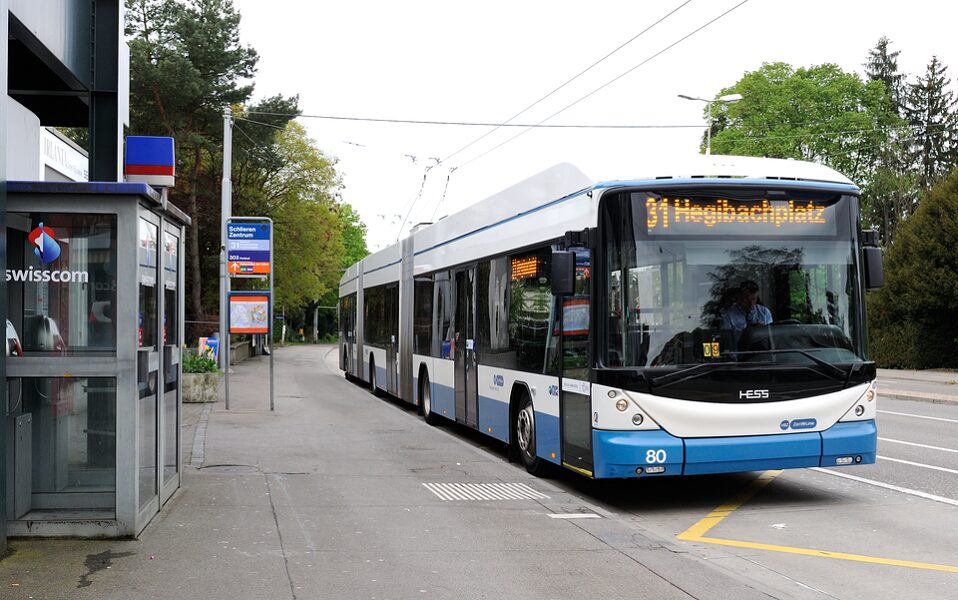
Tokyo, Berlin, Singapore and Zurich are most renowned throughout the world for their efficient transportation network.
Efficient urban mobility systems directly influence global economic competitiveness and professional quality of life. For the modern professional, reliable and extensive public transportation is not merely a convenience; it is a critical component of time management and productivity. This analysis examines the global leaders in mobility infrastructure, highlighting the design principles and operational precision that define the world’s best public transportation cities.
These networks succeed by emphasizing three core tenets: seamless urban mobility solutions, comprehensive network reach, and unwavering operational reliability. Cities aspiring to global status must prioritize robust, sustainable infrastructure.
Benchmarks of Operational Excellence
These for cities have established global benchmarks, demonstrating how strategic investment in integrated networks enhances daily commuting, reduces carbon footprint, and supports dense specialization economies.
Tokyo, Japan: The Pinnacle of Punctuality and Scale
Tokyo operates perhaps the world’s most extensive and utilized system. Its success relies heavily on operational precision, setting the global standard for punctuality. The railway network, encompassing JR lines, private railways, and the extensive subway, handles colossal passenger volumes while maintaining staggering reliability.
Tokyo’s operators consistently deliver schedules measured in seconds, not minutes. The infrastructure design emphasizes capacity and speed, effectively moving commuters across vast distances with minimal intermodal friction. This focus on maximizing efficiency minimizes disruption, allowing professionals to adhere strictly to tight schedules.
Berlin, Germany: Comprehensive Intermodal Integration
Berlin excels by offering profound connectivity across its metropolitan area. The system—managed by BVG—actively integrates the U-Bahn (subway), S-Bahn (light rail), trams, and bus lines into a single, cohesive network. This seamless structure promotes easy transfers and minimizes wait times, ensuring end-to-end travel efficiency.
Furthermore, Berlin implements a simple zoning ticketing system that encourages usage across all modes. The commitment to high-frequency service, even during off-peak hours, ensures the city maintains vibrant economic activity throughout the day. Berlin demonstrates how political commitment to unified control vastly improves the user experience and network accessibility.
Singapore: Strategic Planning and Technological Advancement
Singapore’s Land Transport Authority (LTA) prioritizes long-term sustainable planning, making it a powerful example of policy-driven excellence. Singapore’s Mass Rapid Transit (MRT) system utilizes cutting-edge technology for predictive maintenance and automated operations.
The government implements smart technology to actively manage passenger flow and predict congestion, allowing the system to rapidly adjust capacity. This proactive, data-driven management ensures high levels of service consistency and reduces system failures. Singapore’s network represents a model for highly managed, technologically sophisticated sustainable operations.
Zurich, Switzerland: Density and Unbeatable Reliability
Zurich offers one of Europe’s most reliable and timely public networks, despite operating within a dense urban core and surrounding agglomeration. The ZVV network blends trams, buses, and trains, ensuring near-perfect coordination.
Zurich’s strategy emphasizes high-frequency service and short distances between stops, providing unparalleled convenience across the city. Critically, the investment in maintaining the existing infrastructure at peak performance minimizes downtime. Professionals rely on the system’s predictable nature, which supports a highly structured professional calendar.
The Future of Efficient Transit
Cities that prioritize robust, reliable, and integrated networks secure a significant competitive advantage in the global economy. These leading cities prove that high investment in infrastructure and technology delivers immediate returns through enhanced productivity and improved urban livability. Moving forward, global leaders must continue to invest strategically in efficient city networks that utilize data and smart planning to meet the demands of an increasingly mobile professional workforce.


