


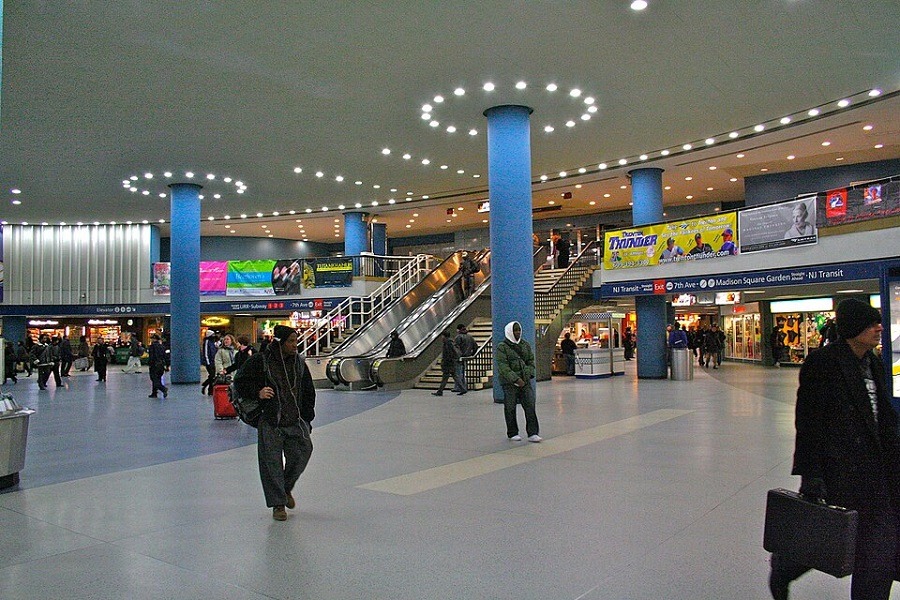
New York City’s Penn Station serves as a foundational pillar of the region’s transportation network, primarily synonymous with extensive rail services. Professionals frequently utilize this vital hub, necessitating clear, efficient transit solutions. While a dedicated station does not operate as a standalone facility in the manner of the Port Authority Terminal, Penn Station’s strategic location significantly enhances access to a broad spectrum of services. This guide clarifies how it facilitates crucial connections, empowering business travelers and commuters to optimize their journeys.
Penn Station’s Role in NYC’s Commuter Ecosystem
The Station, situated in the heart of Midtown Manhattan, functions as a critical junction for Amtrak, Long Island Rail Road (LIRR), and NJ Transit passengers, alongside extensive subway connectivity. This central position positions it as an invaluable gateway for professionals traveling into, out of, and across NYC. While its primary infrastructure supports rail, this strategic placement means it offers unparalleled convenience for connecting to various operations crucial for both daily commutes and intercity travel. Individuals seeking comprehensive services often begin their search correlating with Penn Station due to its accessibility and established transit infrastructure.
Direct Services vs. Proximity to Major Terminals
For intercity travel, the Port Authority Terminal (PABT) remains New York City’s principal hub. From Penn Station, commuters efficiently reach PABT via a brief subway ride (e.g., A, C, E lines to 42nd Street – Port Authority Terminal) or a short taxi/rideshare journey. This proximity ensures professionals benefit from seamless transitions between major rail and networks.
Furthermore, several specific services operate with stops directly around the Station. These often include:
Airport Shuttle Services: Many private shuttle companies provide direct routes from Penn Station-adjacent curbside locations to NYC’s major airports (JFK, LaGuardia, Newark Liberty).
Private Charter and Tour Buses: Various private operators and tour companies designate pickup and drop-off points near it, catering to corporate groups or specialized travel needs.
Select Intercity Lines: While less common than PABT, some smaller intercity carriers or express services occasionally utilize specific street-level stops within walking distance of the hub, offering alternative travel options. Always verify the exact departure location with your chosen bus operator.
Optimizing Your Travel
Professionals demanding efficiency in their travel planning benefit from a clear understanding of connectivity. We recommend the following strategies:
Verify Operator Locations: Always confirm the precise pickup or drop-off point with your company. Websites and booking confirmations provide essential location details and often include maps.
Utilize Transit Apps: Leverage real-time transit applications to navigate subway connections to PABT or locate specific street-side stops around it. These tools provide accurate arrival times and route information.
Factor in Transfer Time: When planning connections from rail to bus, allocate ample time for transfers, especially if traveling to PABT during peak hours. A well-planned buffer ensures a stress-free transition.
The Future of Connectivity
As New York City continues to evolve its transit infrastructure, including the ongoing enhancements around Moynihan Train Hall, the integration and access to all forms of transportation will likely improve. These developments consistently aim to streamline commuter experiences, including facilitating more efficient connections to and from services.
Penn Station, while not a terminal itself, undeniably functions as a premier access point for a myriad of travel options. Professionals strategically leverage its central location to connect with major intercity services at the Port Authority Bus Terminal or directly access specialized shuttles and private operators. Understanding these connections empowers individuals to navigate New York City’s dynamic transit landscape with confidence and efficiency.


