


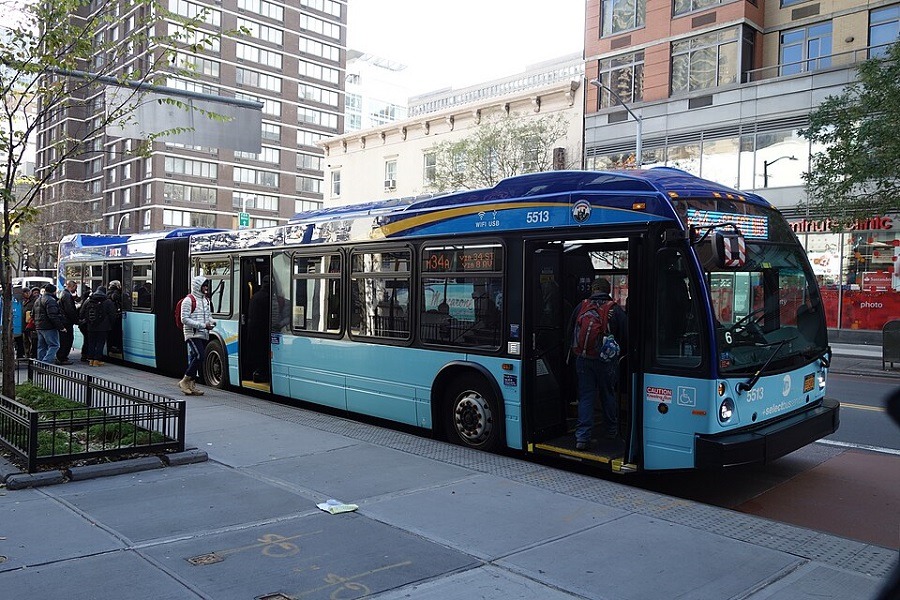
At its core, the Mid Town Bus Terminal functions as a comprehensive transportation facility dedicated to land transport operations. It consolidates numerous lines—catered to intercity, regional, and local routes—into a single, organized structure. More than just a departure and arrival point, it acts as a strategic transfer hub, integrating various public transit options and offering direct access to key urban districts. Professionals frequently utilize its services for business travel, daily commutes, and connecting to other logistical centers.
Defining the Terminal
The Terminal represents a cornerstone of urban and regional transit. It serves a critical nexus for millions of commuters and travelers annually. For professionals navigating the complexities of modern city life or requiring efficient intercity connectivity, understanding this central transportation hub is paramount. This blog post elucidates the operational significance and multifaceted role of the station. The explanation also highlights its invaluable contribution to seamless mobility.
Key Features and Operational Efficiency
The terminal typically offers an array of features designed to enhance passenger experience and operational fluidity. Modern facilities boast advanced ticketing systems, comfortable waiting areas, and clear signage for intuitive navigation. Essential amenities often include secure baggage handling, accessible restrooms, retail establishments, and dining options, catering to travelers’ immediate needs. High-speed Wi-Fi connectivity supports professionals who leverage travel time for work, transforming transit into productive hours. Real-time arrival and departure screens provide immediate updates, empowering travelers to manage their schedules effectively.
Strategic Importance for Business and Connectivity
The transport hub plays an indispensable role in the economic and social fabric of its host city. Its strategic location, often central to the urban core, provides unparalleled access to business districts, government buildings, and major event venues. This central positioning significantly reduces travel times and logistical challenges for professionals attending meetings, conferences, or client engagements. Furthermore, the terminal often connects directly to subway lines, commuter trains, and sometimes even airport express services, crafting a truly multimodal transportation ecosystem. This comprehensive connectivity supports sustainable urban development by encouraging public transit use, thereby alleviating traffic congestion and reducing carbon emissions.
Navigating for Optimal Professional Travel
Efficiently utilizing the sevice requires a proactive approach. Professionals benefit from pre-booking tickets online, which often saves time and guarantees seating. Arriving with ample time before departure allows for easier navigation and reduces stress. Leveraging real-time mobile applications for schedules and platform assignments also streamlines the journey. Most modern terminals prioritize accessibility, providing ramps, elevators, and assistive services for all passengers, ensuring inclusive access for every professional.
A Future-Forward Transportation Asset
The Mid Town facility continually evolves, integrating new technologies and service enhancements to meet the demands of a dynamic urban landscape. It remains an essential component of a city’s infrastructure, supporting economic growth, facilitating professional mobility, and fostering community connectivity. For those seeking reliable, efficient, and well-connected travel solutions, the Mid Town Bus Terminal stands as an irreplaceable asset in the modern transportation network.


