


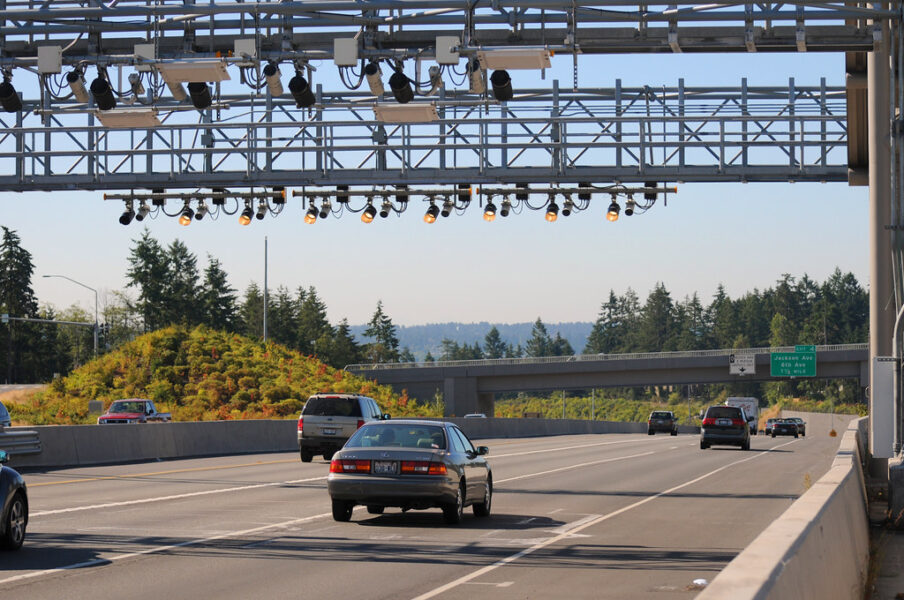
Modern transportation infrastructure relies on seamless connectivity. As traffic volumes increase globally, traditional toll booths—which require drivers to stop, wait, and pay manually—create significant bottlenecks. Electronic Toll Collection (ETC) systems solve this challenge by facilitating non-stop, automated payments. This technology empowers drivers to maintain highway speeds while ensuring efficient revenue collection for infrastructure maintenance.
How Does an Electronic Toll Collection System Work?
An ETC system utilizes a sophisticated combination of hardware and software to identify vehicles and process transactions instantly. Most systems integrate three primary components:
- On-Board Units (OBU) or Transponders: Drivers mount a small radio-frequency identification (RFID) tag on their windshield. This device contains unique account information linked to the vehicle owner.
- Roadside Equipment (RSE): Infrastructure providers install gantries equipped with antennas and sensors above the lanes. As a vehicle passes beneath, the antenna detects the transponder signal and exchanges data.
- Central System/Back Office: The system verifies the vehicle’s credentials and deducts the appropriate toll amount from the user’s pre-paid account or charges their linked credit card.
In regions where vehicles lack transponders, advanced Automatic Number Plate Recognition (ANPR) cameras photograph the license plate. The system then processes the transaction through a database, subsequently mailing an invoice to the registered vehicle owner.
The Benefits of Electronic Toll Collection
Transitioning to automated tolling offers measurable advantages for both public agencies and private citizens:
- Reduced Congestion: By eliminating the need for vehicles to decelerate or stop at plazas, ETC systems increase lane throughput significantly. This constant flow minimizes traffic jams and improves overall travel times.
- Enhanced Environmental Sustainability: Idling vehicles consume fuel and emit greenhouse gases. By allowing vehicles to maintain a steady speed, ETC systems reduce carbon footprints and improve air quality in urban corridors.
- Operational Cost Efficiency: Automated systems require fewer personnel and less physical infrastructure than traditional toll plazas.
- Improved Safety: Stopping at toll booths creates dangerous merging patterns and increases the risk of rear-end collisions. Free-flow tolling removes these friction points, creating a safer environment for all road users.
The Future of Road Infrastructure
As we move toward “Smart Cities,” ETC systems serve as the foundation for broader Intelligent Transportation Systems (ITS). These systems now support dynamic pricing models, where toll rates adjust in real-time based on traffic volume. By managing demand through technology, authorities can optimize road usage and reduce peak-hour congestion.
Whether you represent a municipal government planning an infrastructure upgrade or a driver curious about highway technology, understand that ETC systems represent the standard for modern mobility. They transform the travel experience from a series of stops into a continuous, efficient journey.


