


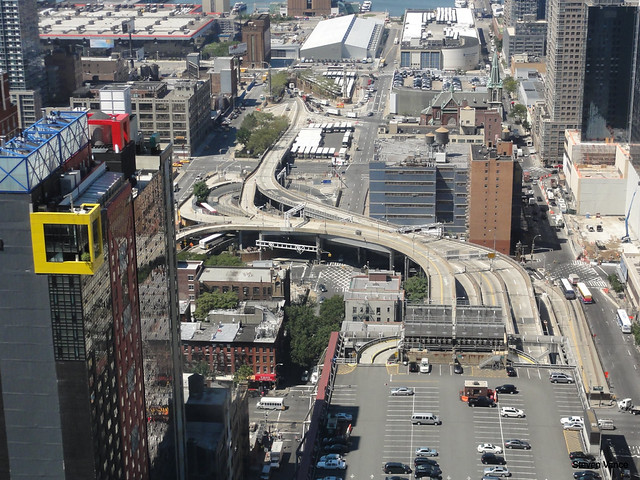
Is the New York Port Authority Bus Terminal safe at night?
Yes, It Is. Read the Premium Terminal Security Measures
Port Authority Police Department (PAPD): Uniformed officers patrol the terminal interior and exterior perimeters continuously. These officers provide a constant presence, deterring misconduct and offering immediate assistance to travelers.
Surveillance Technology: A sophisticated network of high-definition security cameras monitors public areas, concourses, and boarding gates. Security personnel oversee these feeds from central command centers to identify and address issues in real time.
Facility Enhancements: Ongoing renovations have improved lighting, sightlines, and signage. Areas with good lighting significantly lower risks and assist passengers in navigating the multi-level facility with enhanced ease.
Controlled Access: During late-night hours, the terminal limits access points to ensure that staff can effectively monitor passenger flow and maintain authorized entry.
The Port Authority of New York and New Jersey prioritizes the security of all passengers. To maintain a safe environment, the agency implements several robust protocols throughout the terminal:
A Guide to Safety and Procedures
The Port Authority Bus Terminal (PABT) serves as the central hub for millions of commuters making their way into Manhattan.
As the busiest bus terminal in the world, the facility operates 24 hours a day, seven days a week. For many travelers, questions regarding safety during late-night arrivals or departures are common.
Recognizing the security measures established by the facility and employing proactive travel strategies guarantees a more confident experience.
Strategies for a Secure Experience
While the Port Authority maintains high safety standards, travelers should always exercise situational awareness, particularly during late-night hours. Following these practical tips can enhance your personal security:
- Stay in Designated Areas: Remain within the main terminal building while waiting for your bus. Avoid lingering on the surrounding sidewalks of 8th Avenue or 42nd Street, where street-level activity is often less regulated.
- Monitor Your Belongings: Keep your luggage and personal items in your immediate possession at all times. Never leave bags unattended, even for short periods.
- Utilize Official Transportation: If you require a taxi or ride-share service upon arrival, head directly to the designated, well-lit taxi stands or authorized pick-up zones. Avoid soliciting rides from individuals who approach you inside or outside the terminal.
- Maintain Situational Awareness: Minimize distractions such as heavy phone use or wearing noise-canceling headphones while walking through the terminal. Observing your surroundings allows you to respond quickly if you feel uncomfortable.
- Identify Resources: Familiarize yourself with the locations of police sub-stations, information booths, and emergency call boxes. If you ever feel unsafe, do not hesitate to contact a PAPD officer for an escort or assistance.
Conclusion
The Port Authority Bus Terminal provides a vital transit link for the New York metropolitan area. While the busy nature of this transit hub requires personal vigilance, the presence of dedicated police forces and modern security infrastructure supports a secure travel environment. By remaining aware of your surroundings and utilizing official terminal services, you can navigate New York’s late-night transit network with confidence.


