


Before exploring charging technologies, conduct a thorough assessment of your fleet’s operational requirements. This aspect includes:
The transition to electric buses is a significant stride towards sustainable urban transportation. As fleet operators embrace this future, the selection of the right infrastructure becomes paramount. Choosing an efficient, reliable, and scalable solution directly impacts operational costs, route adherence, and overall driver satisfaction. This guide will equip you with the essential considerations for selecting the ideal station for your electric bus fleet.
Understanding Your Fleet’s Needs: The Foundation of Your Decision
Vehicle Specifications: Different electric buses possess varying battery capacities and port types. Confirm the standards your buses support (e.g., CCS, pantograph).
Route Optimization and Dwell Times: Analyze typical routes, mileage, and scheduled stops. Identify opportunities for opportunistic powering during driver breaks or at termini. This dictates the required speed and duration.
Fleet Size and Growth Projections: Determine the current number of buses and anticipate future expansion. Your infrastructure must accommodate current needs and future scalability.
Depot Layout and Space Availability: Assess available space at your depot for charger installation, cable management, and potential future expansion. Consider power grid access and capacity.
Budgetary Constraints: Factor in the initial capital expenditure for hardware, installation, and ongoing operational expenses like electricity and maintenance.
Key Technologies and Considerations
Electric bus charging solutions generally fall into two main categories:
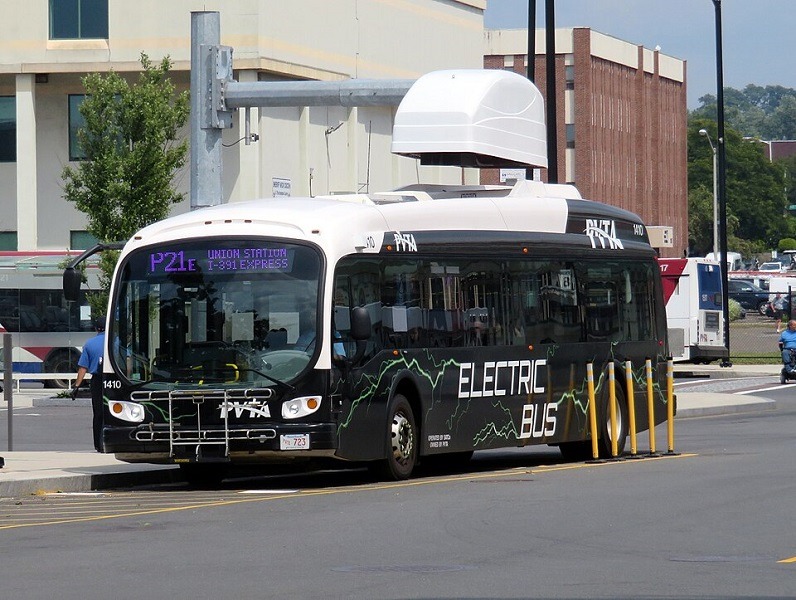
Opportunity: This method utilizes an inverted pantograph mounted on the bus roof that connects to an overhead arm at specific stops or termini.
Pros: Offers rapid charging, enabling buses to top up during short layovers, maximizing uptime and range. Ideal for predictable routes and high-frequency services.
Cons: Higher initial infrastructure cost, requires precise alignment, and can be affected by weather conditions.
Depot: This type involves overnight or during off-peak hours at the depot using posts connected to the grid.
Pros: Typically more cost-effective for initial setup, allows for simultaneous multiple vehicles, and leverages lower off-peak electricity rates.
Cons: Requires sufficient dwell time, less suitable for operators needing rapid top-ups during the day. Speeds can vary significantly from Level 2 (slower) to fast DC.
Essential Features to Prioritize
When evaluating charging stations, look for these critical features:
Speed (Power Output): Higher kilowatt (kW) output translates to faster times. Match the speed to your operational needs and the bus’s onboard charger capabilities.
Reliability and Durability: Opt for robust stations designed for high-usage, outdoor environments. Consider manufacturer warranties and support services.
Smart Capabilities: Look for smart features that allow for remote monitoring, load balancing, scheduled powering to optimize electricity costs, and integration with fleet management software. This is crucial for managing energy consumption and minimizing grid impact.
Safety Standards: Ensure the stations meet all relevant safety certifications and industry standards.
Scalability: Choose a system that allows for easy expansion as your fleet grows. Modular designs and flexible software platforms are beneficial.
Maintenance and Support: Investigate the manufacturer’s maintenance plans, service response times, and availability of spare parts.
Partnering for Success
Selecting the right charging station is a strategic decision that supports the long-term success of your electric bus operations. By carefully assessing your fleet’s unique demands and understanding the available technologies, you can invest in an infrastructure that maximizes efficiency, minimizes costs, and ensures a smooth transition to a cleaner, greener future. Consulting with experienced infrastructure providers can offer invaluable insights and tailored solutions for your specific needs.


