


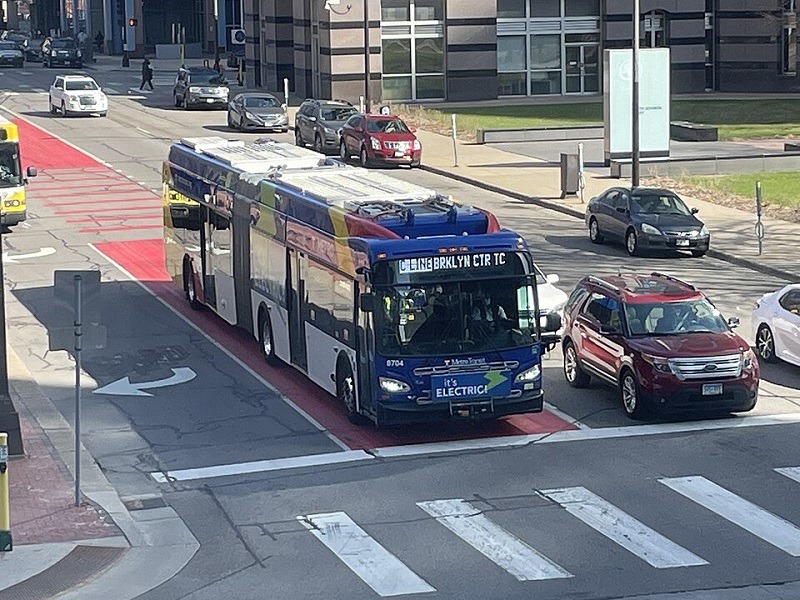
Yes, there are. Across the United States, a growing number of cities and transit agencies are actively deploying and expanding their electric bus fleets.
The transportation sector is undergoing a significant transformation, with electrification emerging as a cornerstone of sustainable development. As industries across the nation pivot towards cleaner energy solutions, a key question arises. These concerns are for those invested in public infrastructure and corporate responsibility:
Are there electric buses in the United States? The unequivocal answer is yes. Green coaches are no longer a nascent concept; they represent a rapidly expanding segment of the American public transit and commercial fleet landscape. This shift is driven by a confluence of factors, including ambitious environmental goals, technological advancements, and increasing operational efficiencies.
The Current Landscape
From bustling metropolises to smaller municipalities, these zero-emission vehicles are becoming increasingly visible on our roads. This adoption is not merely symbolic; it reflects a strategic commitment to reducing greenhouse gas emissions, improving air quality, and enhancing the passenger experience.
Several leading manufacturers now offer a diverse range of bus models, catering to various operational needs, including:
Standard Transit: These are the familiar workhorses of public transportation, now available with batter powertrains.
Articulated: For routes with higher passenger demand, smart articulated ones provide increased capacity without compromising on emission-free operation.
Shorter-Range and Specialty: Smaller clean energy vehicles are also making inroads for campus shuttles, airport transportation, and other specialized applications.
States like California, New York, and Washington have been at the forefront of emission free bus adoption, incentivizing their deployment through grants and regulatory mandates. However, the trend is not confined to these early adopters; transit agencies nationwide are recognizing the long-term benefits.
Driving Forces Behind the Revolution
Several compelling factors fuel the increasing adoption of these vehicles:
Environmental Imperatives: The urgent need to combat climate change and improve urban air quality makes them a critical tool. They produce zero tailpipe emissions, directly reducing particulate matter and nitrogen oxides that harm public health.
Operational Cost Savings: While the initial purchase price can be higher, they offer substantial savings over their lifecycle. Lower fuel costs and reduced maintenance requirements (fewer moving parts in the powertrain) contribute to significant operational efficiencies.
Technological Advancements: Battery technology continues to improve, offering longer ranges, faster charging times, and greater reliability. Charging infrastructure is also becoming more robust and scalable.
Government Support and Incentives: Federal and state governments, along with local initiatives, provide financial incentives, grants, and tax credits that help offset the upfront investment for transit agencies and private operators.
Enhanced Passenger Experience: They operate with significantly less noise and vibration than their diesel counterparts, leading to a more comfortable and pleasant journey for passengers and a quieter urban environment.
The Future
The presence of electric buses in the United States is not just a fleeting trend; it signifies a fundamental shift in how we approach public and commercial transportation. As technology matures and infrastructure expands, we can expect to see an even more widespread integration of these sustainable vehicles. For industry professionals, staying informed about this evolving landscape is crucial. They are needed for strategic planning, investment, and contributing to a cleaner, healthier future. The electrification of our bus fleets is well underway, and the momentum shows no signs of slowing.


