


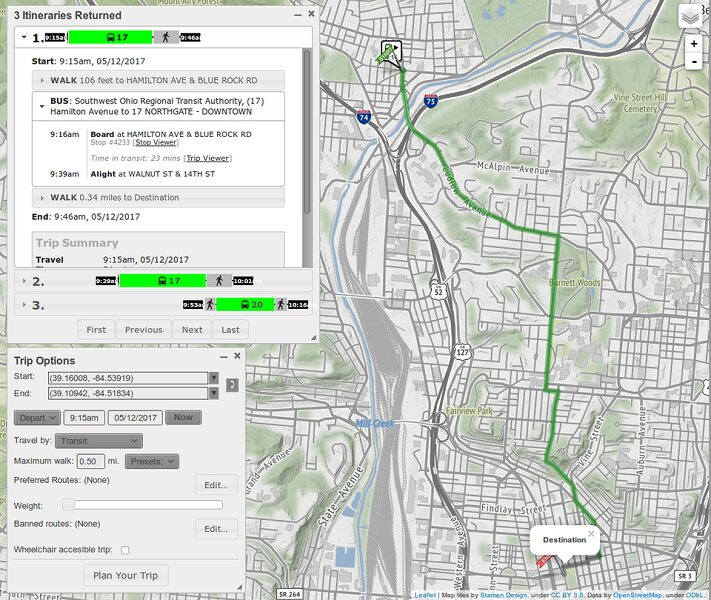
For professionals, efficient and reliable public transport is crucial. A well-executed commute sets the tone for a productive day, while delays can disrupt schedules and create unnecessary stress. Bus route planners offer invaluable tools for navigating urban landscapes, yet users frequently encounter pitfalls that undermine their effectiveness. This article outlines six common mistakes individuals make when utilizing a planner and provides actionable strategies to ensure a seamless, punctual journey.
Common Pitfalls in Bus Route Planning
Mastering your planner requires attention to detail and proactive engagement with available information. Avoid these prevalent errors to optimize your travel experience.
1. Neglecting Real-Time Updates
Many users input their destination and immediately proceed to the stop without consulting real-time information. Schedules, while generally reliable, are susceptible to unpredictable variables such as traffic incidents, weather conditions, or unforeseen operational issues. Relying solely on static schedule data often leads to extended wait times or missed connections.
Solution: Always verify your planned journey with the live update feature just before departure. Many applications display current locations and estimated arrival times, empowering you with the most accurate information.
2. Overlooking Service Disruptions and Detours
Services occasionally experience planned or unplanned disruptions, including route diversions for roadworks, special events, or emergency detours. Professionals frequently miss these critical alerts, only discovering the change upon reaching their intended stop or realizing it takes an unexpected path.
Solution: Thoroughly review any displayed service alerts or notifications.. Additionally, check the official transport authority’s website for comprehensive updates regarding specific routes before commencing your trip.
3. Incorrectly Interpreting Schedule Information
They present a wealth of data, which users sometimes misinterpret. Common errors include confusing weekday schedules with weekend or holiday timetables, mistaking express services for local routes, or overlooking variations in service frequency during peak versus off-peak hours. This misreading leads to arriving too early, too late, or waiting for a service that operates on a different schedule.
Solution: Carefully examine all schedule details. Confirm the specific day of the week and time of day your journey falls under. Understand the difference between various service types (e.g., local, express, limited-stop) to ensure your chosen meets your travel needs.
4. Dismissing Transfer Point Logistics
When a journey requires multiple routes or transfers between different modes of public transport, individuals often underestimate the time and complexity involved in making these connections. Dismissing the walk time between stops, the potential for connection delays, or the layout of an interchange station can result in missed subsequent services.
Solution: Account for a realistic buffer time between transfers. Acknowledge the physical distance between transfer stops and factor this into your overall journey estimate. Some applications offer detailed transfer guidance; utilize these features fully.
5. Relying Solely on One Planner Application
While a primary bus route planner is convenient, exclusive reliance on a single platform can sometimes limit the scope of available information or prevent access to alternative routes. Different applications may integrate with various data sources, offer unique features, or provide slightly different route suggestions based on their algorithms.
Solution: Consider cross-referencing your planned journey with one or two alternative applications or official transport agency websites. This approach helps confirm the best route, identifies potential discrepancies, and ensures you explore all viable public transport options.
6. Failing to Account for Peak Hour Congestion
Public transport, particularly routes, operates within the broader urban traffic network. During peak commuting hours, increased road congestion directly impacts travel times, often extending journey durations significantly beyond standard estimates. Many professionals fail to factor this crucial element into their route planning.
Solution: If your travel falls within typical peak hours (e.g., morning and evening rush), add an additional buffer to your estimated journey time. Some route planners offer predictive traffic analysis; leverage these features to obtain a more accurate real-world travel estimate.
Optimize Your Commute with Smarter Planning
Efficient bus route planning directly contributes to professional punctuality and reduces daily commuting stress. By recognizing and actively avoiding these common mistakes, you empower yourself with accurate information and robust travel strategies. Embrace a comprehensive approach to using your application, incorporating real-time data, understanding service nuances, and confirming all details. This diligence transforms your public transport experience, ensuring you reach your destination reliably and on schedule.


