


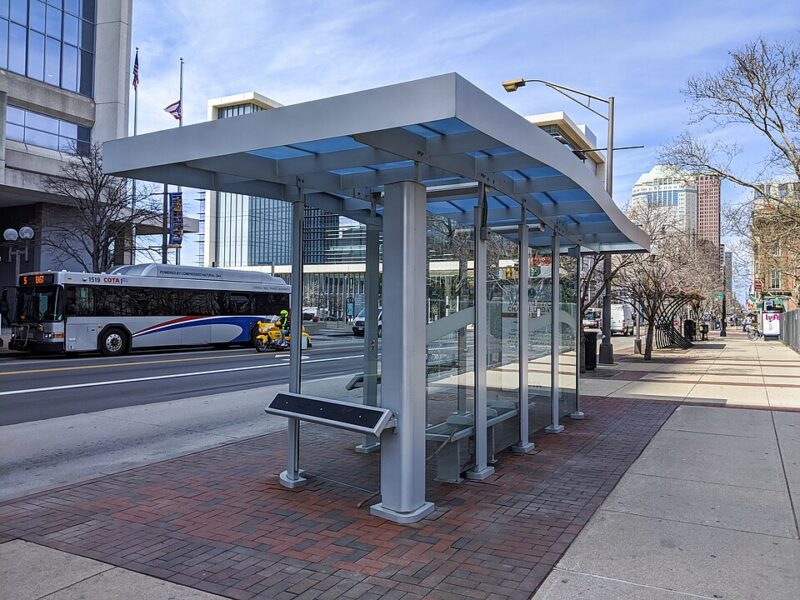
Modern urban planning faces a critical challenge: balancing rapid population growth with the urgent need for environmental sustainability. As cities expand, municipal authorities increasingly recognize the bus stop as more than a simple waiting area. Today, city planners are reimagining these transit points as vital components of a greener, more resilient urban landscape.
By integrating sustainable design into public infrastructure, authorities improve air quality, manage stormwater, and bolster biodiversity. This shift represents a fundamental evolution in how we view the daily commute.
The Rise of “Living Roofs” and Biodiversity
Many forward-thinking cities now install “bee stops”—bus shelters topped with sedum, wildflowers, or native grasses. These living roofs provide essential habitats for pollinators, including bees and butterflies, which struggle to survive in concrete-heavy environments. Beyond supporting local wildlife, these green roofs capture particulate matter from the air, filter pollutants, and mitigate the “urban heat island” effect. By cooling the immediate area, these shelters offer commuters a more comfortable experience during increasingly frequent summer heatwaves.
Smart Design and Sustainable Materials
City authorities are moving away from traditional, energy-intensive materials. New infrastructure projects now prioritize recycled steel, reclaimed timber, and low-carbon concrete. Furthermore, engineers equip many modern shelters with high-efficiency LED lighting powered exclusively by rooftop solar panels. These off-grid energy systems reduce a city’s carbon footprint while minimizing the reliance on aging electrical grids.
Stormwater Management and Permeable Surfaces
Traditional asphalt surfaces contribute significantly to urban flooding by preventing natural drainage. Modern transit hubs now incorporate permeable paving and integrated rain gardens. These features capture rainwater, filter out contaminants, and allow water to percolate into the ground slowly. By managing water at the source, cities reduce the burden on municipal storm sewers and prevent overflows during heavy rainfall events.
Enhancing the Commuter Experience
Sustainability goes hand-in-hand with accessibility and comfort. Authorities know that to encourage public transit use, they must provide a high-quality experience. Environmentally friendly bus stops often feature real-time transit data displays powered by clean energy, comfortable seating made from sustainable materials, and clear signage that encourages seamless multi-modal travel. When cities invest in pleasant, eco-conscious infrastructure, they increase public satisfaction and incentivize residents to choose buses over private vehicles.
Building a Resilient Future
The transition toward green transit infrastructure requires collaboration between urban planners, environmental engineers, and local governments. As more cities adopt these innovative designs, they prove that environmental responsibility creates tangible benefits for the entire community.
These “green hubs” demonstrate that thoughtful urban design addresses climate change while enhancing the livability of our metropolitan areas. By prioritizing ecological health today, city authorities ensure a cleaner, more sustainable transit network for future generations.


