


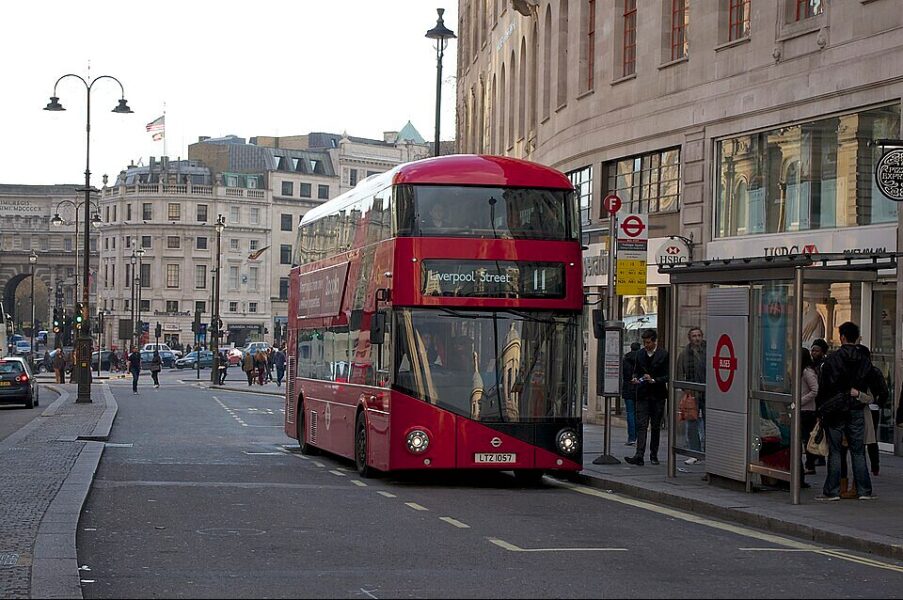
London’s red bus network serves as the lifeblood of the capital, connecting thousands of neighborhoods with unparalleled efficiency. With over 19,000 stops across the city, navigating the system requires an understanding of the major interchanges that anchor London’s transport infrastructure. Whether you are a daily commuter or a visitor exploring the city, identifying these key hubs will streamline your journey.
Victoria Coach and Bus Station
Victoria serves as the primary bus stop for both domestic and international travelers. Located adjacent to the National Rail and Underground stations, the bus terminals here handle high volumes of passenger traffic. This hub provides seamless connections to Gatwick Airport, regional coach services, and a vast array of central London bus routes. Its central location makes it the most significant transit point for those arriving from outside the capital.
Waterloo: The South Bank Connection
The area surrounding Waterloo Station functions as a vital arterial hub for South London. Thousands of passengers utilize these stops daily to access iconic landmarks such as the Southbank Centre, the London Eye, and the Royal Festival Hall. Because of its proximity to major rail links, Waterloo acts as a transition point for commuters moving between the suburbs and the heart of the government district in Westminster.
Trafalgar Square and Charing Cross
Trafalgar Square stands as the historical and cultural center of London. As a primary intersection for numerous bus routes, it serves as a central interchange for night buses and daytime services alike. If you are traveling through the West End, you will likely pass through or near these stops. This location offers easy access to major museums, theaters, and shopping districts, cementing its role as an essential node in the city’s transport grid.
Liverpool Street and the City
Serving the financial district, the bus stops at Liverpool Street facilitate movement for thousands of professionals. As the city evolves, this hub continues to expand its capacity to support the increased demand from the Elizabeth Line. These stops connect the historic Square Mile with East London, acting as a bridge between high-frequency office transport and residential travel.
Optimizing Your Journey
To navigate these hubs effectively, we recommend utilizing the following tools:
- TfL Journey Planner: Use the official Transport for London (TfL) website or application to receive real-time updates regarding bus arrivals and potential delays.
- Contactless Payment: Ensure you have a contactless bank card or an Oyster card ready to tap upon boarding, as London buses no longer accept cash.
- Real-Time Signage: Look for the digital countdown displays at major stops, which provide accurate estimations for upcoming arrivals.
London’s bus network operates 24 hours a day, offering reliable transit across the capital. By familiarizing yourself with these principal hubs, you gain the confidence to traverse the city with ease. Plan your route ahead of time and experience the most efficient way to witness the architectural and cultural landscape of London.


