


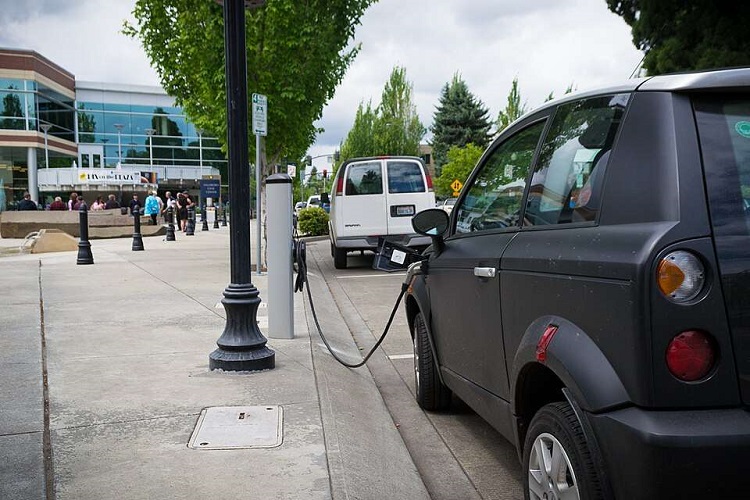
Electric Vehicle (EV) adoption in Accra accelerates, fueled by environmental imperatives and compelling reductions in operational expenditures. Consequently, the accessibility and cost structure of public charging infrastructure present a critical consideration for both prospective and current EV owners. Navigating the dynamic landscape of charging station pricing becomes essential for robust budget forecasting and extracting the maximum economic benefit from EV ownership within the Ghanaian capital.
Pricing Structure: Variability Across Operators
Accra’s EV charging ecosystem remains nascent, featuring a mosaic of early private installations, private adopters, and an expanding commercial network. Multiple operators are actively establishing market presence, deploying diverse charging speeds—ranging from slower AC (Alternating Current) units, fitting for extended parking, to powerful DC (Direct Current) fast chargers built for rapid replenishment. Since each operator independently establishes its pricing schema, significant variability emerges across the metropolitan area.
Generally, EV charging providers implement their pricing via distinct models:
Per Kilowatt-hour (kWh): This transparent model, analogous to traditional fuel purchasing, bills users solely for metered energy consumption.
Per Minute: Operators charge based on session duration, a model that introduces unpredictability due to variations in vehicle charging curves or inconsistent power delivery.
Session Fees: Providers impose a fixed, flat fee for initiating a session, potentially supplementing the energy- or time-based charges.
Subscription Models: Certain providers offer reduced per-kWh rates or unlimited access via monthly membership plans, optimizing costs for high-frequency users.
Multiple vectors influence the price EV owners ultimately remit. Charger type and speed represent the dominant factor. DC fast chargers, demanding intricate infrastructure and rapid power transfer, consistently command a higher per-kWh tariff than standard AC units. Time of day also plays a role; certain operators implement strategic peak and off-peak pricing to mitigate grid stress. Furthermore, specific factors like charging station location (e.g., high-traffic commercial centers versus remote access points) and the deployed network operator contribute materially to pricing differentials.
Market Dynamics and Observed Tariffs
Real-time tariffs necessitate direct verification with station operators, as prices fluctuate regularly. Observed market rates in Accra currently establish AC charging within the range of approximately GHS 3.50 to GHS 6.00 per kilowatt-hour. DC fast charging, which provides superior turnaround efficiency, commands a premium, generally settling between GHS 7.00 and GHS 12.00 per kilowatt-hour. This higher range directly reflects the significant capital investment and escalated operational expenditure associated with deploying and maintaining high-power infrastructure. These preliminary figures remain indicative and will adjust as market consolidation and inter-operator competition intensify.
Market Maturity: Enhancing Affordability
Despite these infrastructure costs, public EV charging routinely provides a more advantageous economic alternative compared to conventional petrol or diesel fuel, particularly when accounting for the inherent energy efficiency of electric powertrains. As Accra’s EV ecosystem evolves, increasing commercial competition and critical standardization will deliver greater pricing transparency and foster highly competitive cost structures, thereby significantly increasing the attractiveness of electric mobility throughout Ghana.


