


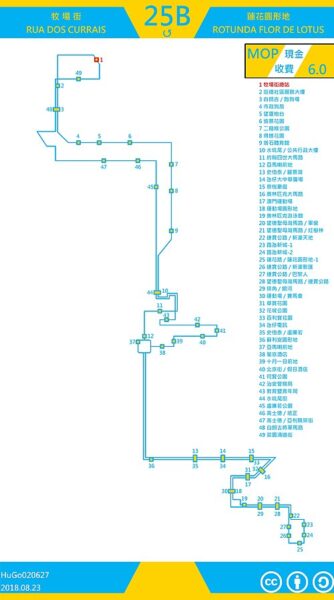
Designing an efficient public transit network is a crucial exercise in urban optimization, aiming to maximize ridership and service reliability while minimizing operational expenditures. The creation of high-performing bus routes moves beyond simply covering territory; it requires a strategic, data-driven approach centered on user behavior and network geometry.
Start with key data metrics that recognize traffic dynamics
The foundational step in route planning involves rigorous travel demand analysis. Planners must transition from relying on assumptions to utilizing empirical data, including cell-phone aggregation data, origin-destination surveys, and existing ridership metrics. These tools allow authorities to map “desire lines”—the most common, unconstrained paths travelers wish to take. Efficient routes are those that deliberately follow these lines, ensuring that transit infrastructure serves actual mobility needs rather than merely conforming to historical street layouts or political boundaries.
A critical consideration is the inherent trade-off between network coverage and directness. While serving every street is tempting, overly circuitous routes severely compromise speed and reliability, deterring potential riders who prioritize journey time. Highly efficient systems often utilize a simplified grid network or a modified hub-and-spoke model, particularly in dense urban areas. The grid structure minimizes unnecessary turns, reduces average travel time, and facilitates easy transfers, which is paramount for overall network health. Simplification is often the key to maximizing speed and frequency along core corridors.
Research road facilities along each route or transit
Efficiency also depends heavily on stop placement and density. Bus stops must be located within easy walking distance of major population and employment generators, yet they should not be so frequent that they significantly increase ‘dwell time’—the time spent stopping and restarting. Best practices suggest spacing stops every one to two city blocks (or approximately 600 to 800 feet) in dense residential areas to strike a balance between pedestrian access and route velocity. Furthermore, infrastructure optimization, such as dedicated bus lanes, queue jumps, and signal prioritization, must be integrated into route design to maintain consistent, rapid service.
Finally
An efficient bus network demands continuous performance review and adaptation. Transit authorities must regularly monitor key performance indicators—such as average speed, on-time performance, and passenger load factors—to identify underutilized segments or bottlenecks. By prioritizing data-driven demand analysis, optimizing network geometry, and integrating infrastructure enhancements, transit agencies can create routes that consistently deliver speed, reliability, and accessibility, thereby increasing sustainable transportation adoption.


