Bus Stop Bus

Bus stop bus with locations and descriptions.

How the city bus system is evolving amongst authorities
Bus Stop Bus

How the city bus system is evolving amongst authorities

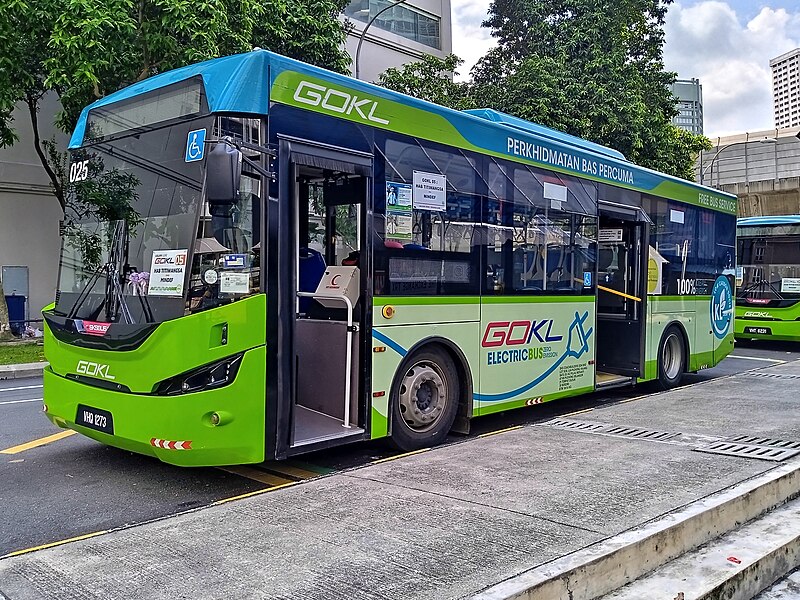
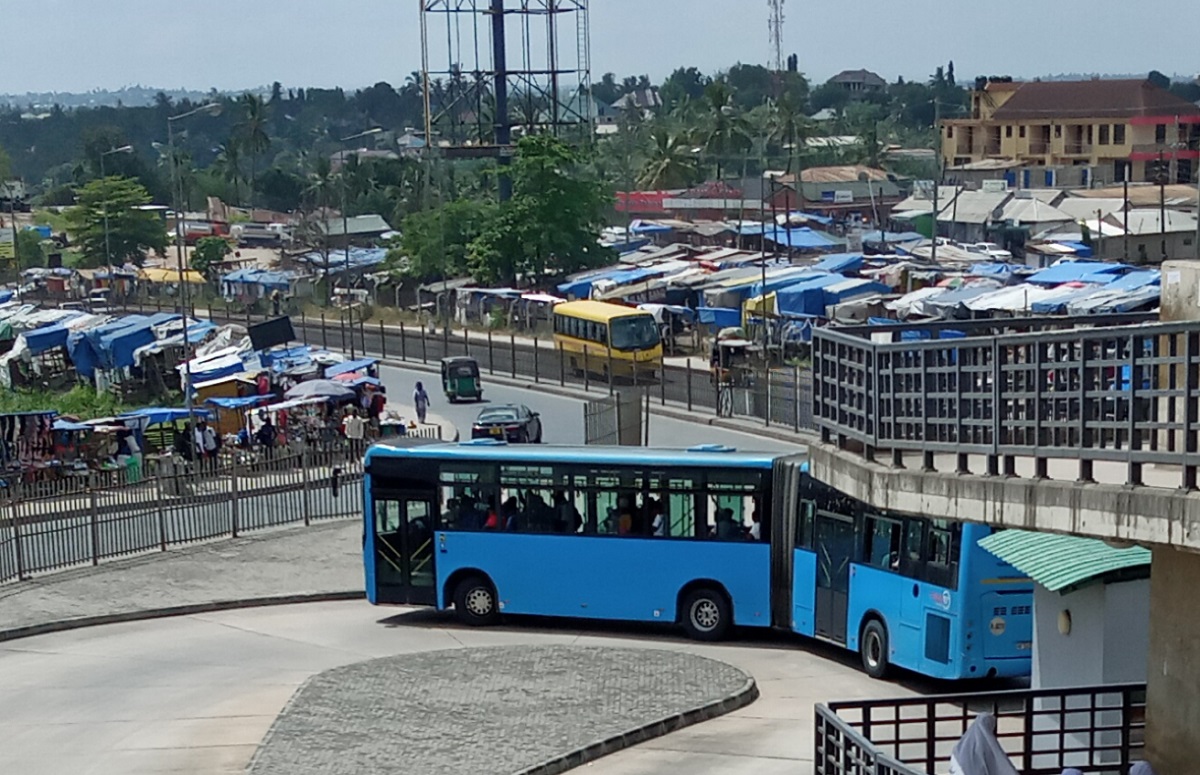
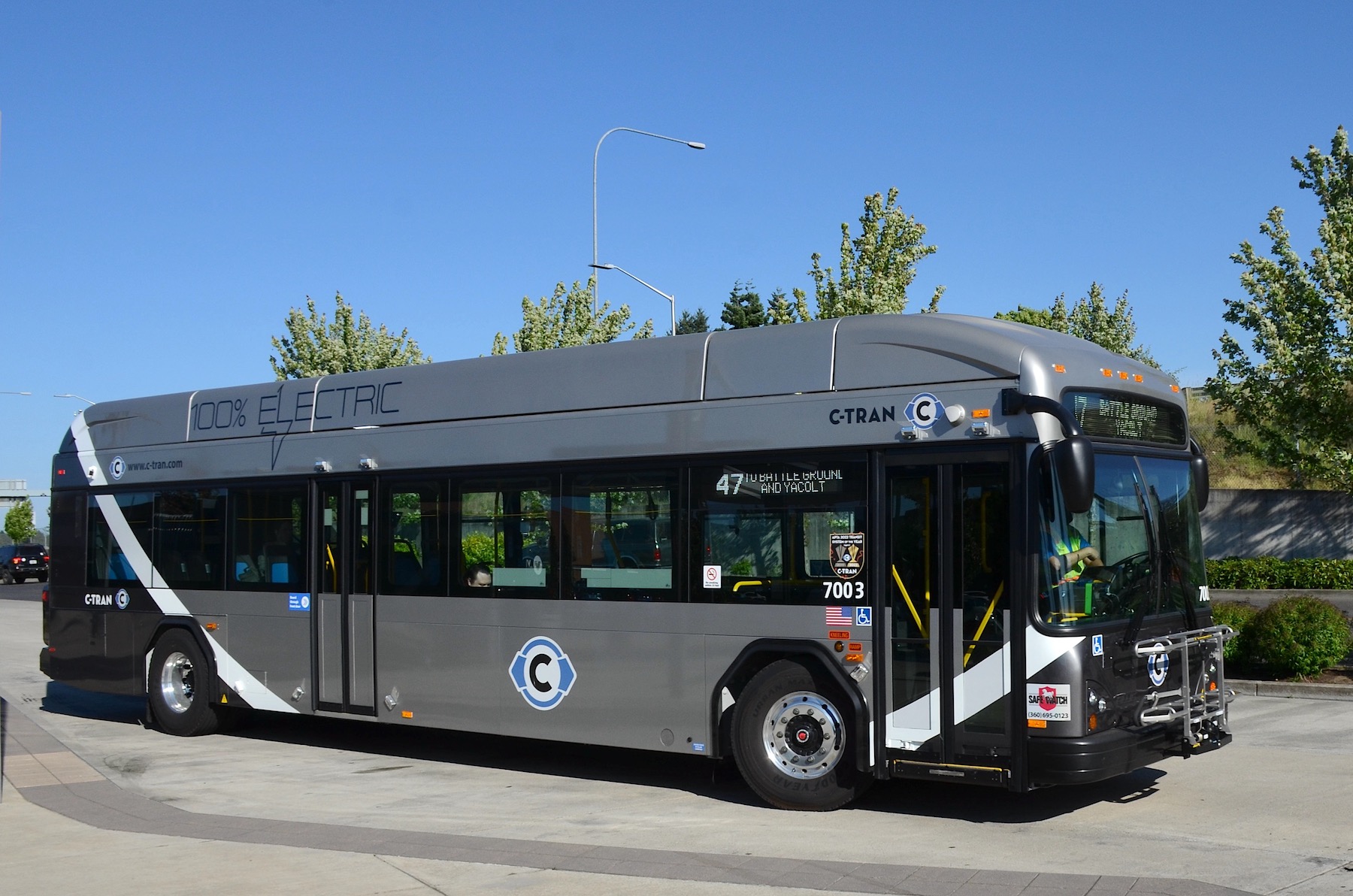
The most popular form of public transportation worldwide. The bus is the most used form of public transportation worldwide, per UITP's knowledge base. We are aware that there is no sustainable way to move around our cities without taking the bus, as millions of trips are made every day. With the development of new services, creative operations, and the promotion of unique policies supporting the industry, the bus's reputation has been revitalized in recent years. The bus has advanced to new heights thanks to fresh, creative policies and strong political will, as evidenced by the success of electric buses and bus rapid transit on a global scale. In addition to lowering emissions and traffic fatalities and easing urban congestion, the bus is essential to the conversation about automat...
Bus Stop Bus

How countries model their city public bus transport systems

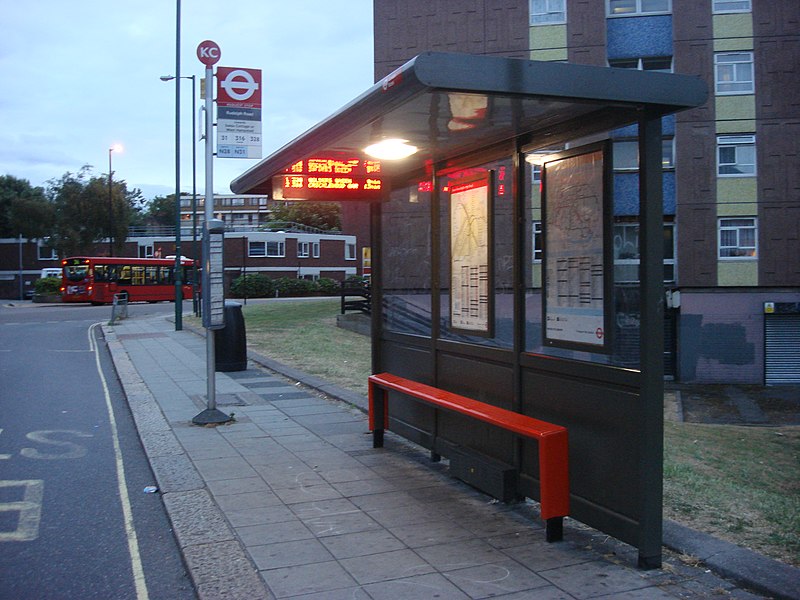
The majority of bus stops are marked by a metal sign that is fastened to a pole or light fixture. A sign affixed to a bus stop bus  shelter is used for some stations, while plastic strips lashed to poles are used for others. It frequently displays the route numbers of all buses that call at the stop, sometimes differentiating between frequent, infrequent, 24-hour, and night services. The emblem of a local transit body that oversees bus services in the area or the logo of the dominant bus operator may also be shown on the flag. ROUTE PLANNING The complete schedule or, for busier routes, the periods or frequency at which a bus will call at the particular stop are frequently displayed at bus stops. There may also be phone numbers for pertinent travel information services, along with ro...
Bus Stop Bus

How bus stops are designed and located in cities around the world

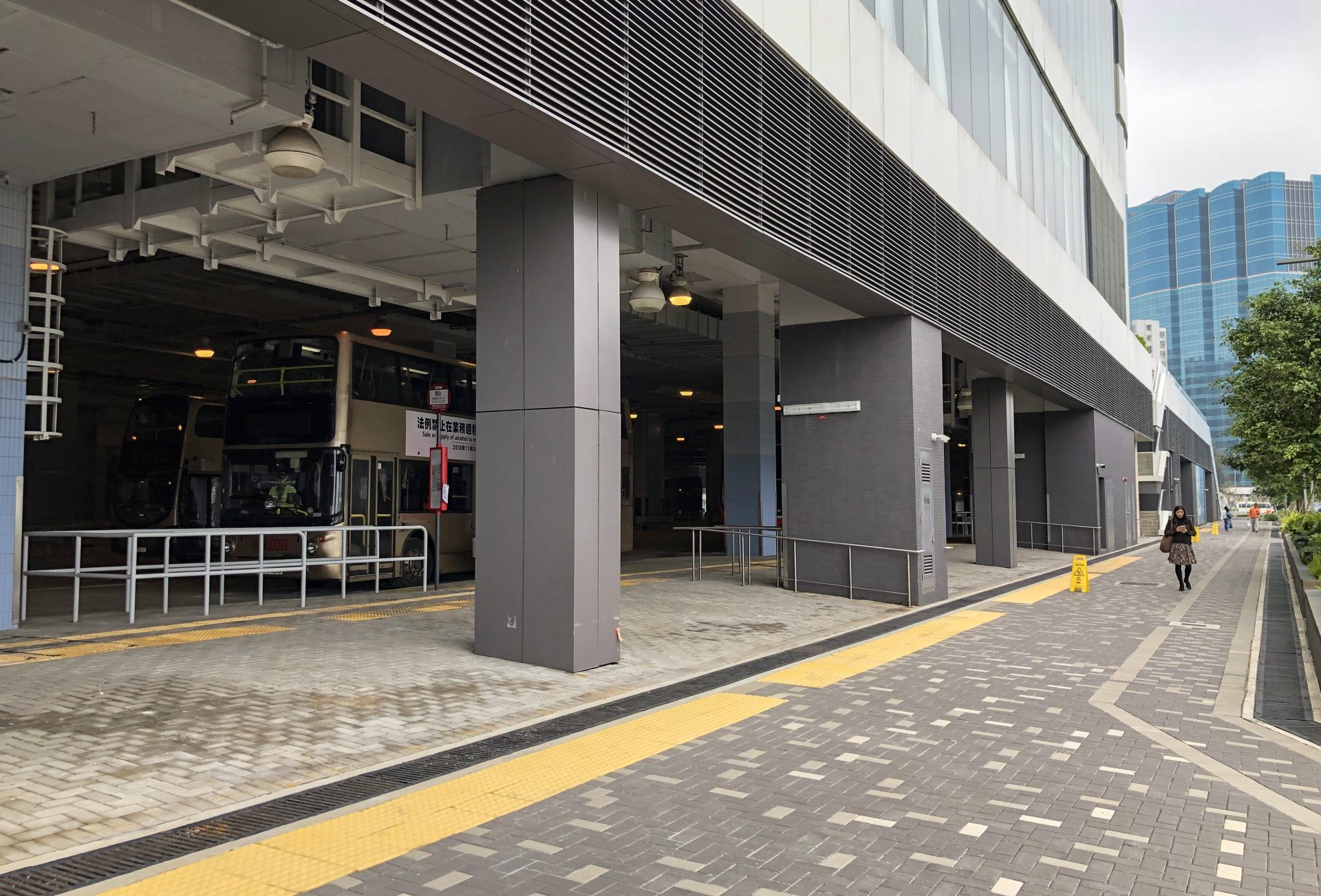
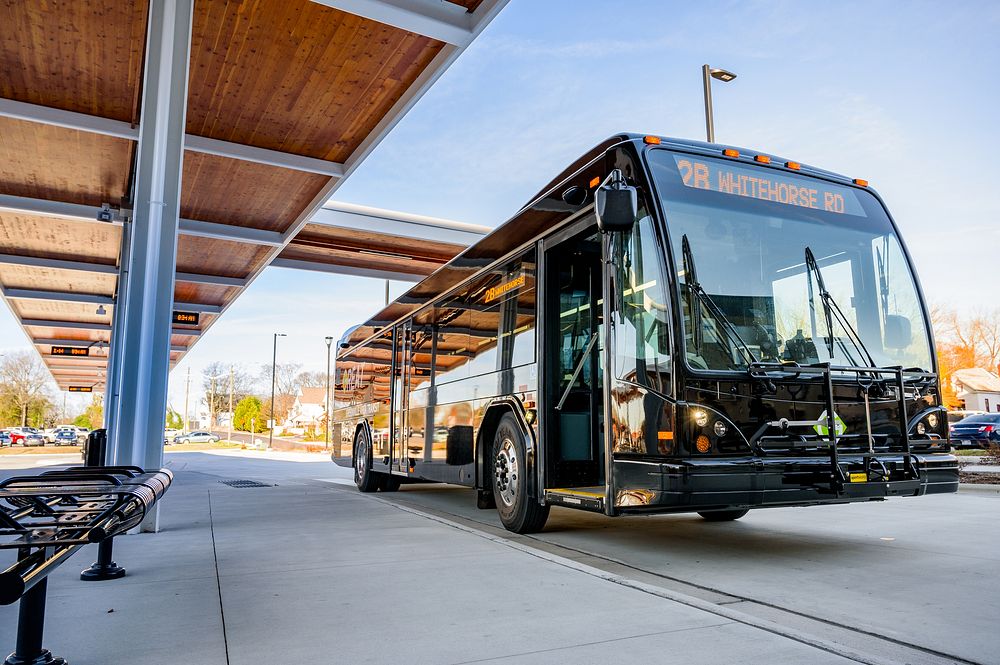
DEFINITION The term "stations" can be used to describe the more complex bus stops seen in bus rapid transit systems as opposed to street bus stops. A bus rapid transit line's bus stops may also be more intricately constructed, with doors separating the enclosure from the bus until it is time to board and level boarding platforms. A bus stop is a location where people can board and disembark from buses. Bus stops' design typically reflects the volume of use; at busy stops, there may be seating, shelters, and even computerized passenger information systems; at less-frequented stops. In order to maximize convenience, bus stations are sometimes grouped together into transportation hubs that enable interchange between routes from neighboring stops and with other public transportation modes....
Bus Stop Bus

How walkability aids discovery and patronage of bus transport

Walkability, as used in urban planning, refers to the ease of accessing facilities on foot such as going to the bus stop bus. Its foundation is the notion that metropolitan areas ought to be more than merely transportation thoroughfares intended to accommodate as many vehicles as possible. Rather, they ought to be somewhat full habitable areas that accommodate a range of users, uses, and modes of transit, hence decreasing the necessity for automobiles for transportation. Research A study made an effort to quantify the subjective aspects of the urban street environment in a thorough and impartial manner. Five urban design attributes—imageability, enclosure, human scale, transparency, and complexity—were assessed in terms of the physical features of roadways and their edges using scores fr...
Bus Stop Bus

How traffic signs help passengers travel conveniently from stops

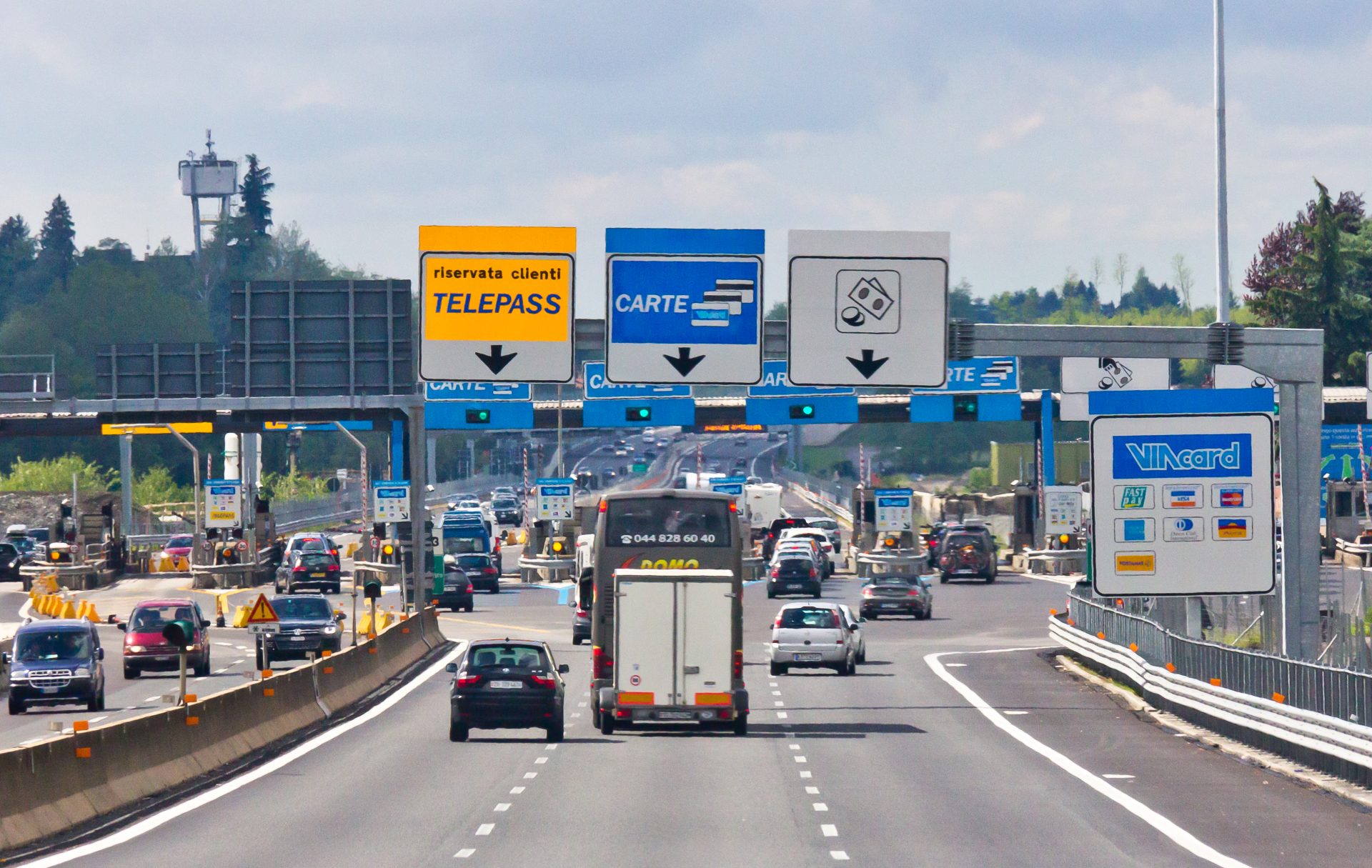
An introduction to signs Road signs, often known as traffic signs, are signs placed beside or above roads to advise or instruct drivers. Simple milestones made of stone or wood were the first indications. Later, signs with directing arms were added, such as the wooden fingerposts at bus stop bus in Saxony and the fingerposts in the United Kingdom. Many nations have implemented pictorial signs or other simplified and standardized signs in order to improve traffic safety and eliminate linguistic barriers as a result of the increase in traffic volumes since the 1930s. These graphical signals are typically based on international norms and substitute symbols for words. Originally created in Europe, these signs have been embraced to varied degrees by the majority of nations. Standards A certa...
Bus Stop Bus

How road safety bus rules protect the passenger

Road traffic safety encompasses the techniques and precautions preventing severe injuries and fatalities among road users. Common road users include pedestrians, cyclists, drivers, vehicle passengers, and public transportation patrons. Best Industry Practice A Safe System approach fundamentally ensures that, during an accident, impact energies remain below the threshold for severe injury or fatality. The protection level provided to affected road users dictates this crash-specific threshold. For example, a properly restrained motor vehicle occupant has a critical impact speed between 50 and 70 km/h. Conversely, an unprotected pedestrian's survival odds rapidly diminish when a vehicle strikes them at speeds exceeding 30 km/h. Regulations Agencies should implement a hierarchy of control,...
Bus Stop Bus

How bus shelters are constructed and maintained by city authorities

Any effective urban mass transit system must have a decent bus shelter. The definition of "good," however, varies depending on your perspective. According to the city organization in charge of overseeing it, a good shelter is one that requires little upkeep and is impervious to vandalism. According to the rider, the perfect shelter is one that is safe, pleasant, convenient, and offers clear information. It should also allow visibility and quick access to the bus stop bus. Because an underutilized shelter is a waste of money and an unneeded maintenance issue, both points of view are equally vital to take into account. Waiting for a bus can be made enjoyable and even fascinating with a well-thought-out, cozy shelter! Unfortunately, there are also a lot of shelters with subpar designs. DESIG...
Bus Stop Bus

How to distinguish a bus stop from a bus shelter

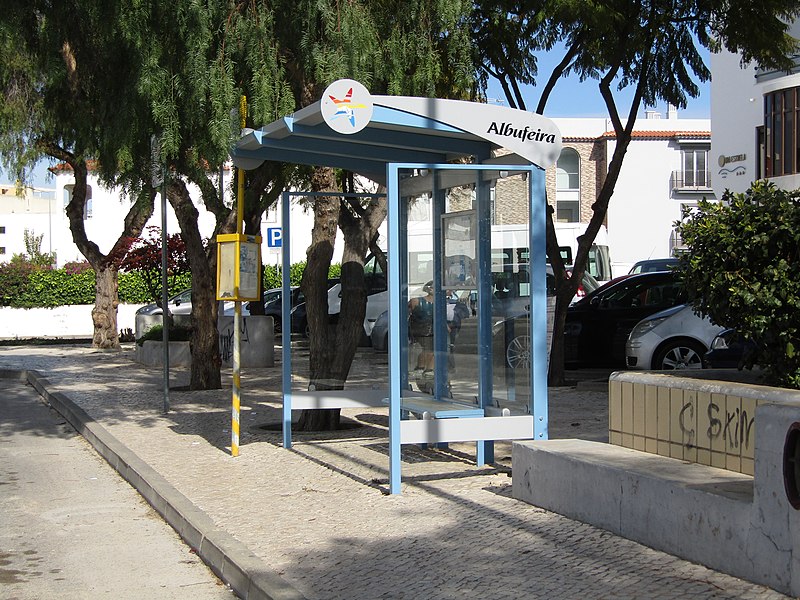
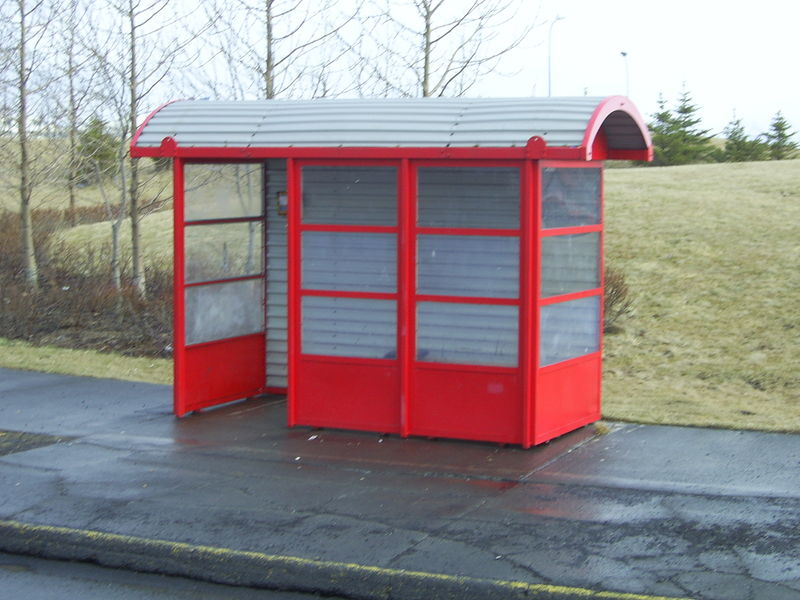
A "bus shelter" is a covered building that shields passengers waiting for the bus from the elements. It usually consists of clear plastic or glass, and it might feature panels for information and seating. Its primary function is to give passengers shelter and comfort as they wait for the bus. Here's an illustration of its utilization. However, bus stop bus is a specific spot on the road where busses pull over to pick up and drop off people. It lacks a structure; instead, it could be a sign or a post that directs travelers to wait. Along roads and highways, two different structures are commonly visible to help those who use public transportation: bus stops and bus shelters. The main differences between a bus shelter and a bus stop are their respective layouts and purposes. A bus stop is ...
Bus Stop Bus

Bus transport and spatial planning in the cities

The professional field of spatial planning that is in charge of creating public transportation systems is known as transit planning or public transport planning. It is a hybrid field that incorporates elements of both conventional urban planning and transportation engineering. In fact, a lot of transit planners end up discussing urban land-use concerns like transit-oriented development. Some systems compensate by running a timed-transfer system to maximize the quality of visits for clients. According to this strategy, bus routes are planned to meet at a central point at specific times. After that, clients move. PLANNING FOR EFFICIENCY Transit planners frequently take into account the additional effects of transportation projects in addition to meeting the needs of their clients. When cho...
Bus Stop Bus

How the Reykjavik city buses work the tracks and destinations

It might be challenging to become comfortable with public transportation in a new city, so how does it operate in Reykjavik? Which modes of transportation are available, and how is payment made? How can you determine which bus to board? Continue reading to learn everything there is to know about Reykjavik's  bus stop bus  public transit system. The Straeto bus system is Reykjavik's sole public transit option and the main means of getting around the city without a rental car. The bright yellow hue of these city buses makes them clearly identifiable, and there are handy bus stations near well-known attractions and lodging options in Reykjavik. BUS LINES Public buses can take you to some places in the countryside, but unless you want to continue your journey on foot or by bicycle, you won't...
Bus Stop Bus

Operating the bus transit system in a metropolitan ecosystem

In the USA, public transit plays a significant role in daily life. You will have access to public transit, including bus stop bus , taxis, and the subway, if you live in a large city. Public transit may be scarce or nonexistent in rural or non-urban locations. Additionally, several cities offer cars or vans designed especially for the elderly and disabled. ABOARD The cost of your bus travel is the fare, which you pay to the bus driver. If you plan to take the bus frequently, purchasing a monthly pass is frequently less expensive. You can carry a piece of paper with the name of the destination written on it. If there are no seats available, look for an empty seat or something to grab onto. DISEMBARKING Before you reach your stop, you sometimes need to ring a bell or buzzer, typically ...
Bus Stop Bus

Notes on improving city bus services. A practical approach.

EMPHASIS Although trains receive a lot of attention, buses may also provide effective public transportation services—that is, if we can get over a few basic issues. Buses and cars share roadways, which is the primary source of problems. bus stop bus travel tends to be less efficient as a result, unless it has a dedicated corridor like railroads. Long travel durations, frequent stops, and delays in passenger pickup and drop-off are all caused by traffic congestion. Limited off-peak service, subpar shelters, and erratic schedules are other problems. None of these issues are intractable. Buses have the potential to be an important part of public transportation with careful planning and focused funding. A GUIDE TO EFFICIENCY Here, we present six ideas for improving buses. According to resea...