


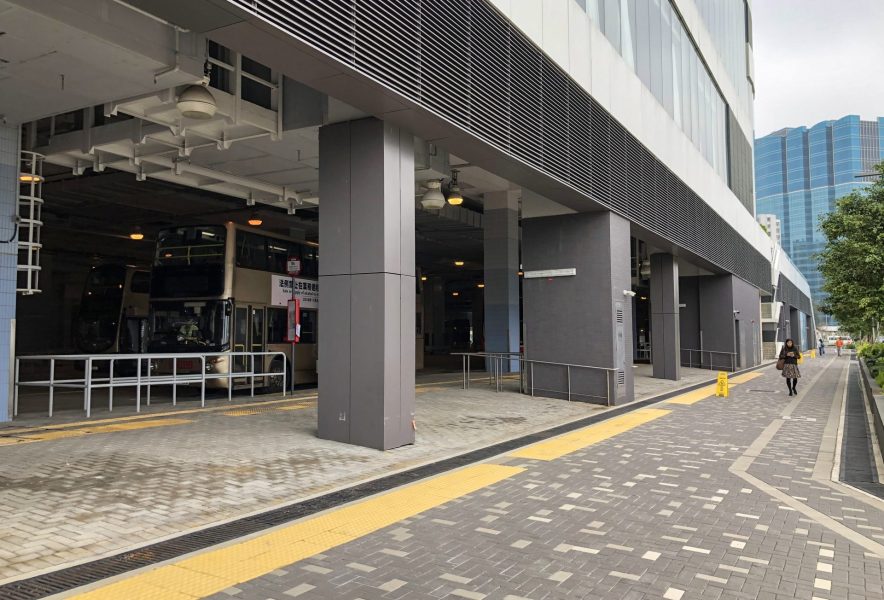
Road traffic safety encompasses the techniques and precautions preventing severe injuries and fatalities among road users. Common road users include pedestrians, cyclists, drivers, vehicle passengers, and public transportation patrons.
Best Industry Practice
A Safe System approach fundamentally ensures that, during an accident, impact energies remain below the threshold for severe injury or fatality. The protection level provided to affected road users dictates this crash-specific threshold. For example, a properly restrained motor vehicle occupant has a critical impact speed between 50 and 70 km/h. Conversely, an unprotected pedestrian’s survival odds rapidly diminish when a vehicle strikes them at speeds exceeding 30 km/h.
Regulations
Agencies should implement a hierarchy of control, similar to occupational safety and health classifications, because sustainable solutions for all road safety categories remain elusive, particularly for rural and remote roads with minimal traffic. The highest level prioritizes the sustainable prevention of crashes causing significant injuries and fatalities, necessitating consideration of all critical outcome areas.
Real-time risk reduction, the second level, involves providing specific warnings to high-risk users, enabling them to take preventative measures. The third level focuses on lowering crash risk through applying road design standards and guidelines, enhancing driving behavior, and enforcing laws. Critically, attitudes and perceptions significantly influence driver behavior in traffic.
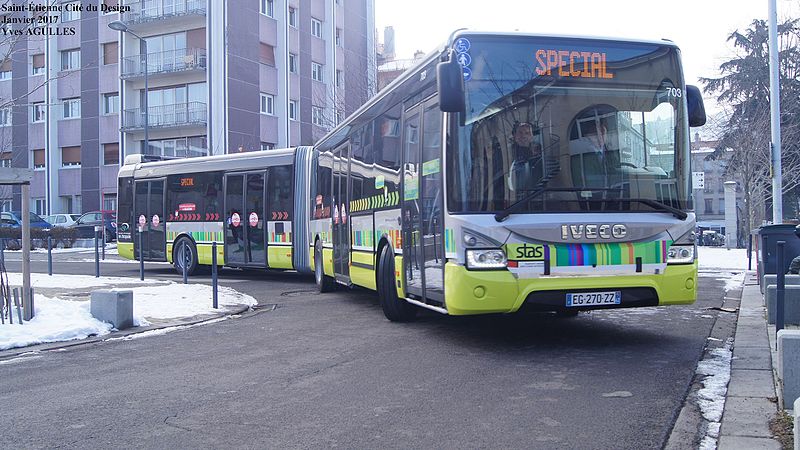

Populated Enclaves
Implementing a traffic circle enhances the safety of a four-way intersection. This technology transforms the cross-intersection into four virtual three-way intersections, demonstrably improving traffic flow and reducing collisions. Traffic calming serves as a vital road safety measure on local roads with numerous vulnerable road users, including cyclists and pedestrians. Mini-traffic circles, installed in typical neighborhood street crossings, significantly lower collision rates, distinct from traditional traffic calming measures.
Shared space schemes, characterized by eliminating conventional traffic signals and signs and removing the distinction between carriageway and footway, also gain popularity. These schemes effectively rely on human instincts and interactions, such as eye contact. Both strategies prove highly effective.
Research
Research suggests innovative network designs for planned neighborhoods, such as 3-Way Offset or the Fused Grid. These layout patterns utilize loops or dead-end streets to organize neighborhoods as zones devoid of cut-through traffic. Furthermore, they ensure bicycles and pedestrians gain a distinct advantage by creating exclusive shortcuts through path connections in parks and blocks.
The organizational principle of “Filtered Permeability” prioritizes active transportation modes. These novel patterns, encompassing optimized transit stop designs for neighborhood layouts, derive from long-term investigations of extensive regional collision data. They demonstrate that cut-through traffic and four-way intersections primarily cause collision increases.


