Bus Schedule for Bus

Bus schedule for bus information on cities and times.

Are all Electric Buses Fitted with Automatic Transmission?
Bus Schedule for Bus

Are all Electric Buses Fitted with Automatic Transmission?

As the world increasingly pivots towards sustainable transportation solutions, electric buses have emerged as a popular choice for public transit systems. Their eco-friendly credentials, cost efficiency, and potential to reduce urban congestion make them an attractive option for cities around the globe. However, a common question arises: Are all electric buses automatic? Understanding Electric Bus Types To answer this question, it’s important to first clarify what we mean by "electric buses." Electric buses typically fall into two categories: battery electric buses and fuel cell electric buses. Both types are designed to run on electricity rather than fossil fuels, but they use different methods to generate and store that energy. Most electric buses are equipped with automatic transmi...
Bus Schedule for Bus

The Environmental Impact of Buses: A Sustainable Solution

As urban populations continue to swell, the demand for efficient public transportation options has never been greater. Buses have emerged as a crucial component of public transit systems worldwide. However, their environmental impact warrants a closer examination, especially in the context of climate change and urban pollution. The Carbon Footprint of Buses Buses, particularly those that run on diesel, contribute significantly to greenhouse gas emissions. According to the U.S. Environmental Protection Agency, diesel buses produce approximately 30% more carbon dioxide per mile than their gasoline counterparts. Moreover, they emit nitrogen oxides and particulate matter, which can severely affect air quality and public health. Yet, it’s essential to place this in context. When we compare...
Bus Schedule for Bus

Improving city bus transport operations with dynamic line design

By connecting bus lines such that most run throughout the city from one outer suburb to another, stopping in the central area for no more time than is required to drop off and pick up passengers, the congestion generated by buses ending in central regions can be reduced. Every terminal will be situated outside of the main area. There will probably be more room for buses to stand for extended amounts of time, which may be required during off-peak hours, and other traffic will not be as disrupted. KEY GAINS Additional benefits of this kind of operation include the potential to increase bus usage by lowering the frequency of bus turns. For travelers whose trips need them to travel through the city center, additional links are also offered. One possible drawback is service inconsistency, whi...
Bus Schedule for Bus

Bus Stations and Terminals as essential components of transport

The starting or finishing point of a bus route is known as a bus terminal, or terminus, where buses stop, turn, or reverse, and wait before starting their return trips. Additionally, it is where people get in and out of cars. Additionally, it frequently offers a handy location from which bus schedule for bus services can be managed. A roadside bus stop with no amenities will typically be sufficient if there are few cars coming and going. Given the volume of vehicles coming and going, an off-road bus stop might be required. Terminals versus stations Although the phrases "bus terminal" and "bus station" are frequently used interchangeably, the latter is typically more accurate because, in most situations, some routes travel through the station without coming to a stop there. While a termin...
Bus Schedule for Bus

Understanding Bus Schedules: A Guide for Everyday Commuters

Navigating the intricacies of public transportation can often be a daunting task, especially when it comes to understanding bus schedules. As urban areas continue to expand and evolve, public transit remains a critical lifeline for millions, providing essential mobility for work, education, and leisure. However, misinterpreting bus schedule for bus can lead to unnecessary delays and frustration. This article aims to simplify the process and help commuters become proficient in reading and utilizing bus schedules effectively. The Basics of Bus Schedules At their core, bus schedules are designed to inform passengers about when and where buses will arrive and depart. Typically, they include information such as: Bus Route Number: Each bus route is assigned a unique number that corresponds ...
Bus Schedule for Bus

A look at the public bus market in Europe

The bus market in Europe is changing. The continent's bus fleets are growing and becoming cleaner. For many government agencies and bus companies, increasing sustainability is a major concern. While ambition is admirable, it must be accompanied by realistic expectations for capacity and fair goals. Nevertheless, the results of our 2023 Bus Fleet Survey indicate that the bus sector is moving in the right direction. KEY PROJECTS Following the groundbreaking work of the ZeEUS project and its two e-Bus reports, UITP published the Clean Bus Report in 2022 as part of the ASSURED project to give a comprehensive assessment of the development of the European bus sector. These kinds of resources are essential in an industry where data is frequently dispersed. We are also in a better position to mo...
Bus Schedule for Bus

Traffic engineering enhances bus scheduling systems of cities

Applying technology and scientific principles to the planning, functional design, operation, and management of bus schedule for bus facilities for any mode of transportation in order to ensure the safe, effective, quick, comfortable, convenient, affordable, and environmentally friendly movement of people and goods is known as transportation engineering. MULTI FACTORAL PLANNING Transportation engineering's planning components include political considerations, technological forecasting choices, and parts of urban planning. An urban transportation planning model is typically used for technical passenger travel forecasting, which necessitates the estimation of trip creation, trip distribution, mode selection, and route assignment. Other facets of traveler choices, such as car ownership, trip...
Bus Schedule for Bus

An explanation of how city bus scheduling works

Many public bus services have a bus schedule for bus that specifies when they should leave and arrive at various locations along the route. These are frequently challenging to maintain during periods of heavy traffic, malfunctions, bus accidents, road closures, or inclement weather. Timetables frequently use historical data to account for predictable effects, including morning and evening rush hour traffic. However, this eliminates the possibility of creating a "clock face" timetable, in which the timing of a bus is predictable throughout the day. REDUNDANCY The provision of "duplicate" buses, in which two or more buses run during the same time slot, can help address predictable short-term surges in passenger numbers. One way to deal with unpredictable issues that cause delays and gaps i...
Bus Schedule for Bus

How planners help bus passengers on their trips

A specialized search engine called a journey planner, trip planner, or route planner is used to determine the best way to get from one place to another, sometimes utilizing bus schedule for bus multiple modes of transportation. Different criteria, such as fastest, shortest, fewest changes, and cheapest, can be used to optimize searches. The system may be aware of both private transportation networks and public transportation services since a single trip may involve a series of different forms of transportation. Route planning, which is generally understood to involve employing private forms of transportation like walking, bicycling, or driving, can occasionally be distinguished from trip planning or journey planning. Helpful on trips In contrast, trip or journey planning would utilize at...
Bus Schedule for Bus

Free bus transportation systems in the world

Fare-free, zero-fare, or revenue-free public transportation removes passenger fares as a funding source. Instead, federal, state, or local governments levy taxes, or commercial sponsors provide funding to cover operational costs. These systems maintain full, scheduled bus services. While some regions, like Luxembourg, offer universal zero-fare transit, other systems apply the benefit only to permanent residents or specific demographics. Furthermore, transit organizations may waive fares temporarily—often during an inaugural period—to generate public interest, test new routes, or evaluate operational logistics before implementing standard fares. City Services Globally, numerous smaller communities and several mid-sized European cities have transitioned to zero-fare transit models. For ...
Bus Schedule for Bus

Warning signs within the city bus traffic system

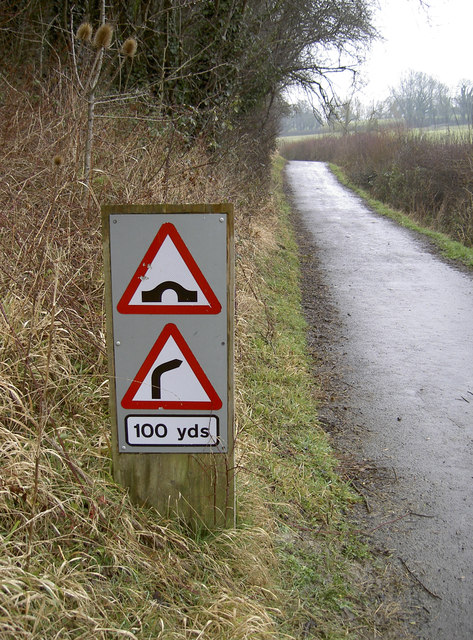
A warning sign is a kind of sign that signals a possible danger, impediment, or circumstance that needs extra care. Some are traffic signs that warn of dangers on the roadways that a driver might not immediately see such as close to a bus schedule for bus. Although the styles of warning traffic signs vary, they often have a wide red border and a white background in the shape of an equilateral triangle. Identification They have a yellow backdrop and a black border in North Korea and the People's Republic of China. Countries with red borders and amber backgrounds include Sweden, Greece, Finland, Iceland, Poland, Cuba, Nigeria, South Korea, and Vietnam. Recently, the black bear on white background on Svalbard's polar bear warning sign was replaced with a white bear on black background. For ...
Bus Schedule for Bus

How to understand urban bus transportation systems

Public transportation bus services are frequently based on the regular bus schedule for bus operation of transit buses along a route, stopping at designated bus stops in compliance with a defined public transportation timetable. Kinds of service The names of different service kinds vary depending on local customs or marketing, even though bus services may be divided into fundamental categories based on factors including route length, frequency, purpose of use, and bus type. Segmentation The most popular kind of public transportation bus is the transit bus, which is used to carry huge numbers of passengers to and from population centers in the suburbs or in urban regions. Typically, these buses travel predetermined routes in cities. The purpose of park and ride bus services is to transp...