


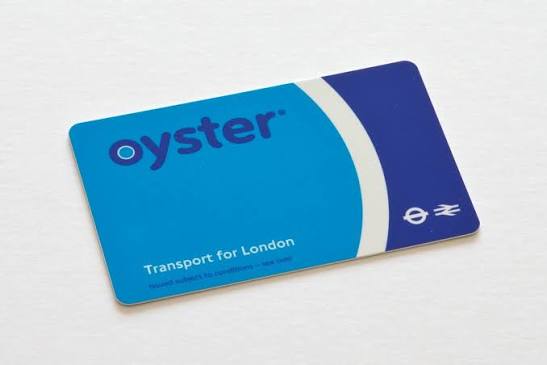
Is it cheaper to use an Oyster card or contactless?
Yes, because contactless transactions generally offer superior cost-effectiveness and convenience by eliminating the non-refundable £10.50 Oyster card purchase charge.
Navigating London’s public transportation network requires efficient fare management. Commuters frequently question whether traditional Oyster cards or modern contactless payment methods offer superior financial value.
Transport for London (TfL) introduced contactless payments to streamline the commuter experience. Daily and weekly fare capping mechanisms apply equally to both payment mediums. Consequently, standard adult fares match identically across Oyster and contactless platforms.
Financial savings rarely emerge from baseline single-journey ticket prices. Instead, subtle nuances in multi-modal travel, fee structures, and administrative overheads dictate true cost-efficiency.
Fare Comparison Overview
| Feature | Oyster Card | Contactless Payment |
|---|---|---|
| Single Fares | Standard rate | Standard rate |
| Daily Capping | Available | Available |
| Weekly Capping | Monday–Sunday only | Rolling Monday–Sunday |
| Deposit Required | £7.00 non-refundable activation fee | None |
| Auto-Top-Up | Requires registration and bank link | Direct from bank account |
Unique Insights and Research Findings
Academic research from University College London (UCL) transport economists highlights behavioral shifts among urban commuters. Consumers using contactless methods experience reduced friction, which inadvertently leads to less fare monitoring.
Government data from the Department for Transport (DfT) reveals that over 70% of pay-as-you-go journeys on the London Underground now utilize contactless bank cards or mobile devices.
Consumer reviews published by Which? magazine emphasize the hidden costs of physical Oyster cards. Users forfeit a £7 card purchase fee upfront. Furthermore, dormant Oyster cards trap millions of pounds in unrefunded deposits across UK households, according to TfL financial transparency reports.
Behavioral science publications indicate that physical cards create a psychological separation from spending. Commuters tracking monthly bank statements often analyze transit expenses more critically when using direct contactless options.
Operational Exceptions
Oyster cards retain distinct advantages for specific demographic groups. Passengers requiring young visitor discounts, student concessions, or Zip Oyster photocard privileges must use physical smartcards. Contactless bank systems cannot currently apply specialized railcard discounts or children’s tariffs automatically.
Corporate travel departments also favor managed Oyster accounts for centralized expense reporting.
Commuters frequently ask specific logistical questions regarding these payment methods.
Frequently Asked Questions
Do I pay more for using contactless instead of an Oyster card? Standard adult single fares and daily caps cost the exact same amount on both payment methods.
Can I get a weekly travelcard on a contactless bank card? Contactless systems rely on automated Monday-to-Sunday capping rather than traditional seven-day season tickets. Traditional Oyster cards still permit legacy weekly travelcard product loads.
What happens if my contactless card fails at the ticket barrier? Station staff direct passengers to use alternative payment devices or complete a journey history check online via the official Transport for London portal to resolve incomplete touch-in/touch-out records.
Frequent London travelers generally achieve greater financial efficiency through contactless methods. Eliminating card purchase fees and avoiding residual balances left on unused smartcards preserves personal capital. Regular passengers should evaluate individual concession needs before abandoning traditional smartcards entirely.


