Artificial intelligence in transportation

Authentic source for articles on Artificial Intelligence in transportation

How does artificial intelligence improve road safety?
Artificial intelligence in transportation

How does artificial intelligence improve road safety?

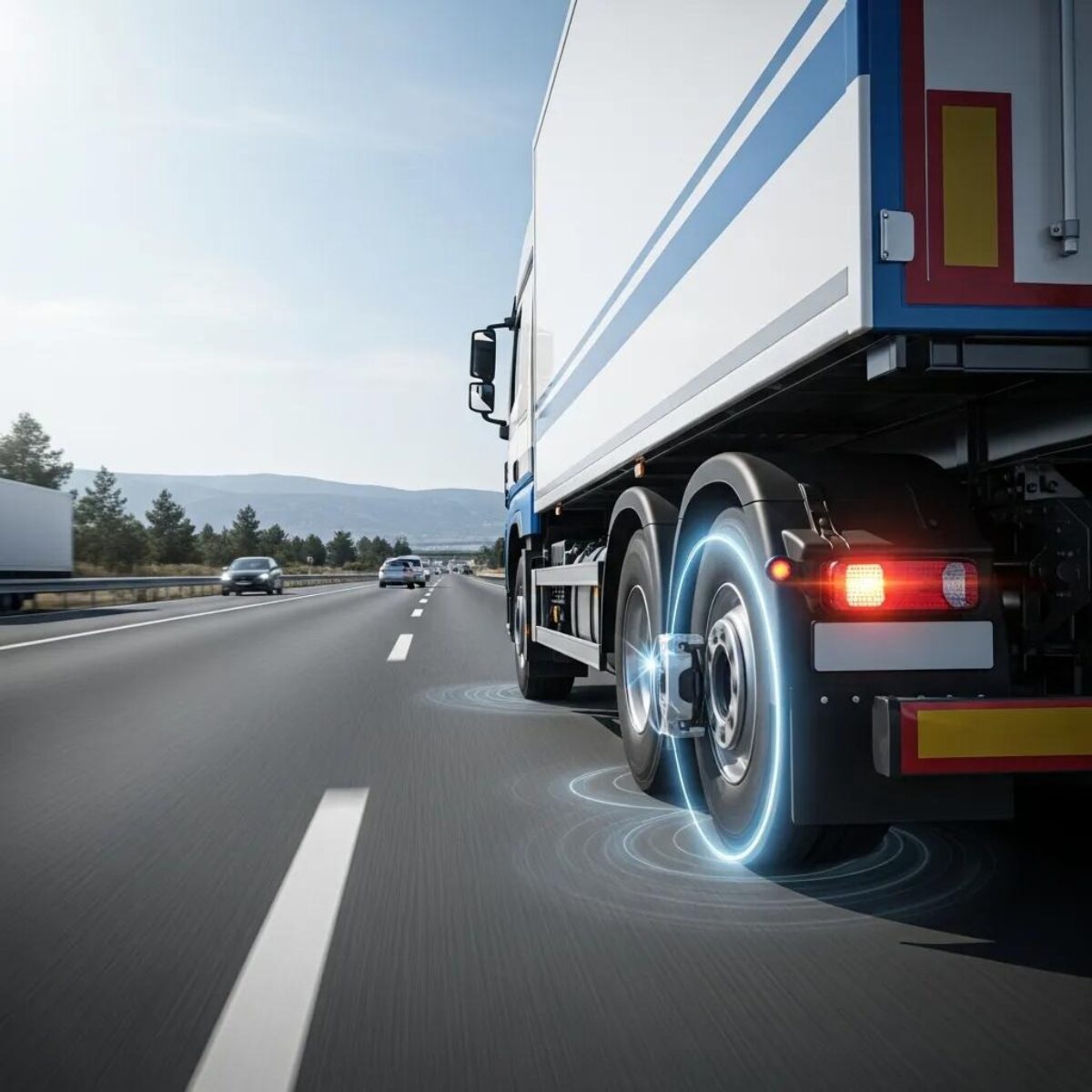
By integrating sophisticated machine learning algorithms with high-performance sensor suites, AI transforms vehicles from passive machines into intelligent partners that constantly monitor the environment. This article explores how AI technologies actively reduce human error, optimize traffic flow, and create a safer transportation ecosystem for everyone. The Core of AI Safety: Advanced Driver Assistance Systems (ADAS) Modern automobiles incorporate AI-based Advanced Driver Assistance Systems (ADAS) to operate as a digital co-pilot. These systems swiftly process substantial data streams from cameras, LiDAR (Light Detection and Ranging), and ultrasonic sensors in milliseconds, far exceeding the processing speed of human neural pathways. Predictive Collision Avoidance If the software det...
Artificial intelligence in transportation

Which transportation workers will be most impacted by AI?

Artificial Intelligence (AI) is rapidly transforming the global transportation landscape. While innovation promises increased efficiency and improved safety, it also raises critical questions regarding the future of the workforce. As automation technologies mature, certain roles face significant shifts in their day-to-day operations. Here are AI Roles that are Most Susceptible to Automation Industry analysts identify several key transportation sectors where AI integration will trigger the most profound changes: Long-Haul Trucking: Autonomous trucking technology currently aims to streamline interstate freight logistics. While human drivers remain essential for complex urban navigation, AI handles long-distance highway driving, effectively altering the traditional trucking business mo...
Artificial intelligence in transportation

What is the role of Artificial intelligence in transportation safety?

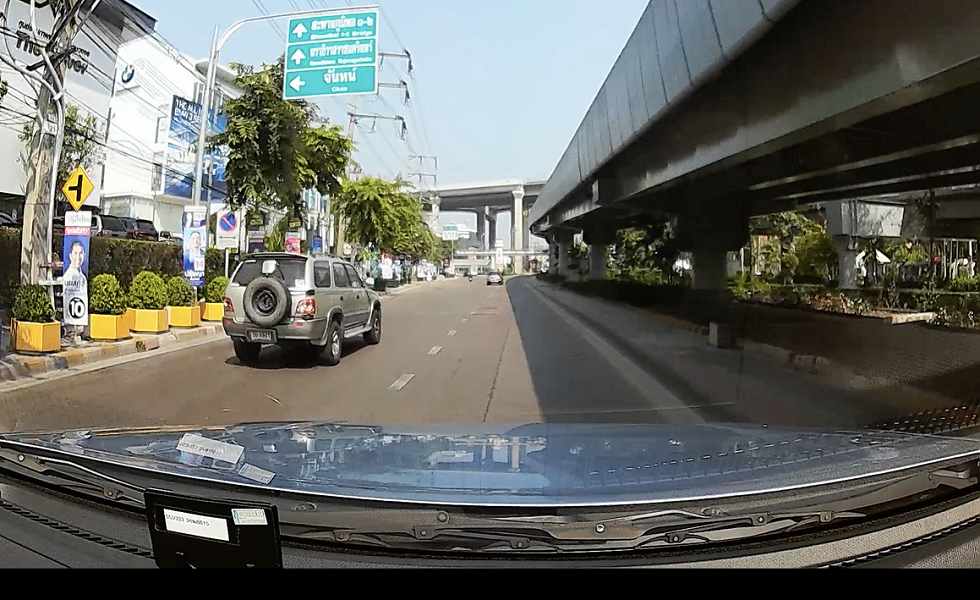
The global transportation sector stands at the threshold of a technological transformation. As traffic congestion increases and the frequency of roadway incidents remains a critical concern, stakeholders look toward Artificial Intelligence (AI) to provide smarter, safer solutions. By integrating advanced algorithms and real-time data analytics, AI improves safety across aviation, maritime, rail, and automotive industries, effectively saving lives and reducing human error. Eliminating Human Error Human error accounts for over 90% of traffic accidents. Distraction, fatigue, and delayed reaction times often lead to preventable tragedies. Artificial Intelligence serves as an ever-vigilant partner to the operator. Advanced Driver Assistance Systems (ADAS) utilize computer vision, LiDAR, and r...
Artificial intelligence in transportation

Read about artificial Intelligence and transportation impact factor

Artificial Intelligence (AI) serves as the primary engine driving the next industrial revolution in transportation. By integrating machine learning algorithms, predictive analytics, and computer vision into transit infrastructure, industry leaders now redefine how people and goods move across the globe. Optimizing Transit Efficiency AI-powered systems process vast datasets in real-time to streamline transit operations. Intelligent Traffic Management Systems (ITMS) monitor vehicle flow, adjust traffic signal timings, and reduce congestion in dense urban environments. These advancements decrease commute times, lower fuel consumption, and minimize the carbon footprint of daily logistics. Companies that leverage these technologies achieve higher operational efficiency and significantly lower...